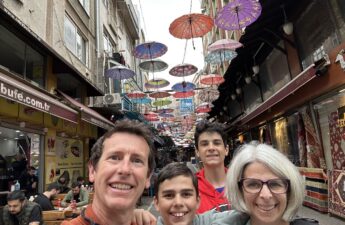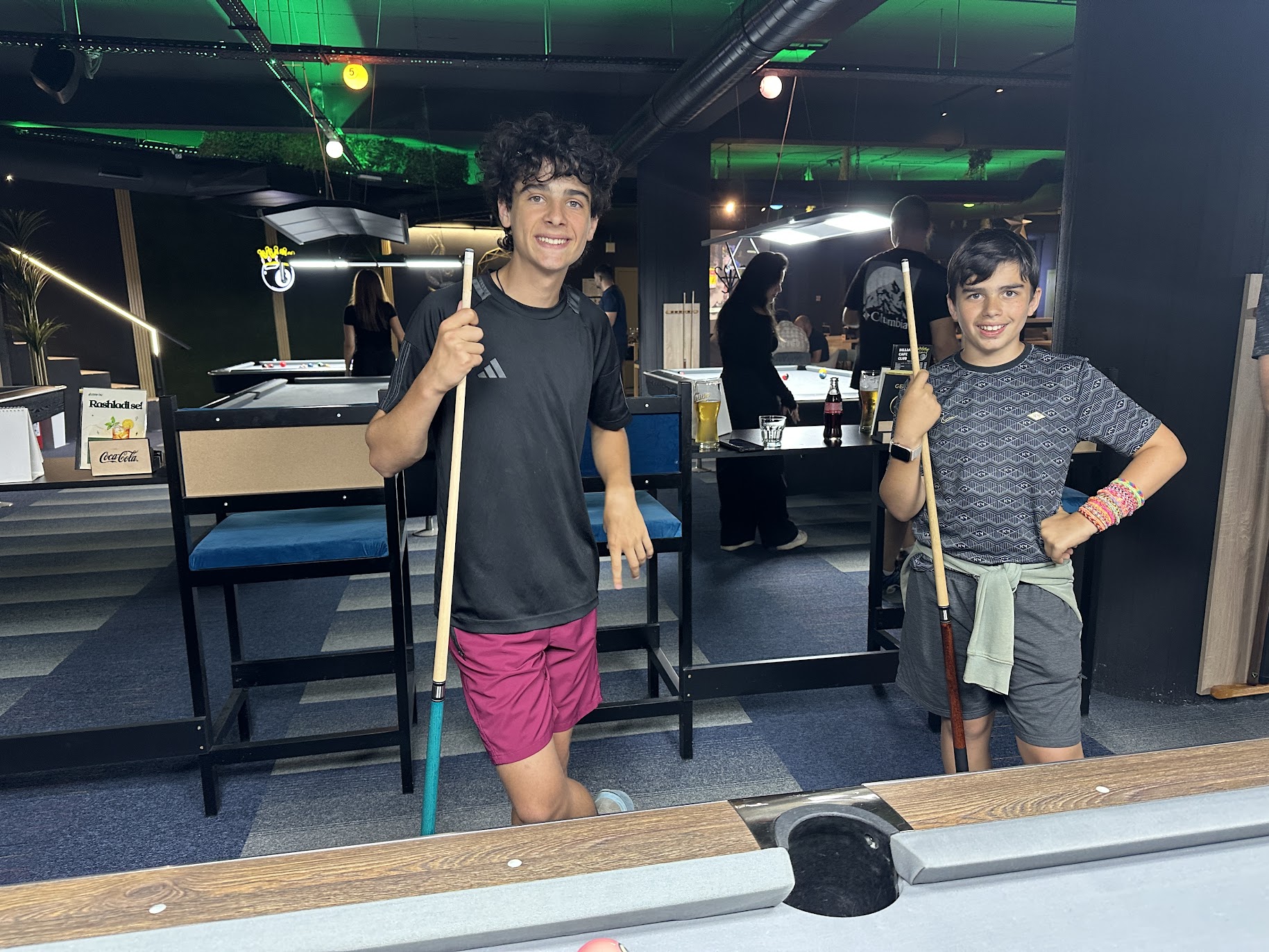
We are worldschooling, and some of the questions we get most often are: “What grade are your kids in?” or “What are they learning in school right now?”
It’s usually asked with good intent, but it always makes me pause a little — not because it’s offensive, but because it assumes a framework we don’t really live inside anymore. Our kids aren’t organized by grade levels. Not because we’re avoiding structure, but because we’ve chosen a different one.
So if the question is really, “Are they learning?” the answer is simple. Yes.
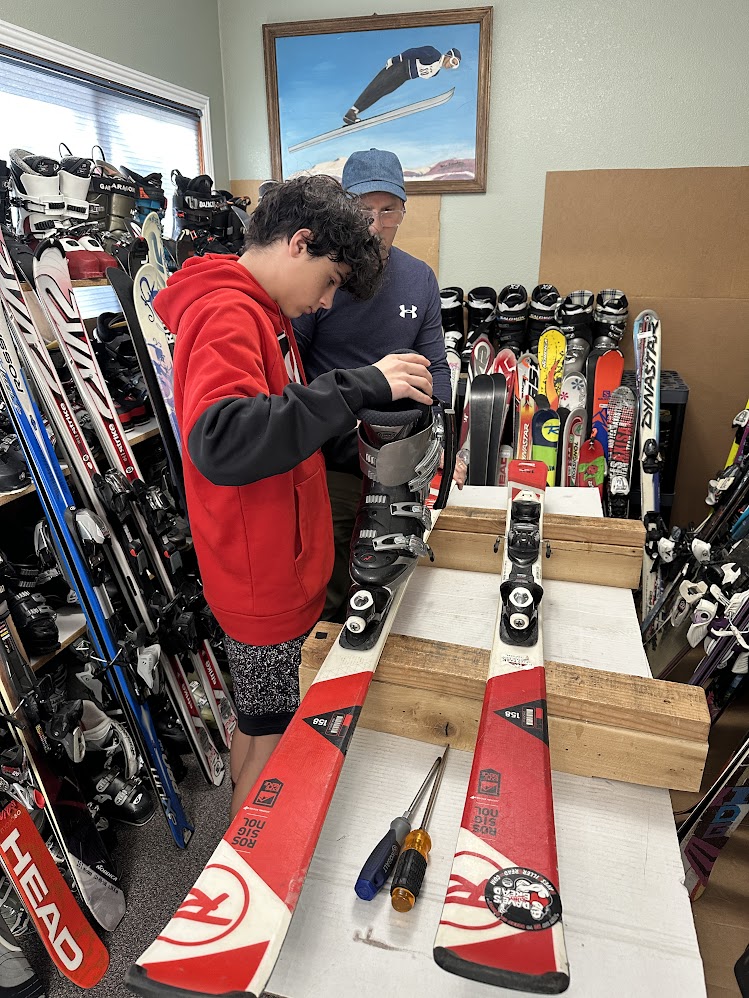
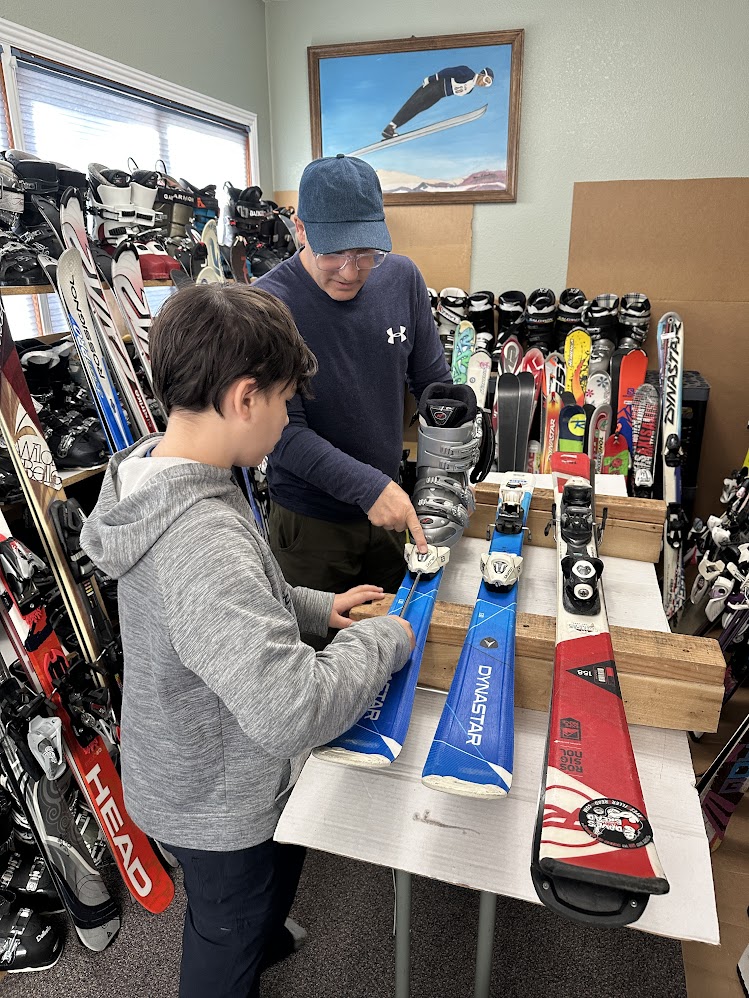

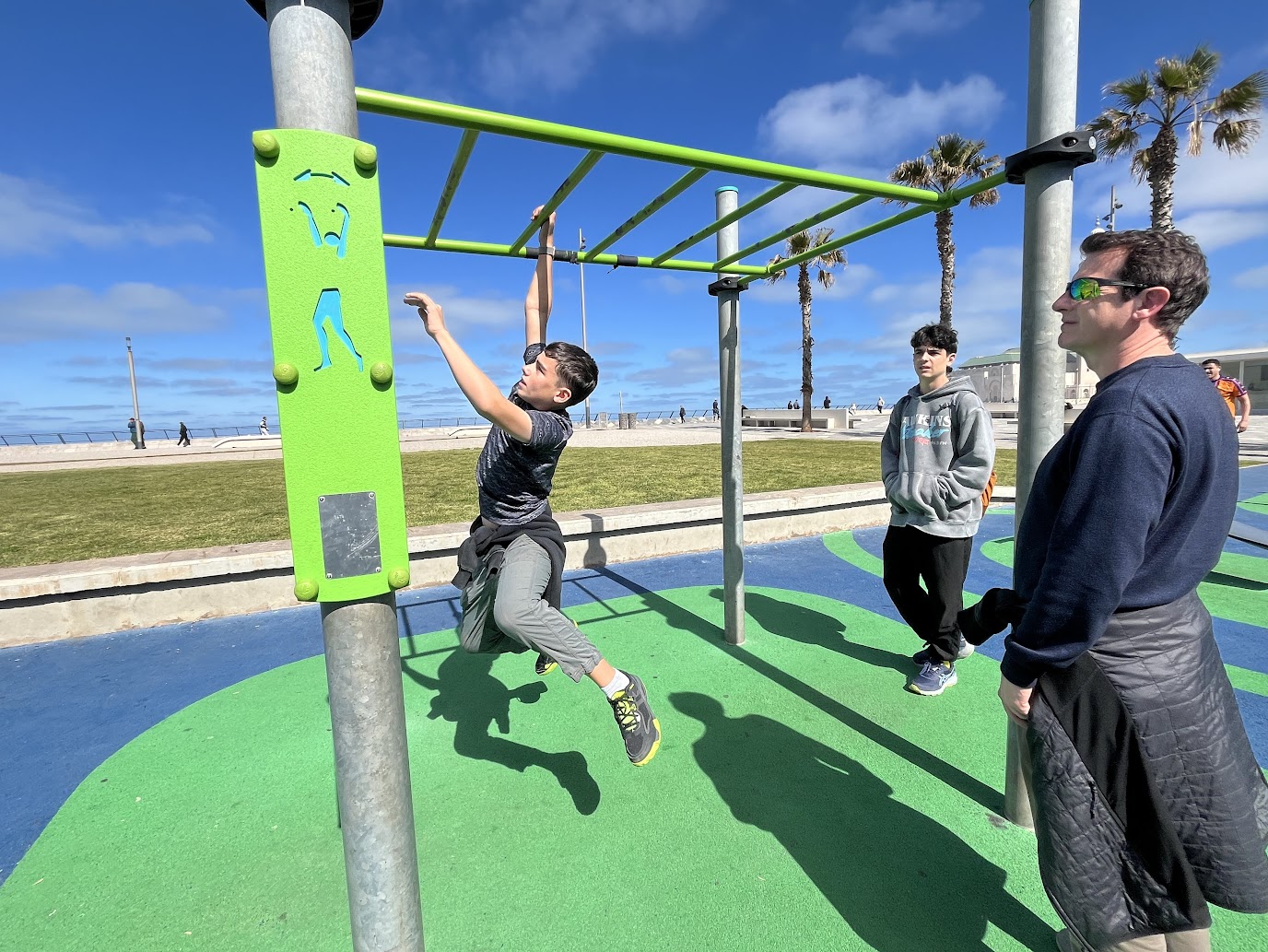
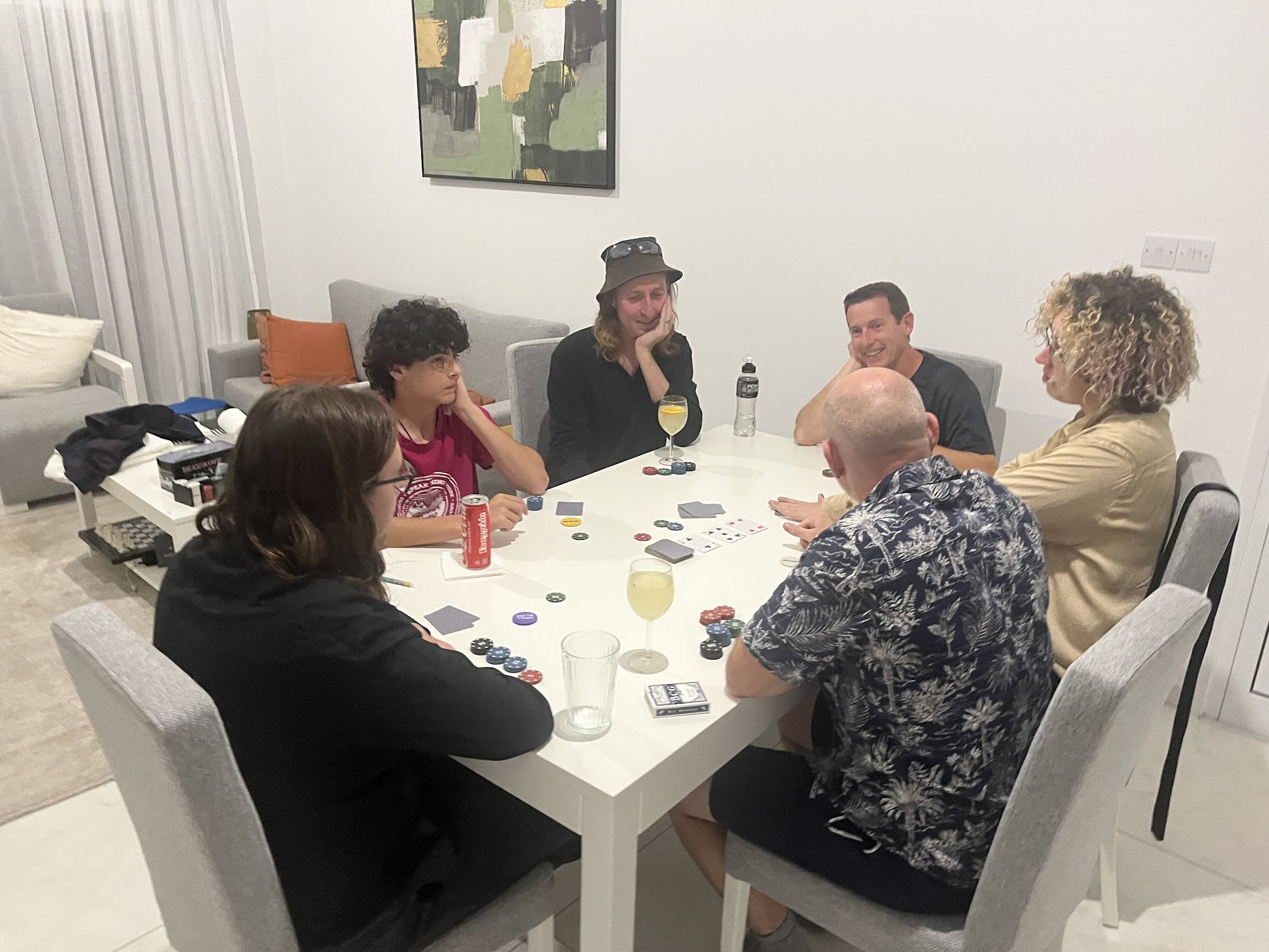
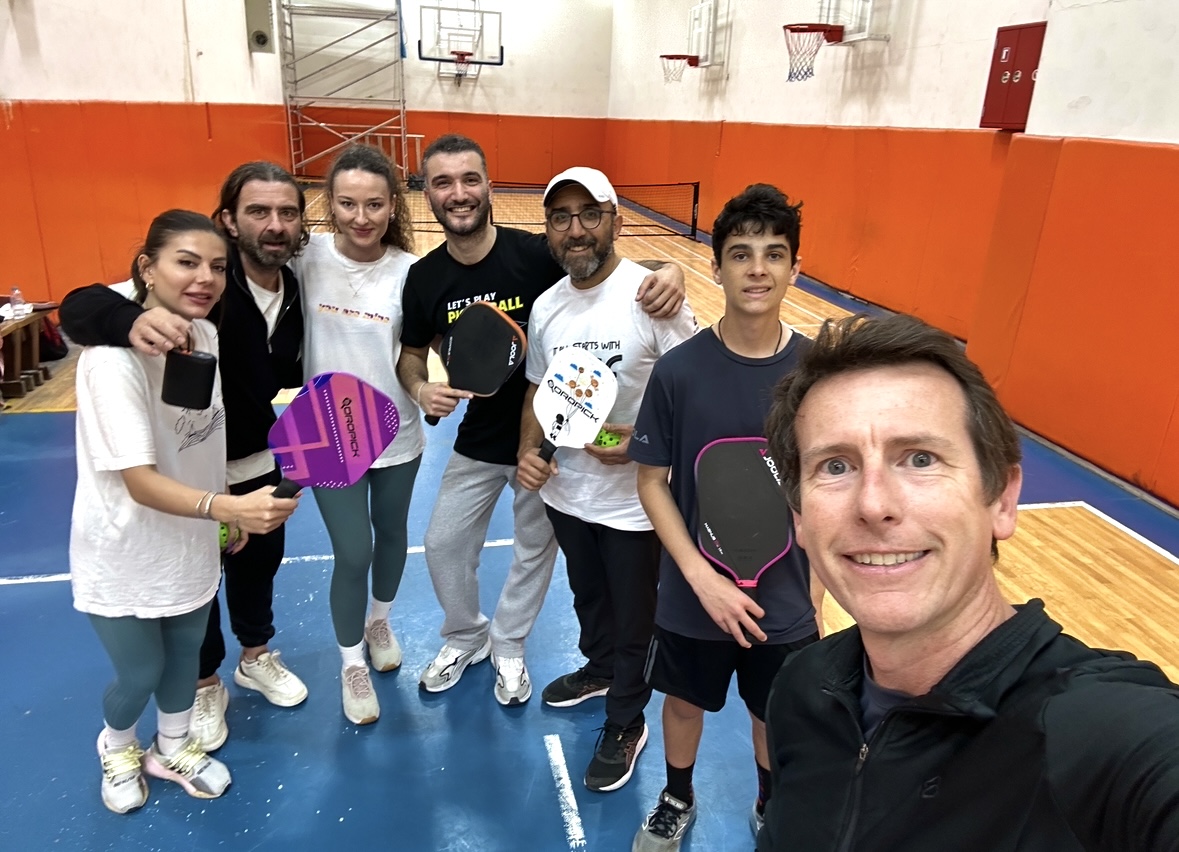
They can read and write confidently. They can work through math, including algebra and geometry concepts. They can calculate in real time while traveling, convert currencies, and handle numbers in practical, everyday ways that make sense in the world they’re actually living in. We also focus a lot on personal finance — budgeting, saving, understanding value, opportunity cost, and how money moves. Not as abstract theory, but as something they’ll actually use when they’re independent. And importantly, we’re also setting them up so that if they want to go to university in the U.S., they absolutely can. Lucas already has 9 college credits, and he is only 15. We are not closing doors. We are just building a different path toward them.
If they decide they want to take calculus, they can. And we fully expect they’ll do well in it, not because they’ve been pushed through a rigid sequence, but because they’ve learned how to learn. That skill changes everything. A lot of what we focus on is exactly that: learning how to learn. Once a child has that, they can pick up anything.
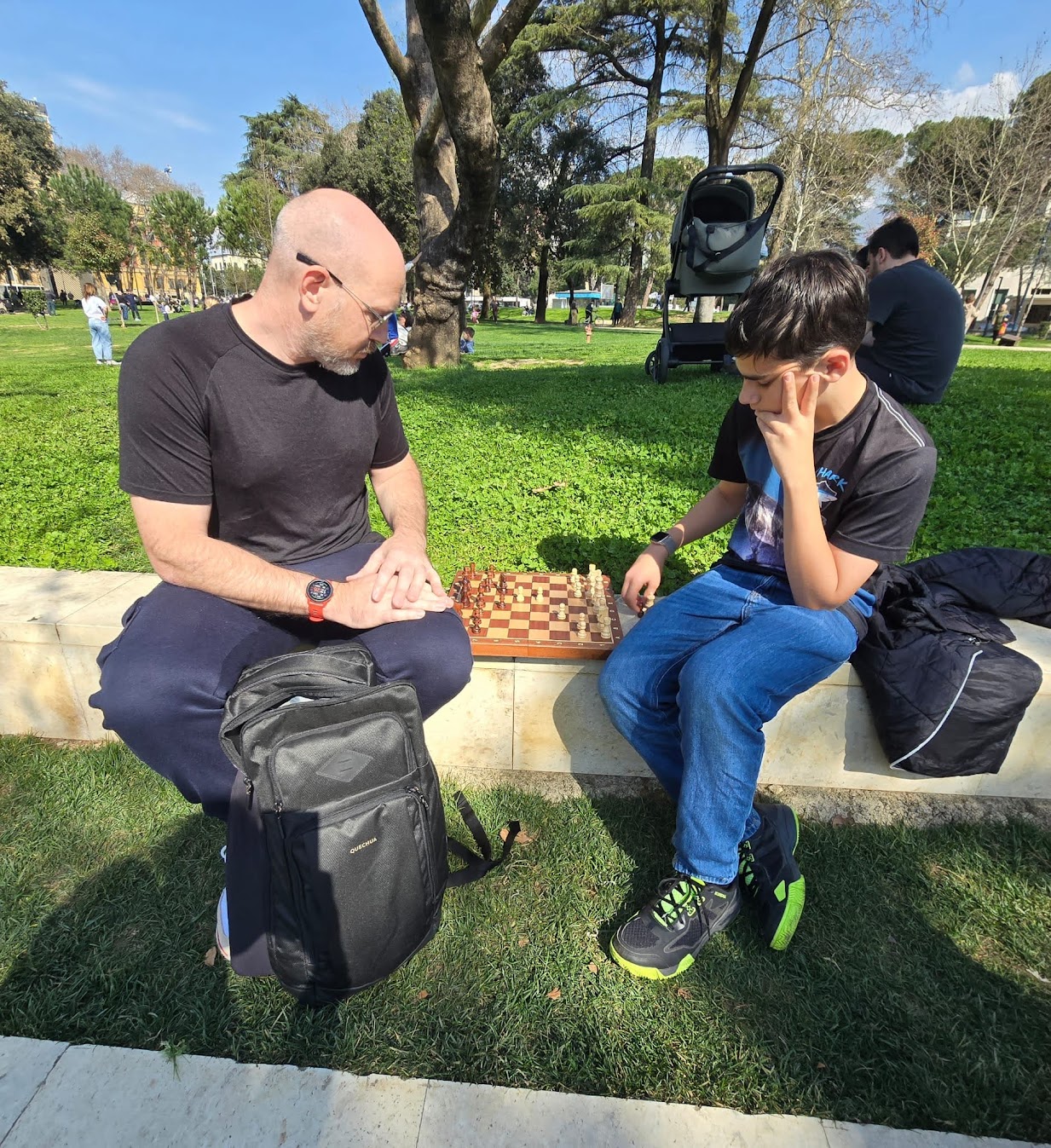
Henry, for example, is currently obsessed with chess. And chess is one of those quietly powerful teachers. It builds patience, strategy, forward thinking, emotional regulation, and the ability to sit with consequences. It teaches you to think several steps ahead and to adapt when the board changes — which it always does.
Both of the boys still play Minecraft, which people sometimes underestimate, but we see something different happening there. They’re building systems, managing resources, running small economies inside the game, and constantly making decisions about input versus output, cost versus reward. They experiment, fail, adjust, and try again. It’s entrepreneurship thinking disguised as play.
They’re also learning how to use AI in a very hands-on way — not just consuming it, but collaborating with it. They use it to help structure ideas, improve writing, ask better questions, and refine thinking. That’s a skill set that feels increasingly essential for where the world is heading.
When people ask what they’re missing by not being in traditional school, it’s usually framed around academics. But for us, the bigger tradeoff conversation includes other things too: time, flexibility, depth of curiosity, and real-world exposure. We also recognize that traditional schooling offers things like structure, routine, and a shared educational baseline. At the same time, it often moves at a fixed pace and can struggle to keep up with rapidly changing tools and technologies. And depending on where you live, it can also come with pressures we’re grateful not to have in our daily lives.
But this isn’t about comparing systems to declare a winner. It’s about choosing what fits our family.
Our kids are constantly learning — through travel, conversation, games, projects, and curiosity. And more importantly, they genuinely enjoy learning. There’s no separation between “school” and “life,” because everything is part of the same experience.
So when people ask, “What grade are they in?” The honest answer is: that’s not really the framework we use anymore. They’re just learning. And we’re building a life that keeps that going — with as many doors open as possible, not fewer.
What are you learning today?