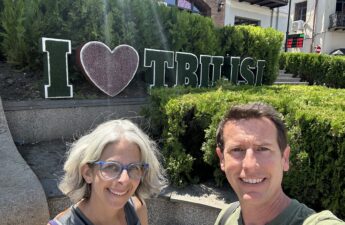
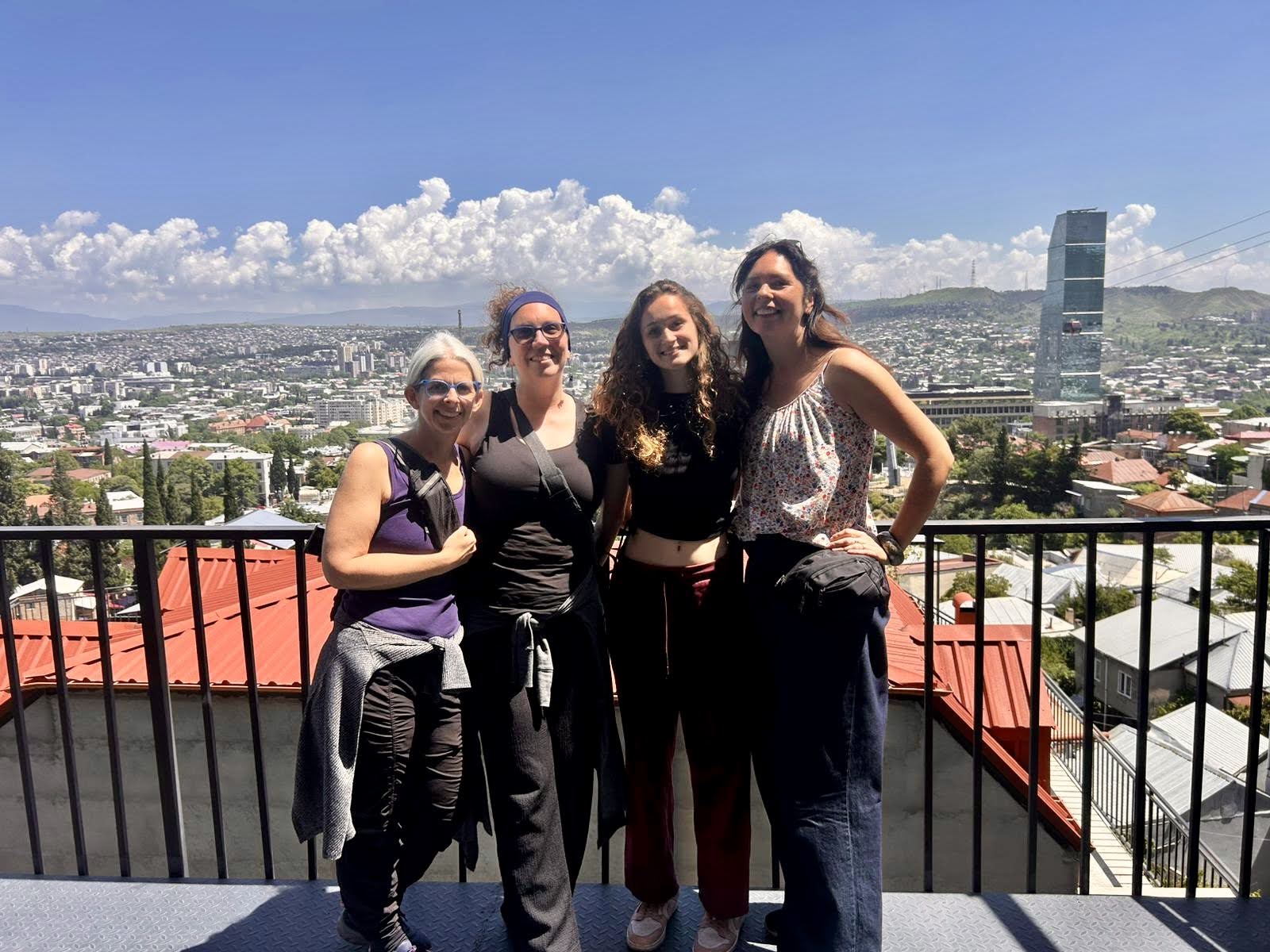
One of the best surprises of our time in Georgia happened this week when Vicki’s niece Chloe and her boyfriend Rovuan showed up in Tbilisi. The last time we saw them was a year and a half ago while traveling through Southeast Asia, so having them join us in Georgia for a few weeks feels like such a gift. The kids were thrilled, and we’re excited to share part of our Georgian adventure with them.
To celebrate their arrival, we booked a full-day tour with Teona, a guide Renee found on Instagram. She turned out to be fantastic—knowledgeable, warm, and passionate about her country. Better yet, many of the places we visited were in her home region, giving us a local perspective we never would have gotten on our own.
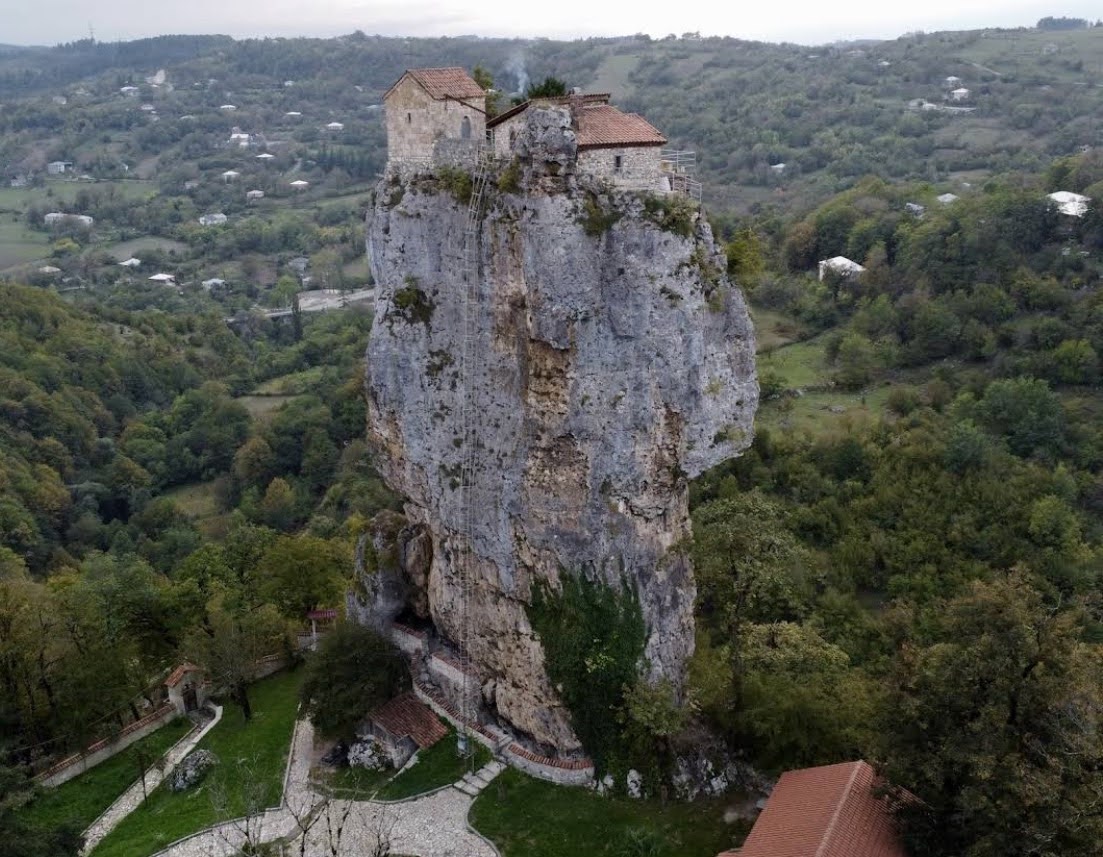
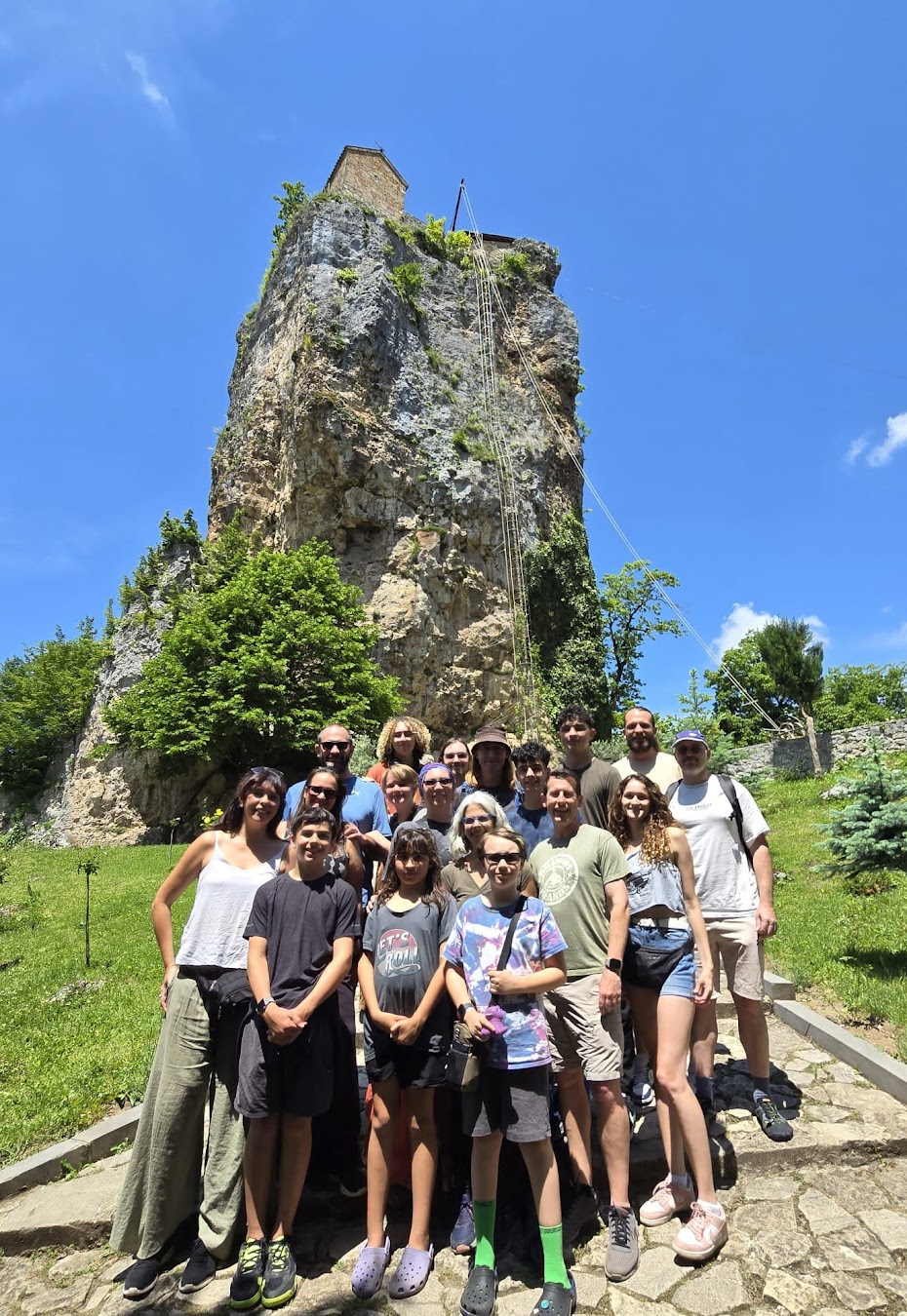
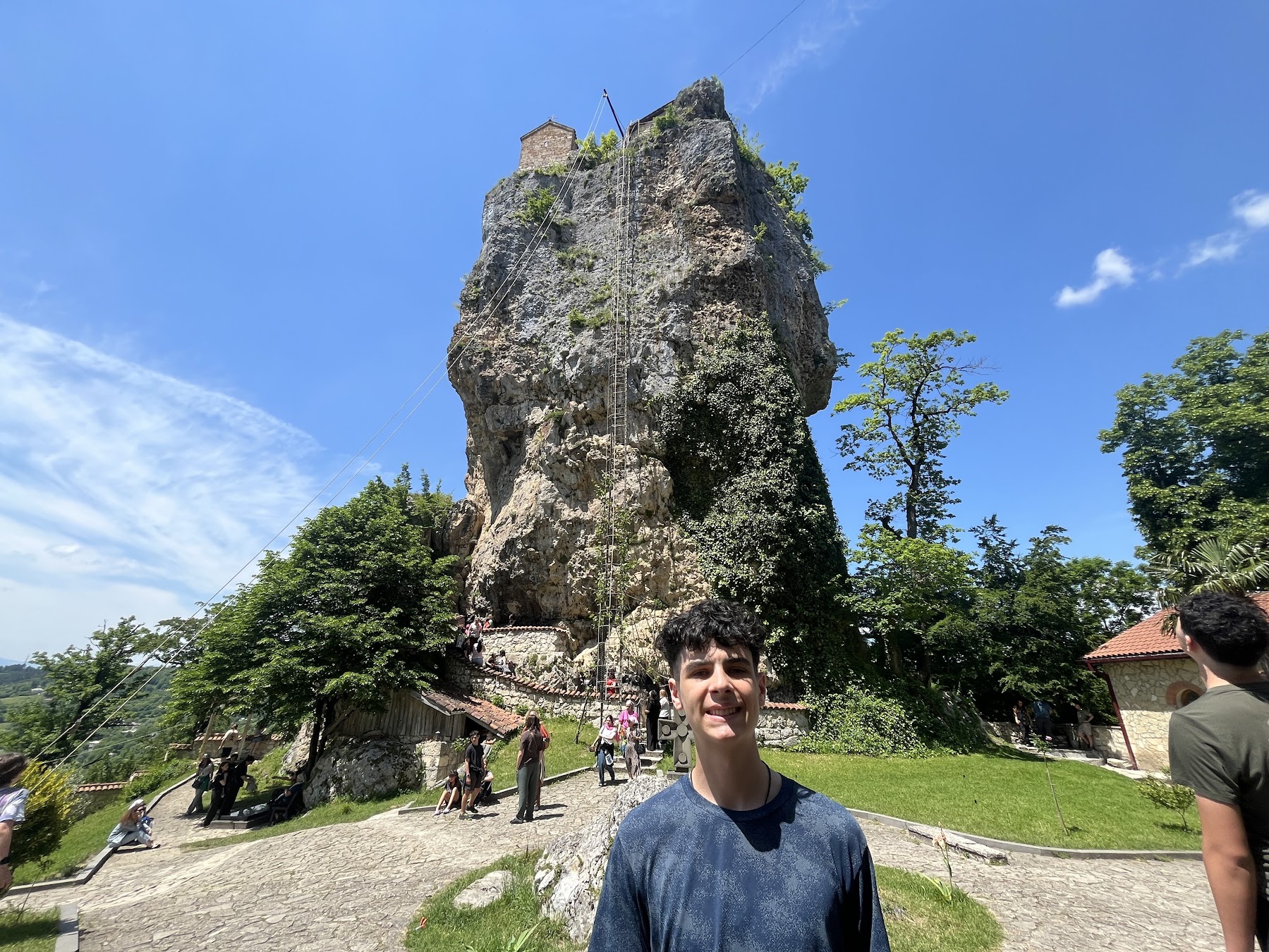
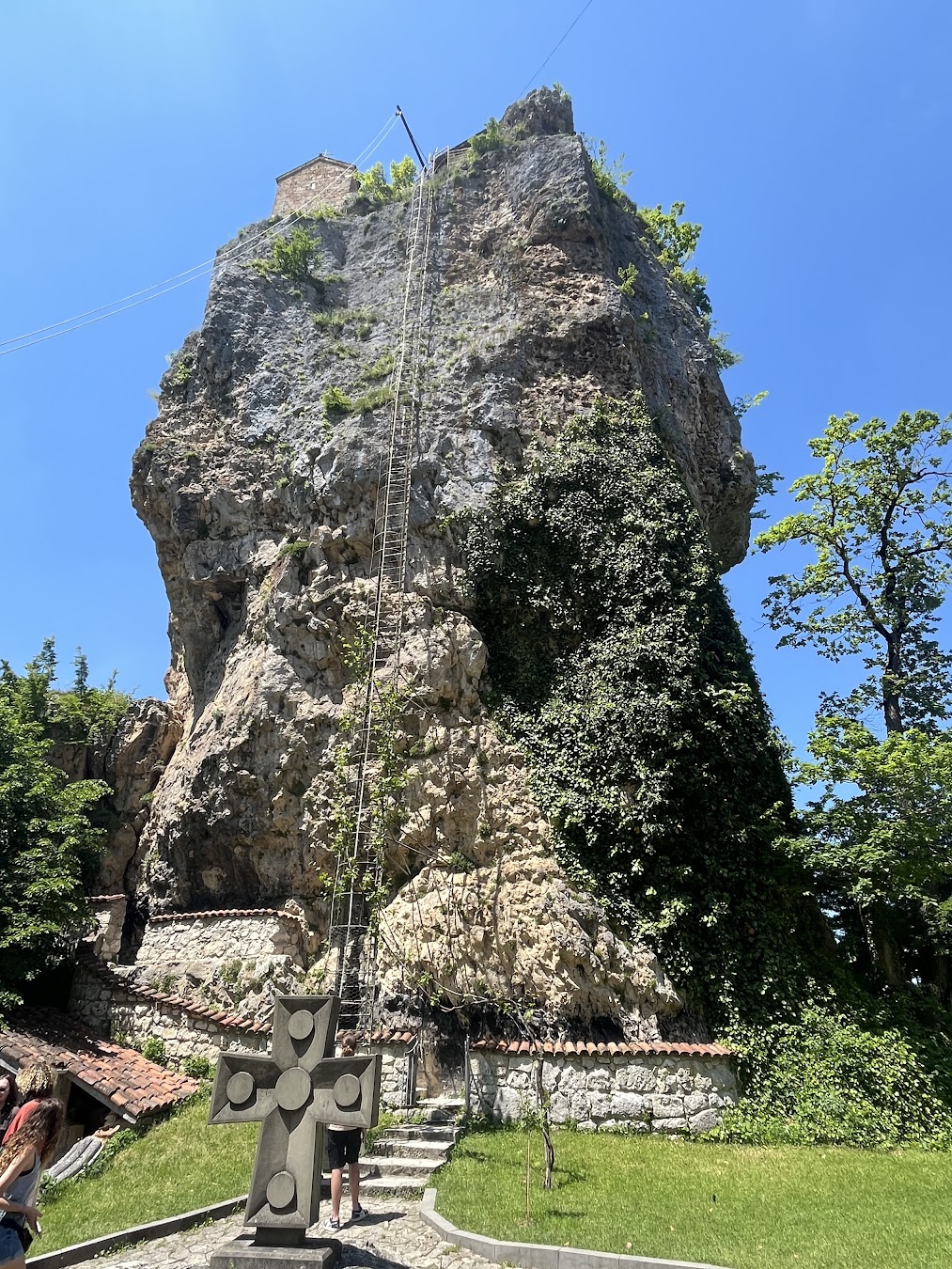
Our first stop was Katskhi Pillar, one of the most unique sights in Georgia. Rising nearly 130 feet above the valley floor, this towering limestone monolith is topped by a tiny monastery. For centuries, it has been a place of solitude and prayer. Looking up at the church balanced on top of the rock almost doesn’t seem real. It’s one of those places that makes you wonder how anyone ever thought to build there in the first place.
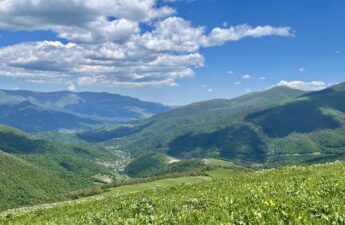
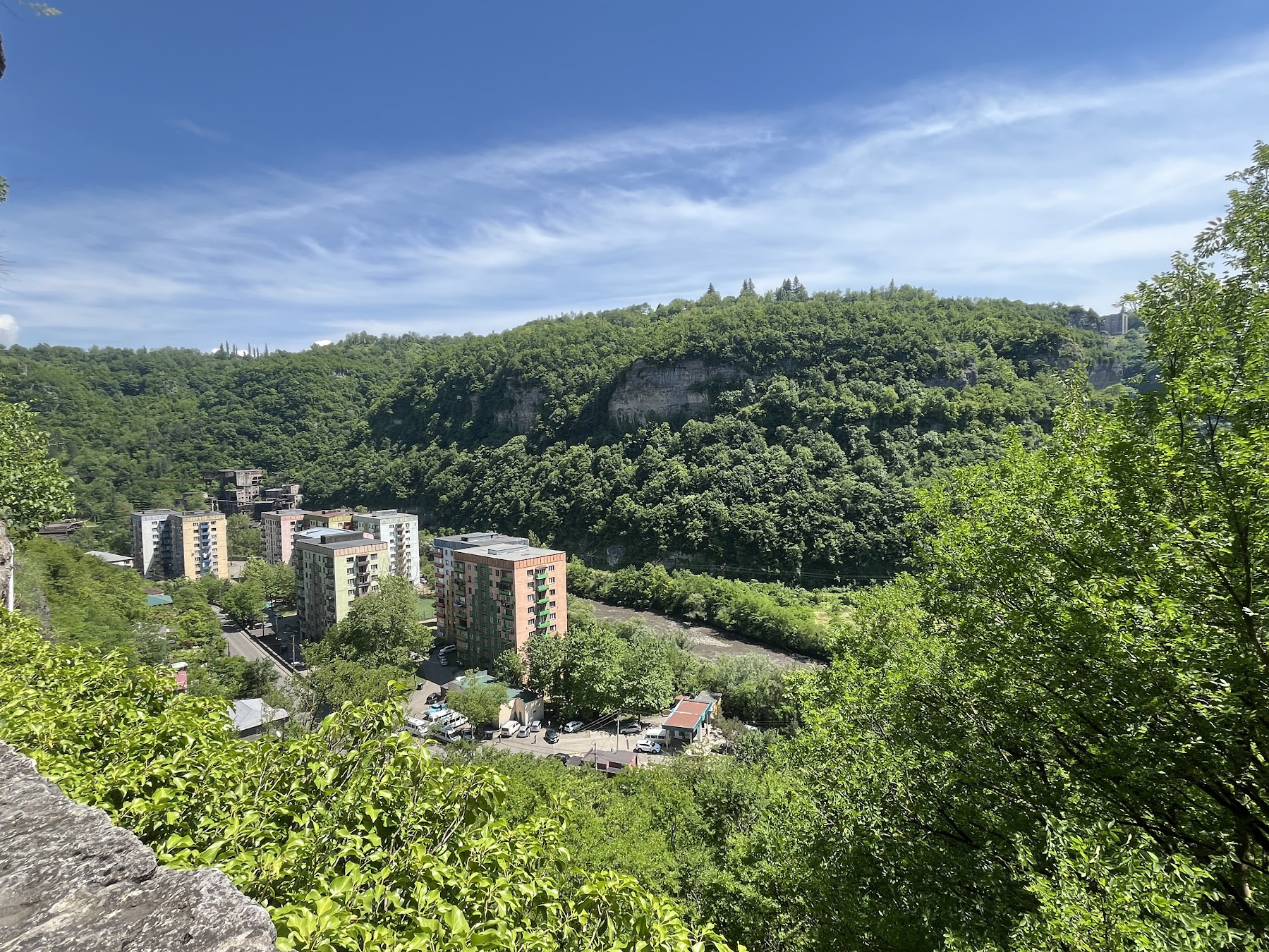
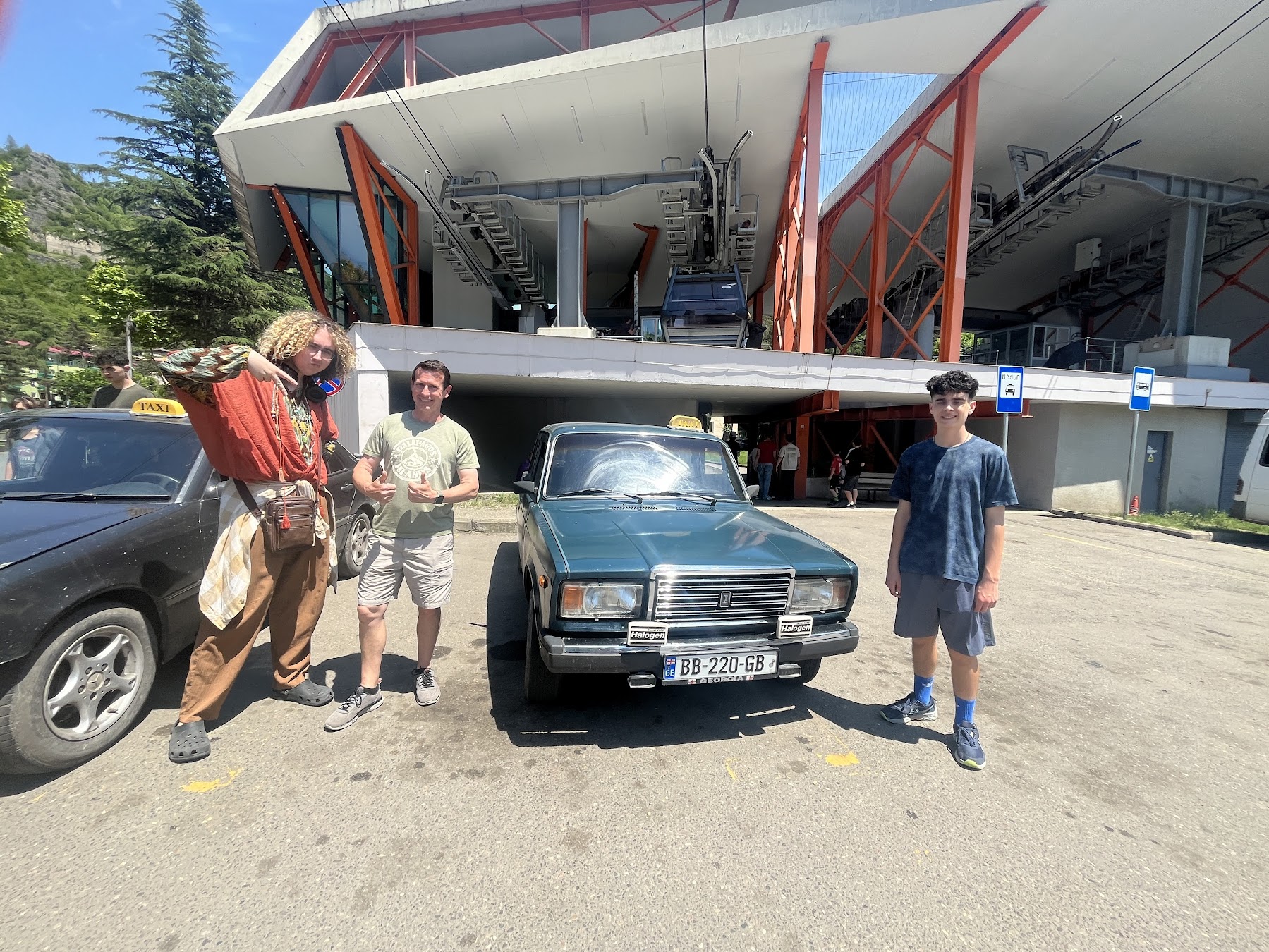
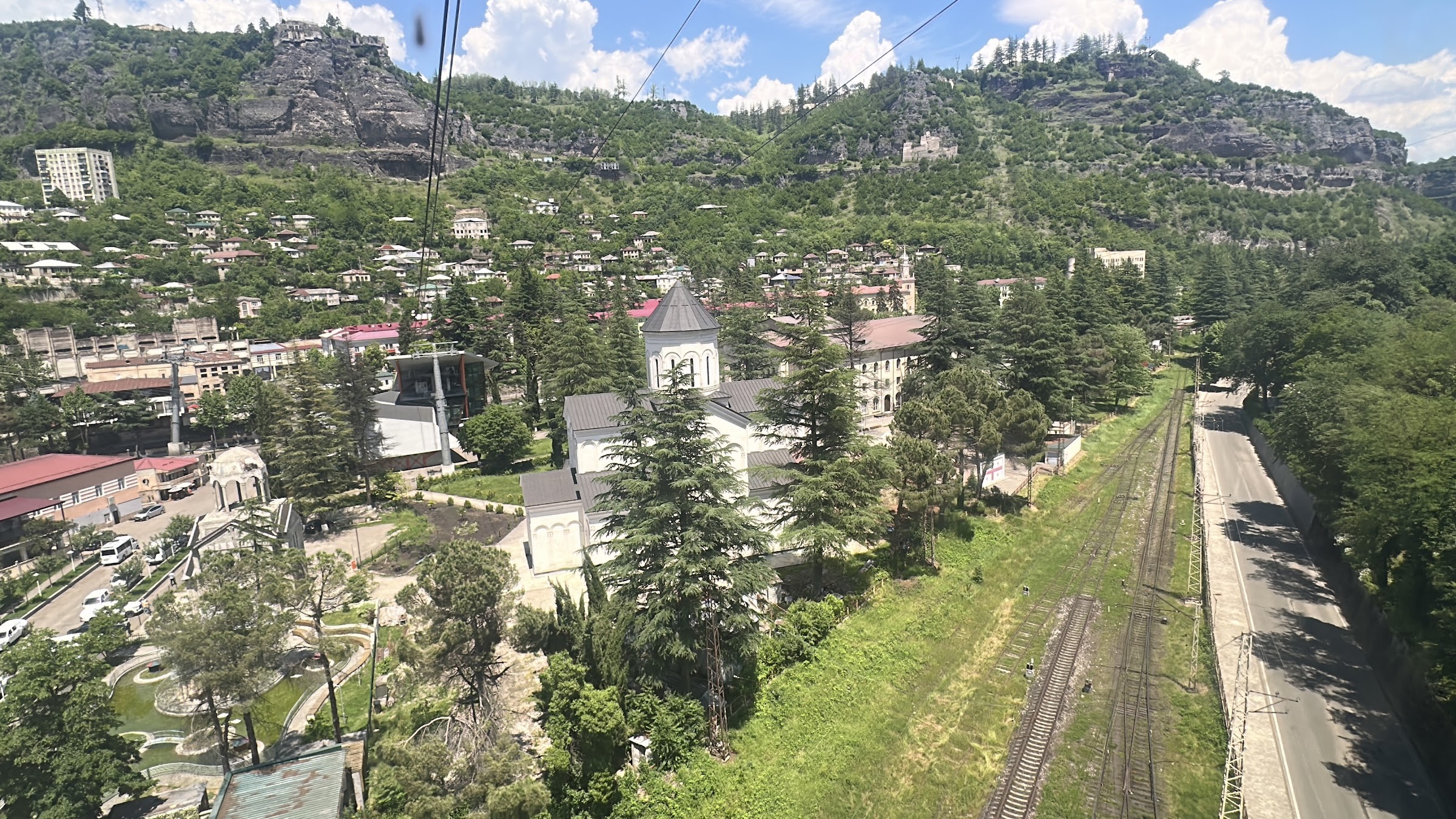
Our second stop was Chiatura, a fascinating former Soviet mining town tucked into a steep river valley. The town is famous for its network of cable cars, originally built during the Soviet era to transport workers between the mines and neighborhoods perched on the surrounding cliffs. Chiatura’s economy has long revolved around manganese mining, and the industrial atmosphere is impossible to miss.
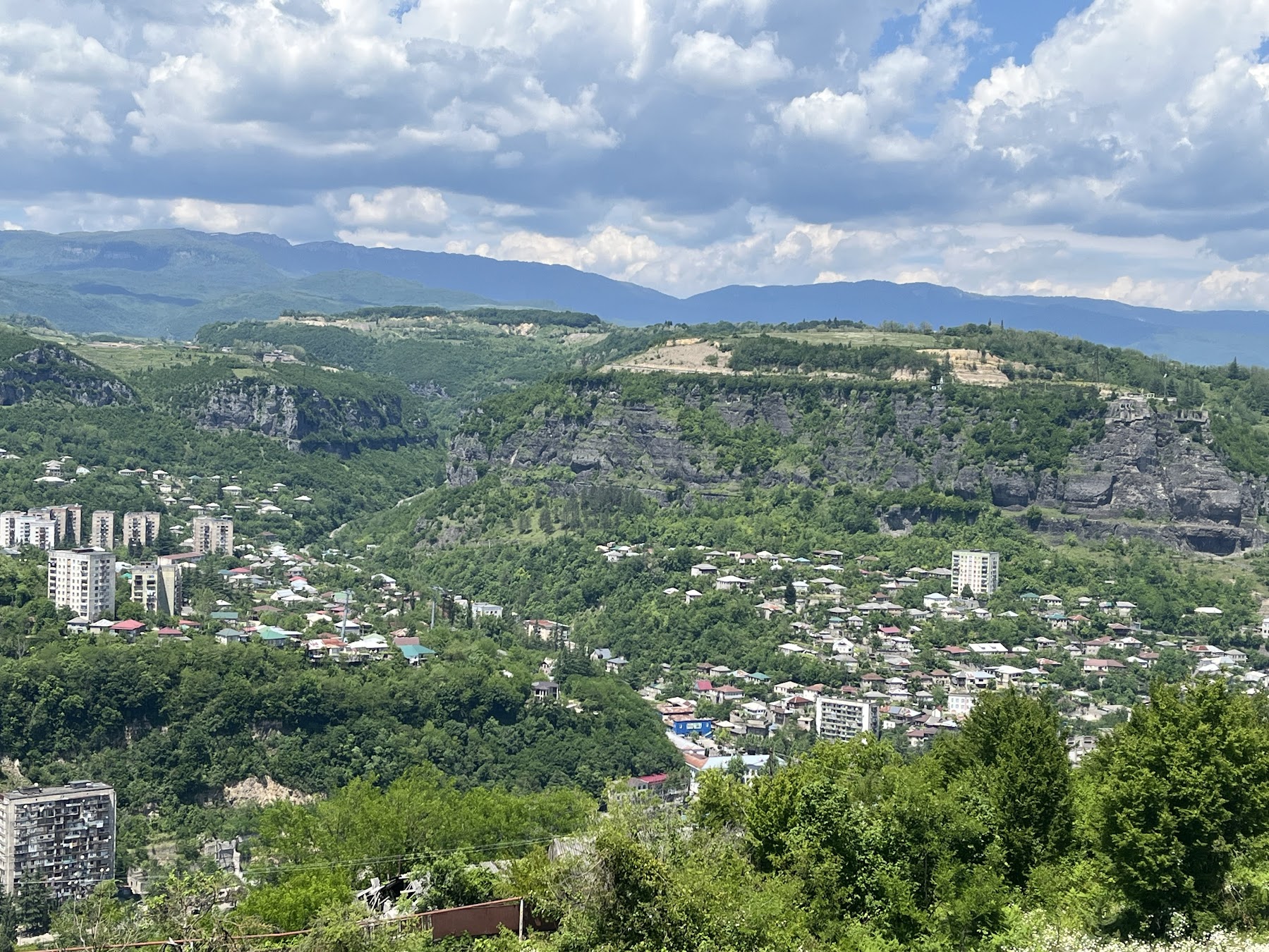
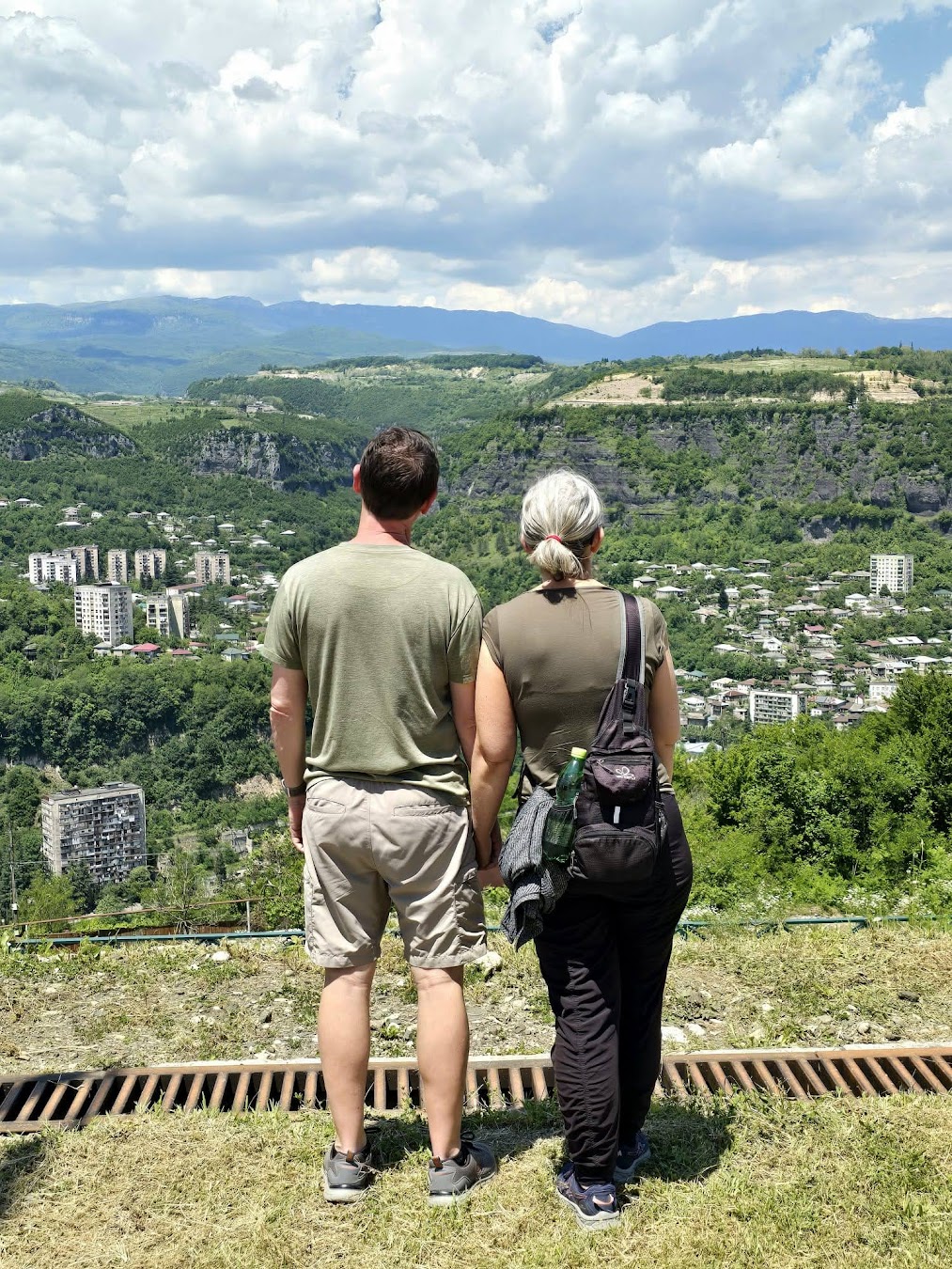
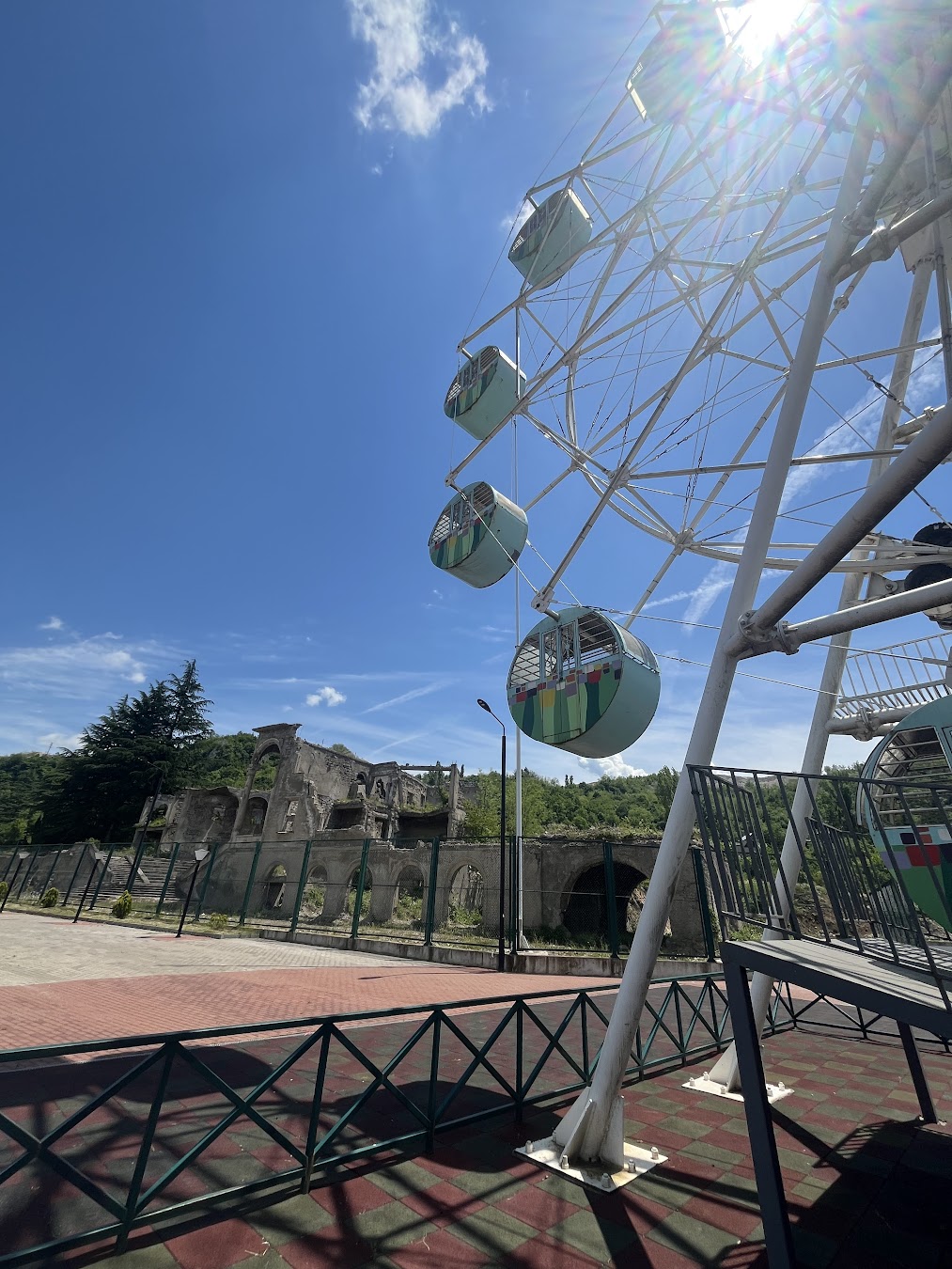
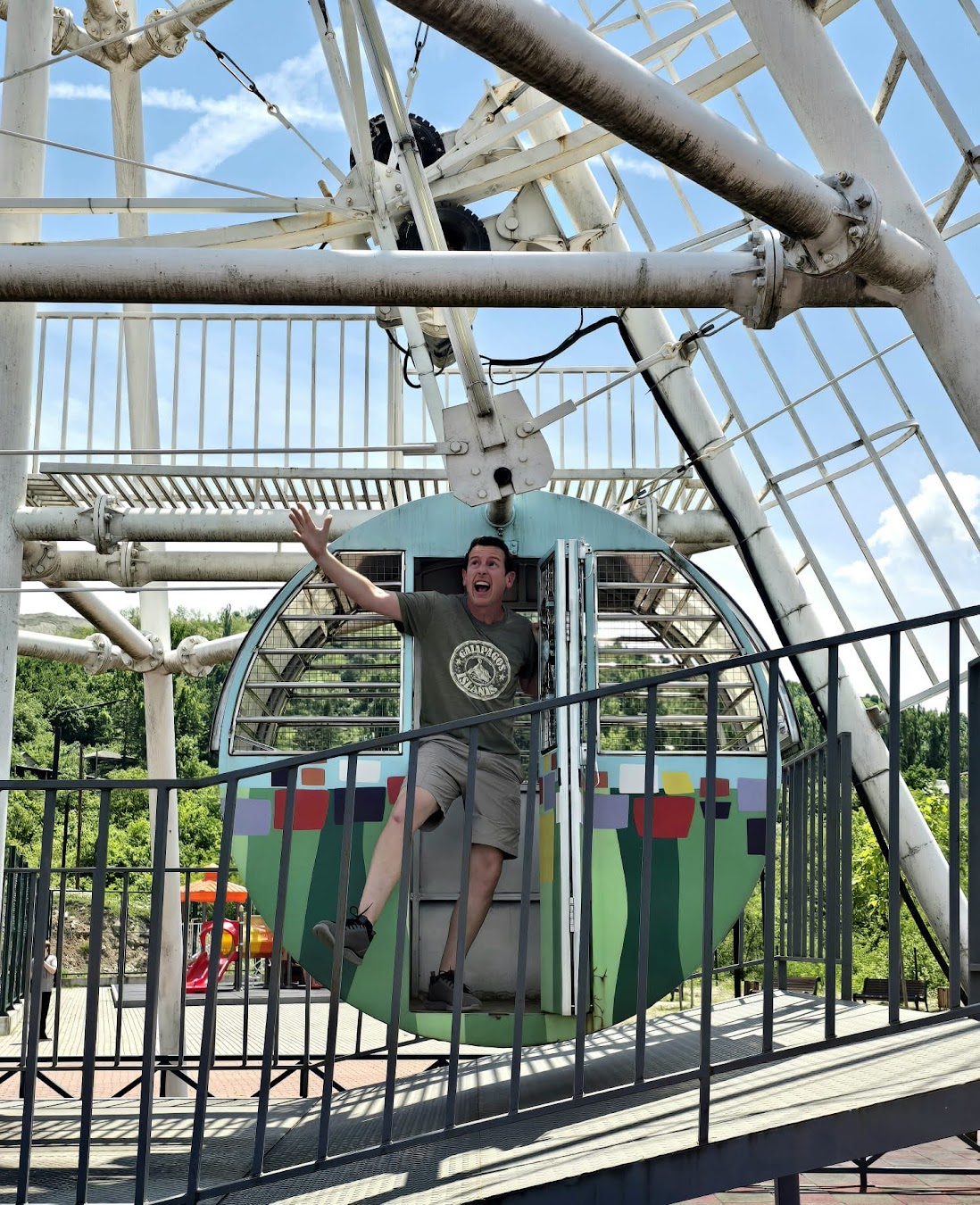
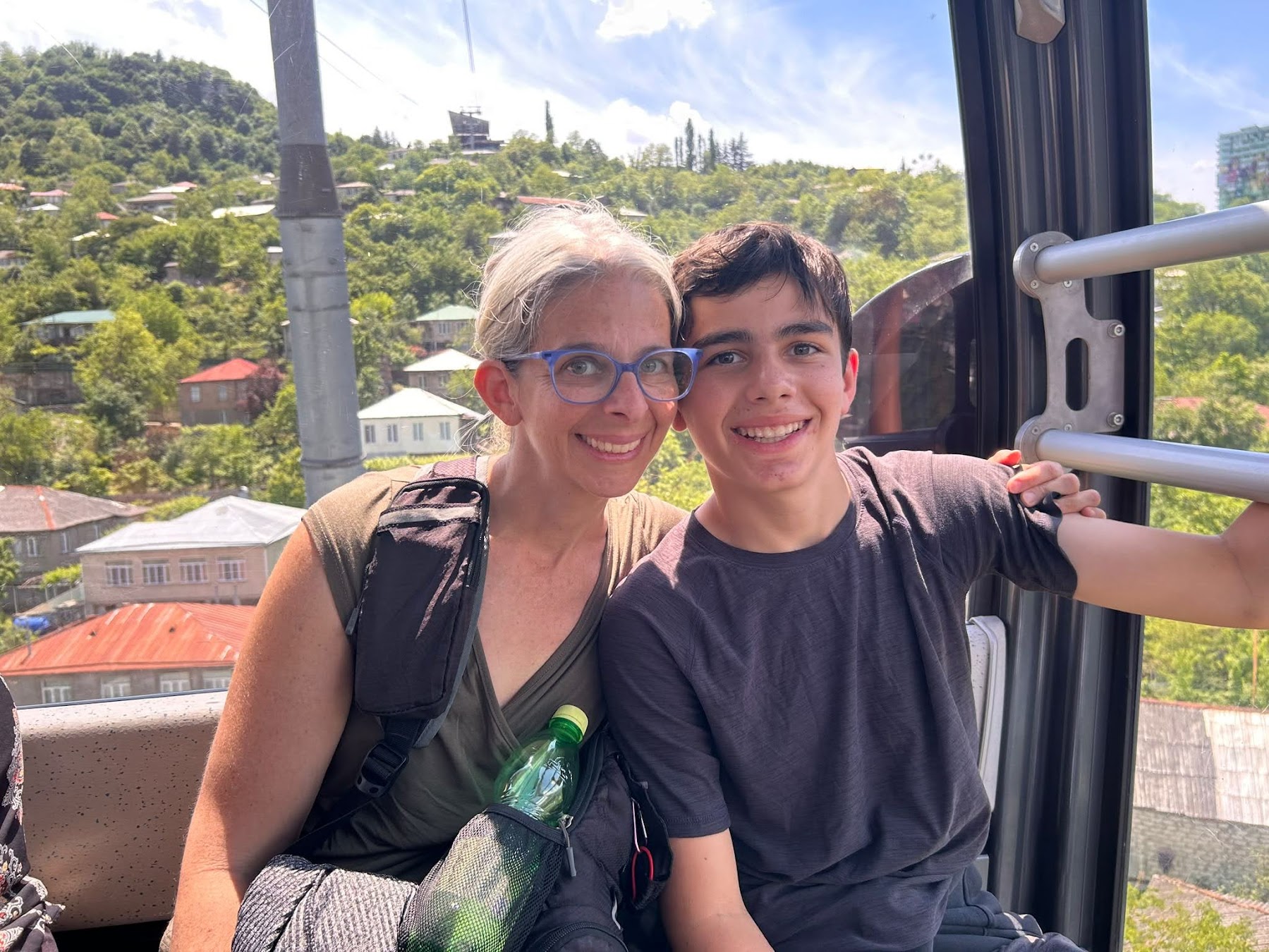
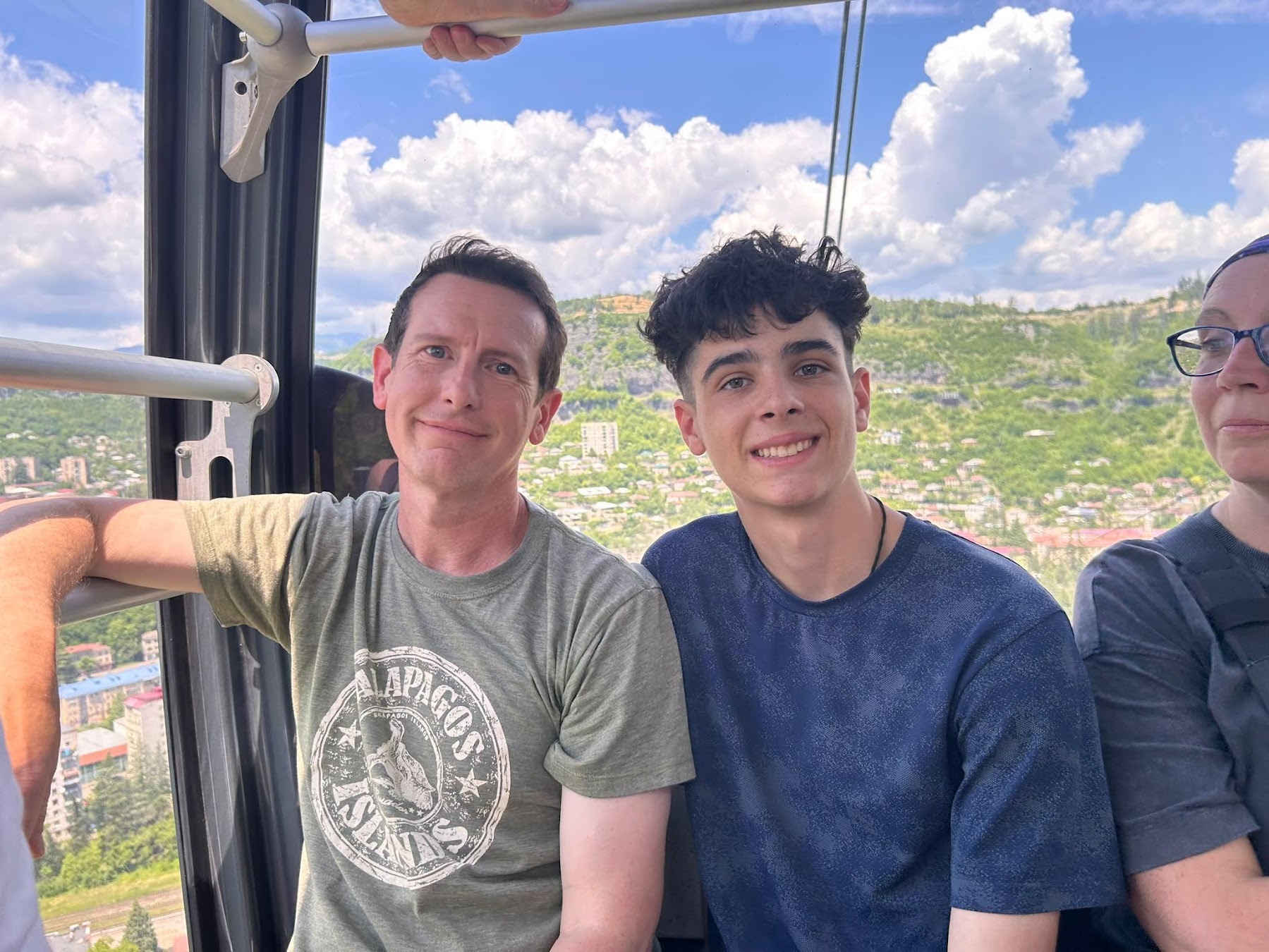
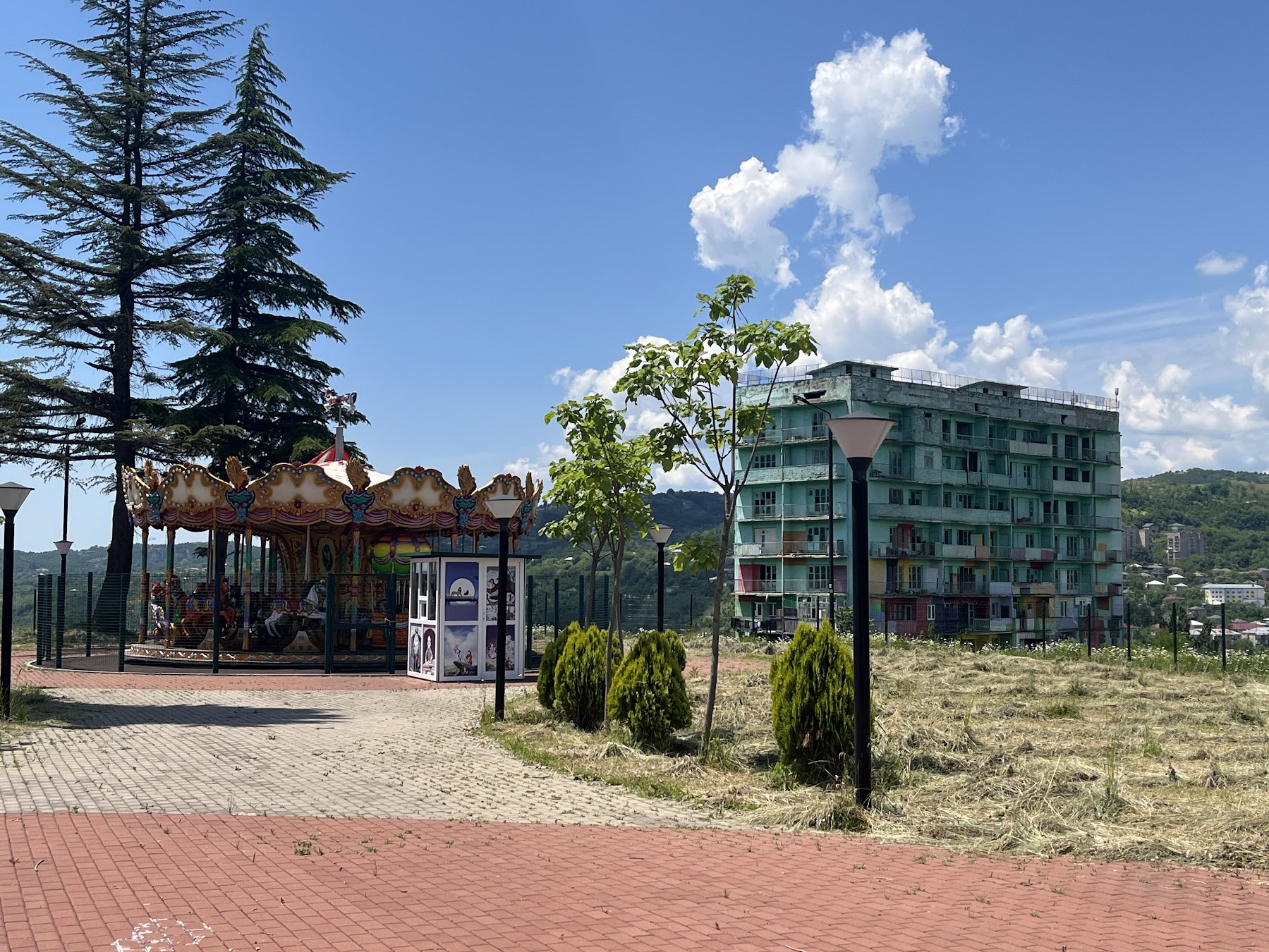
As we explored, Teona shared some of the realities of life in the region. Although the government and mining companies earn significant revenue from the manganese industry, very little of that wealth seems to make its way back into the town itself. Many of the buildings show signs of neglect, and economic opportunities are limited. It was a sobering reminder that behind every industry are real communities facing real challenges.
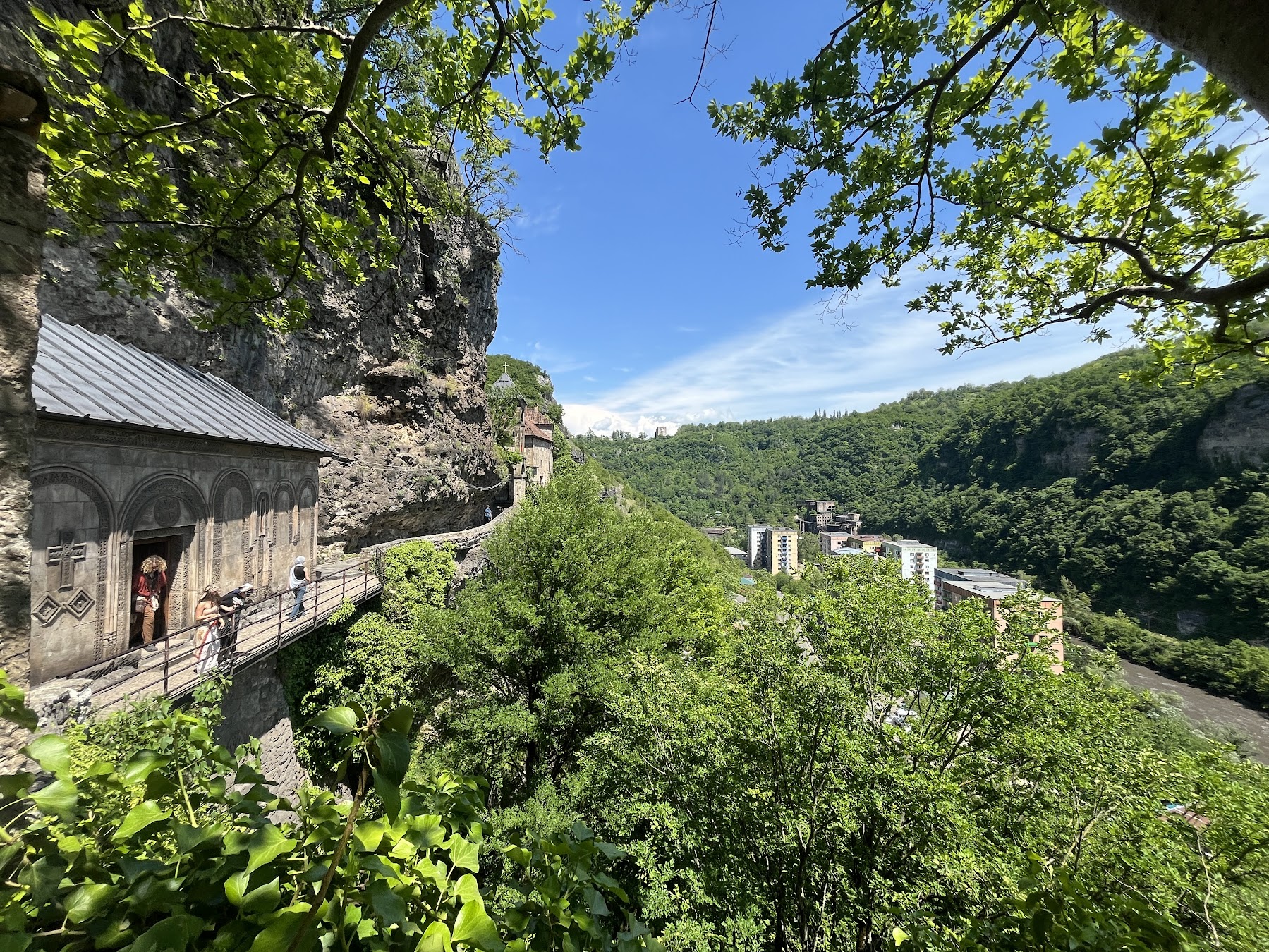
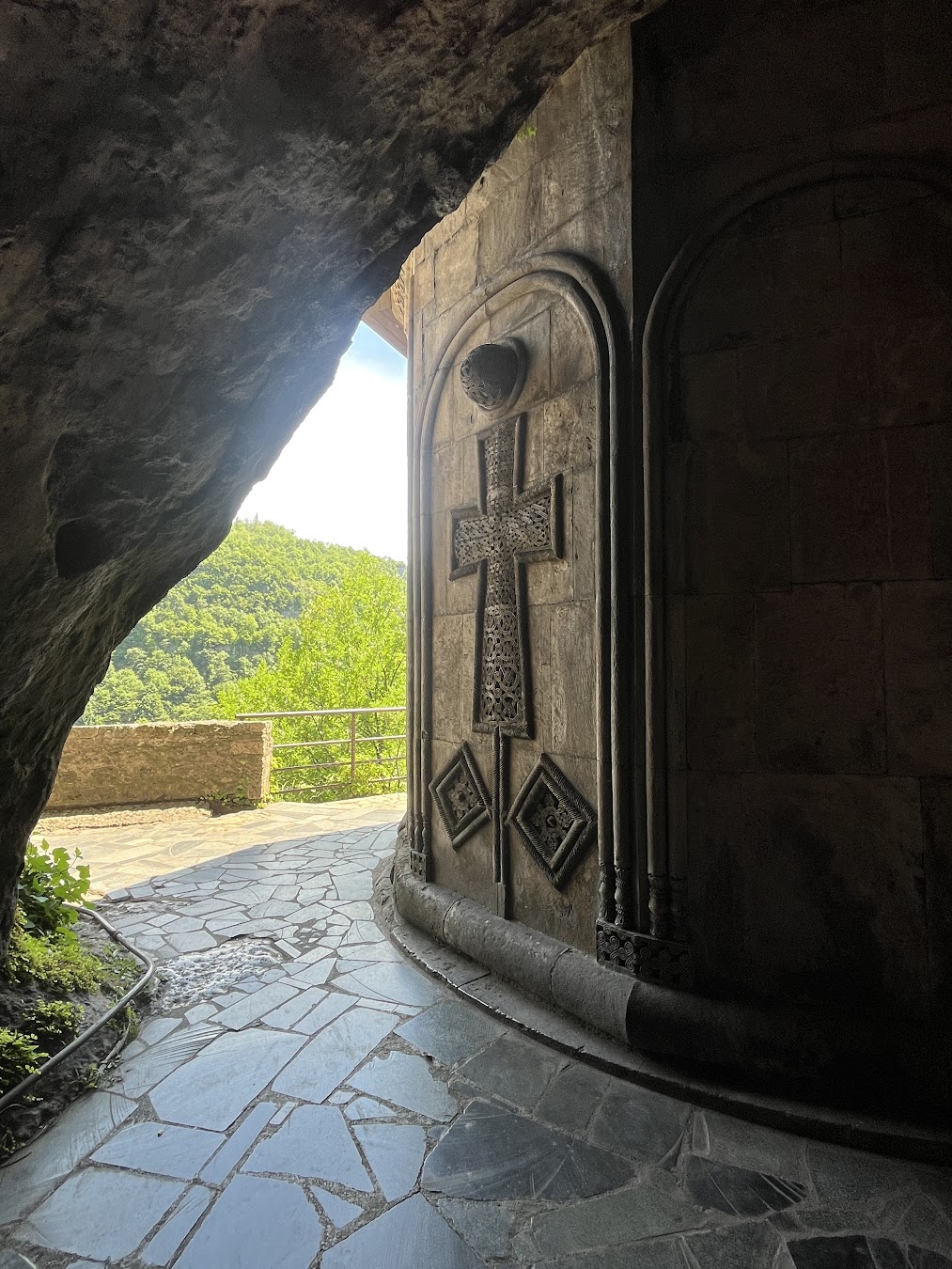
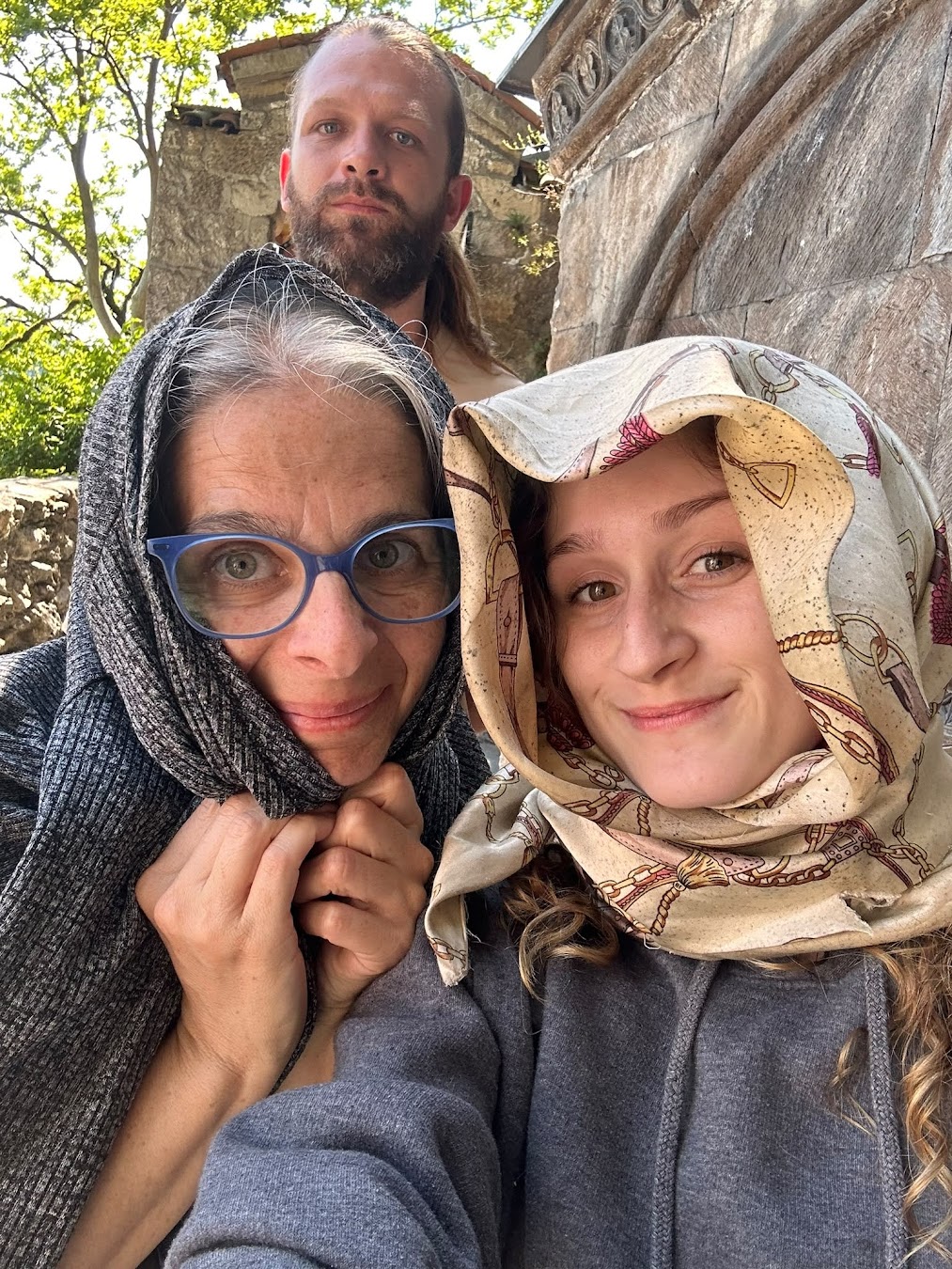
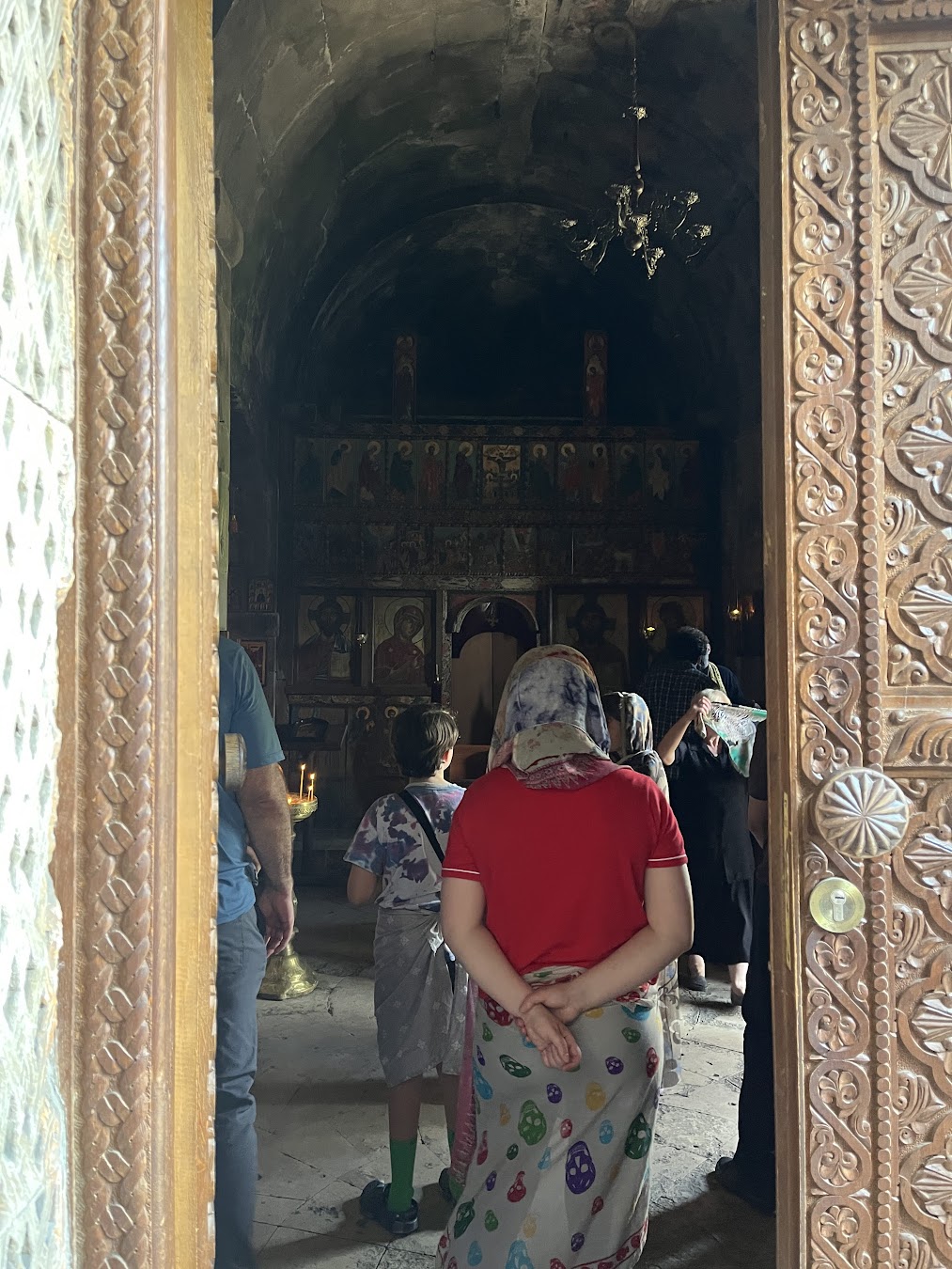
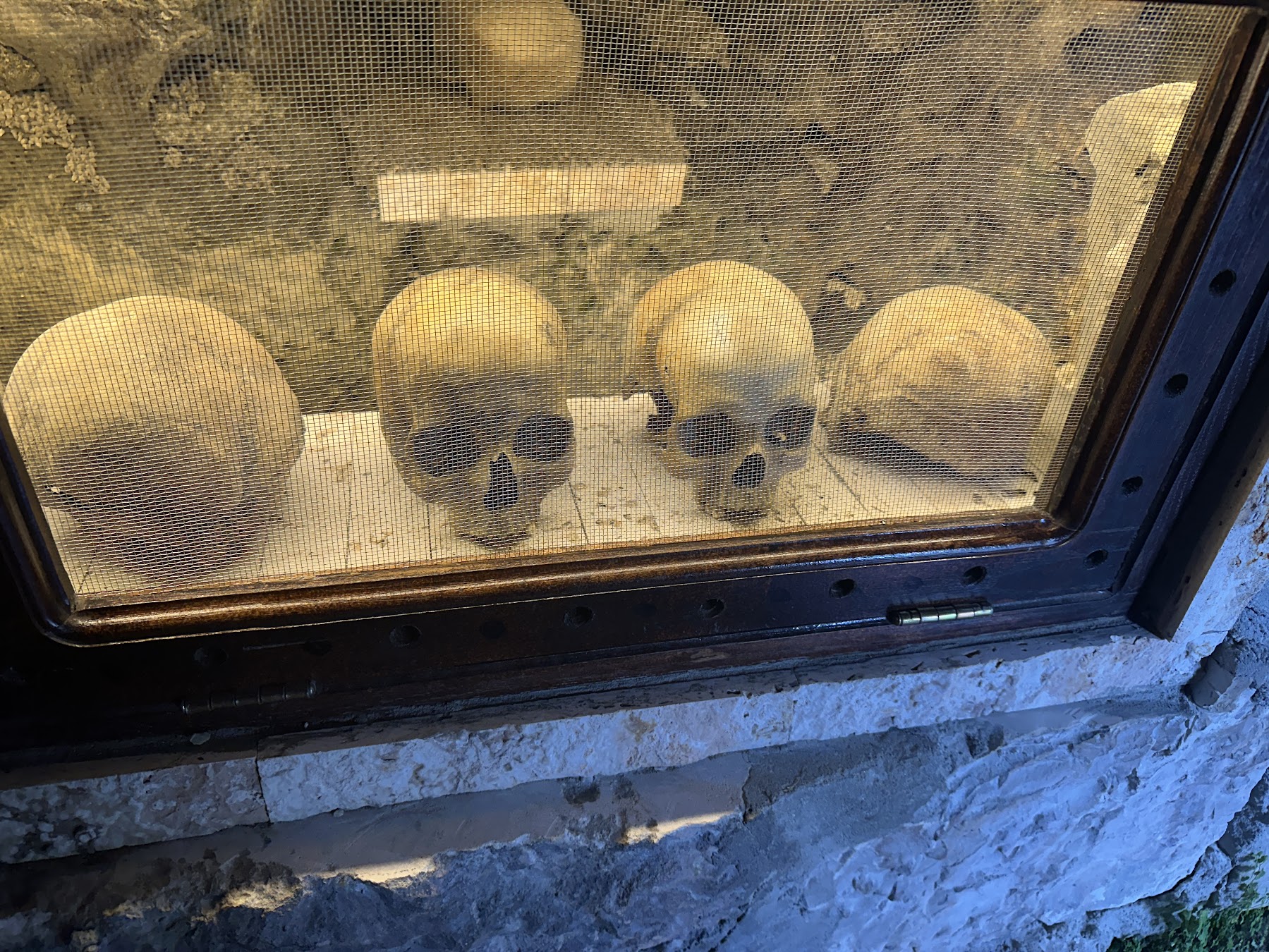
We also visited Mgvimevi Monastery, a beautiful monastery built into the side of a cliff. Part of the complex is carved directly into the rock, creating a peaceful and unique setting. A community of nuns still lives there today. Before entering the churches, the women covered their heads, and everyone made sure their knees were covered, following local religious customs.
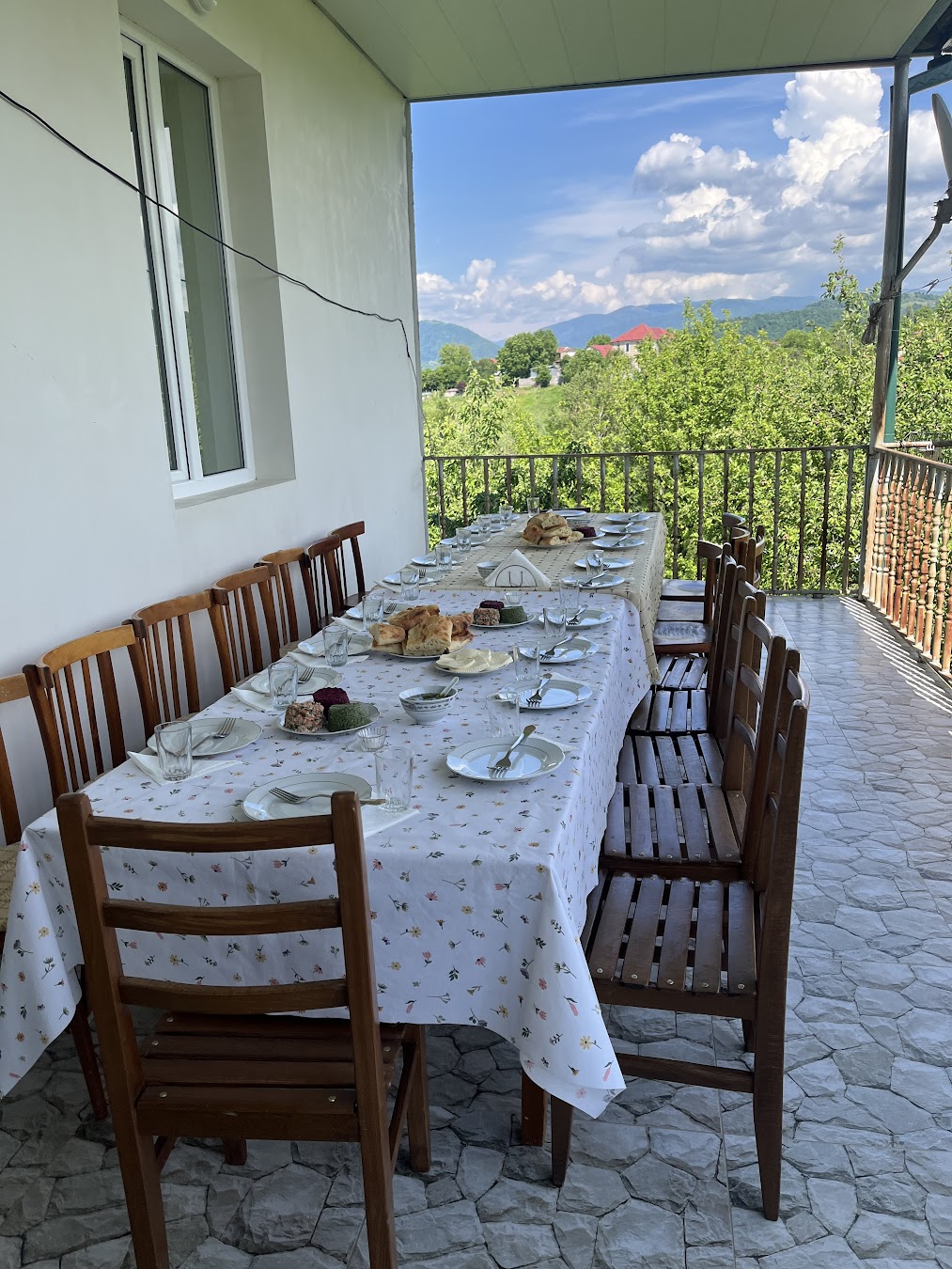
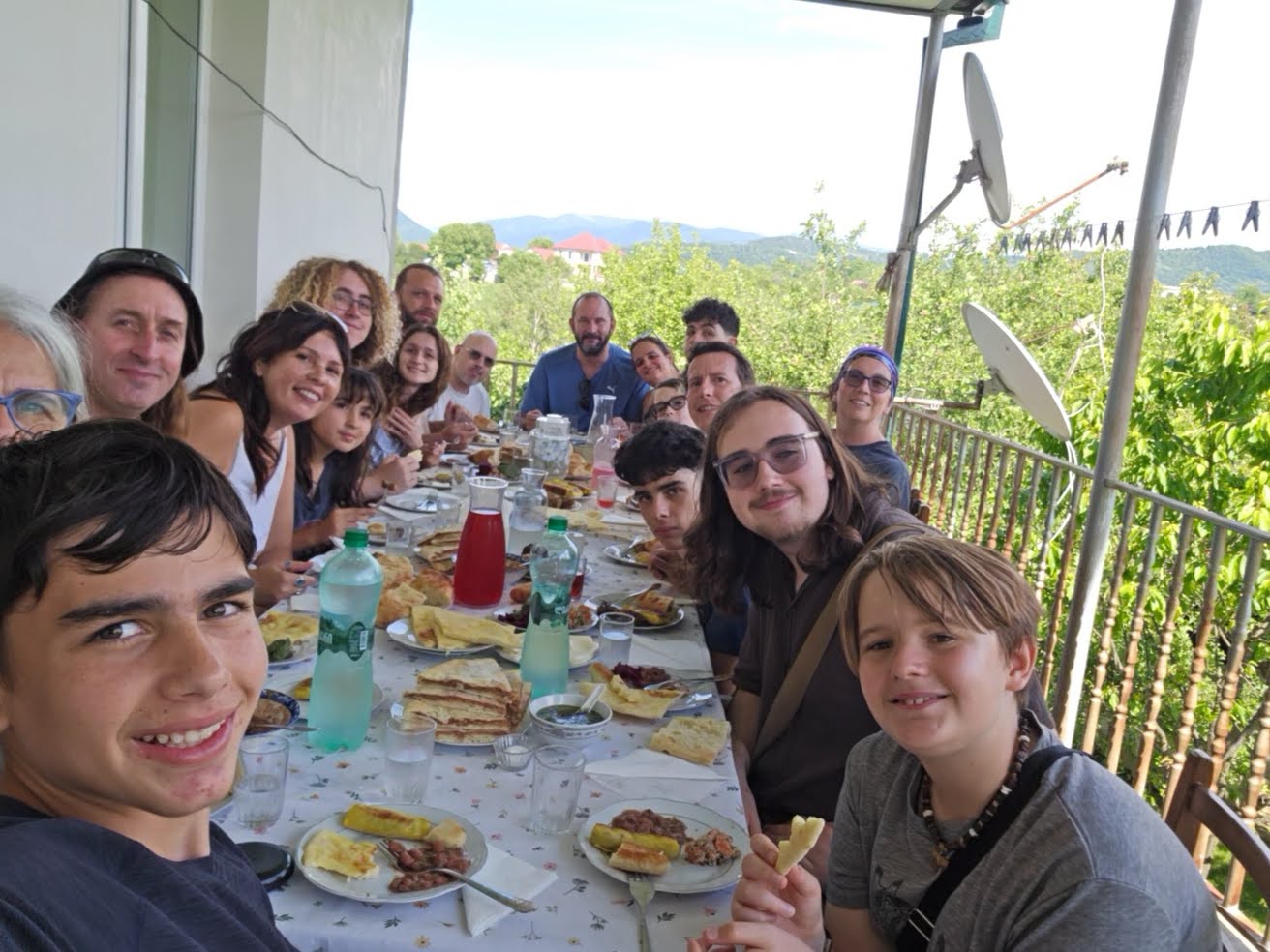
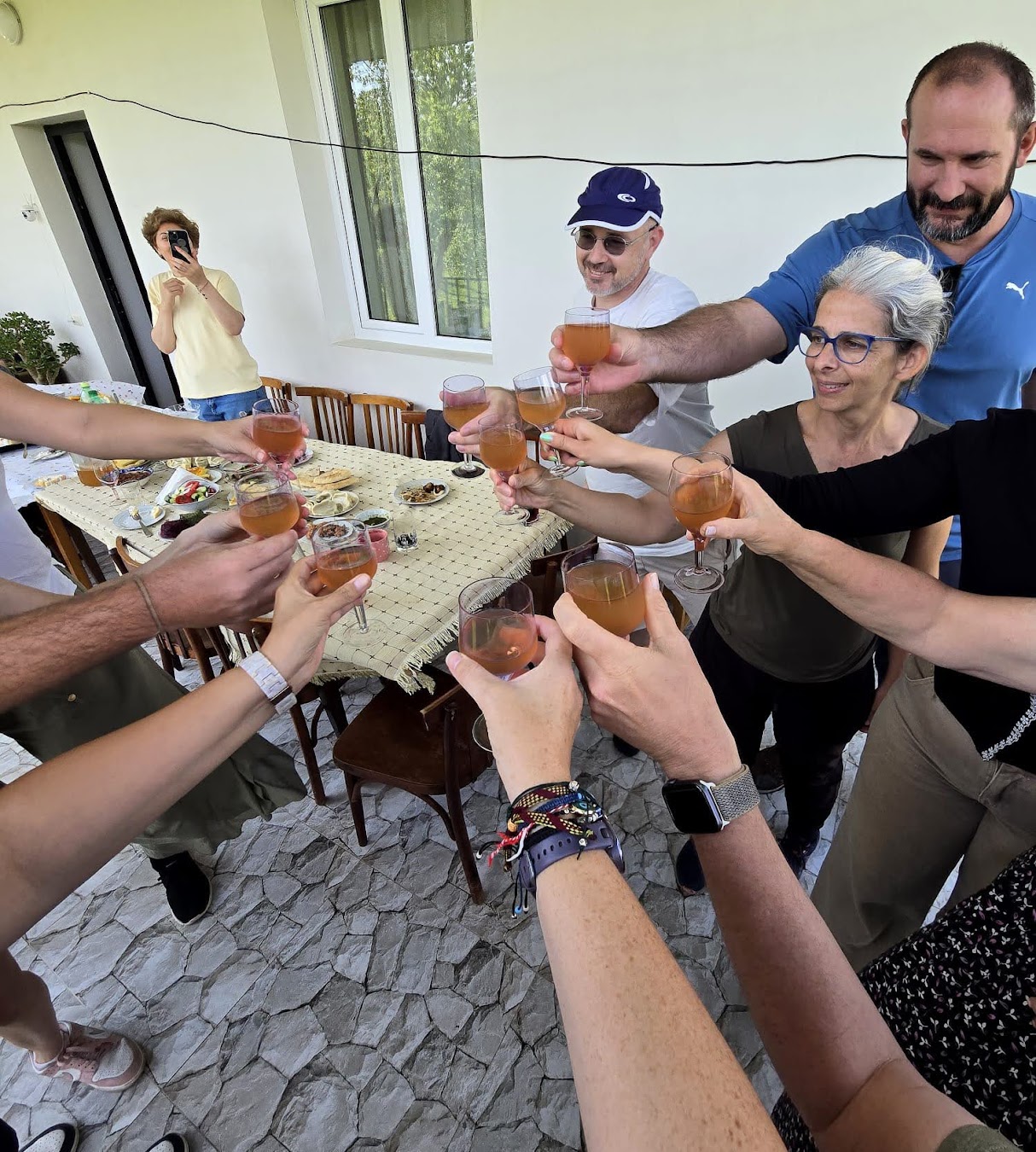
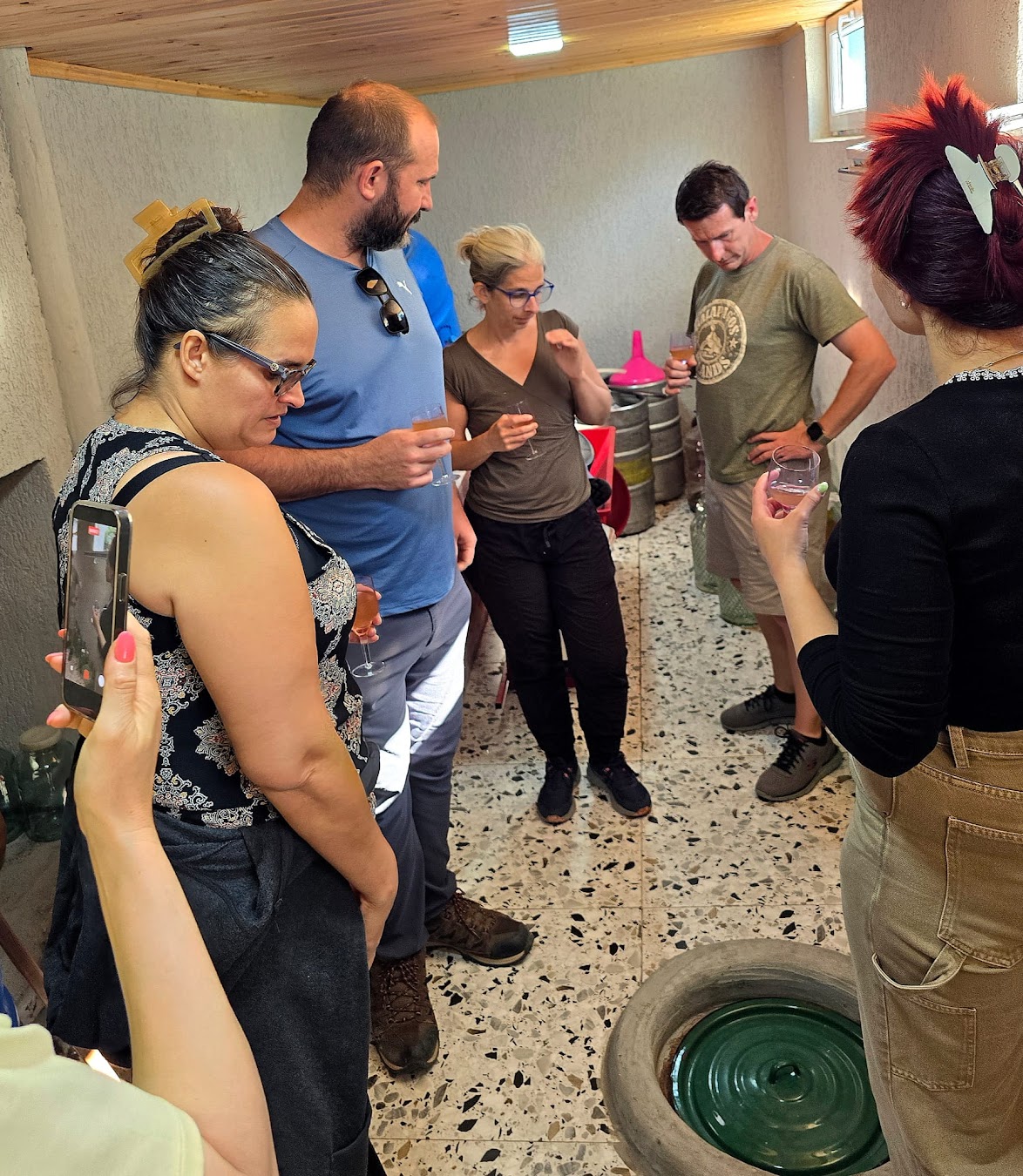
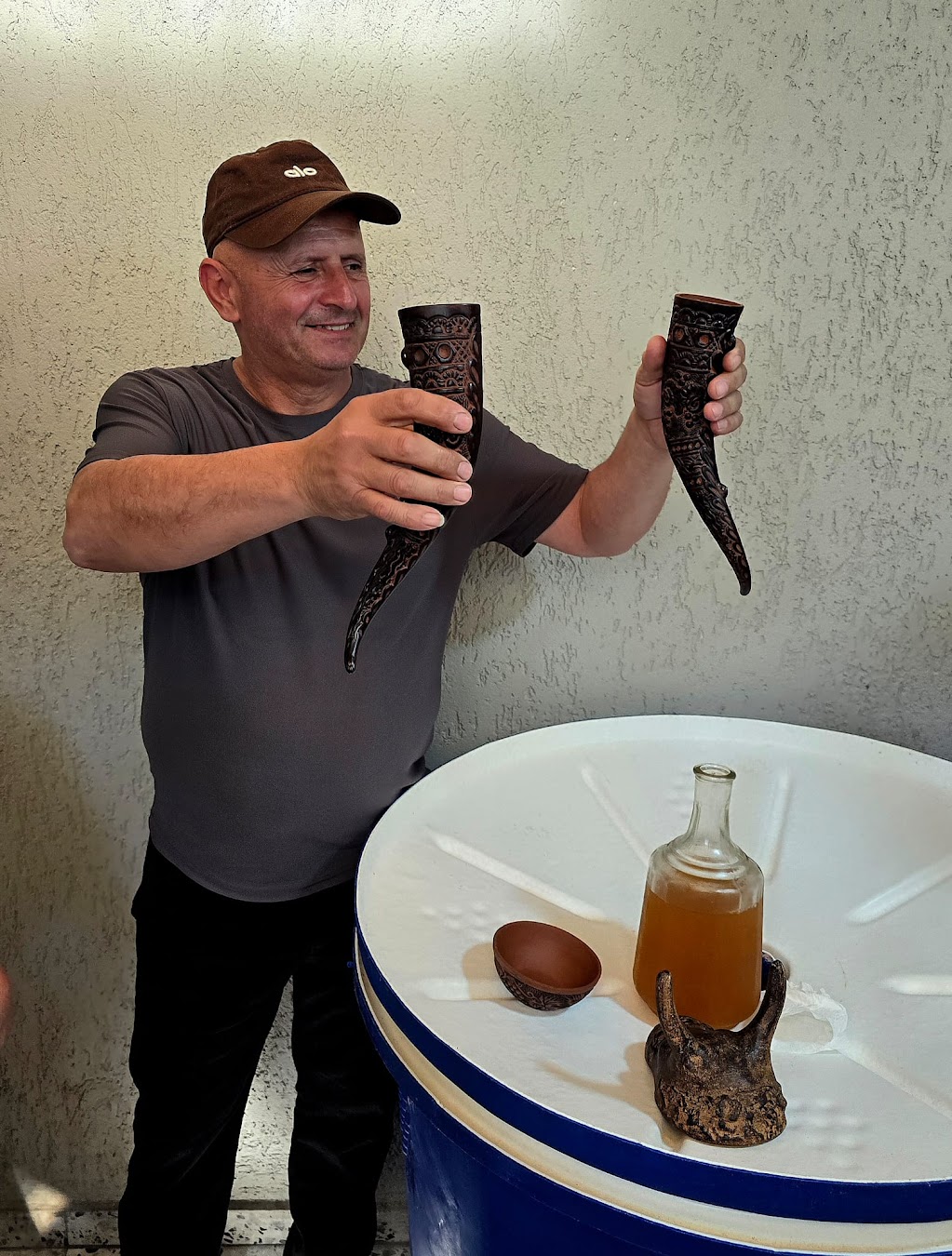
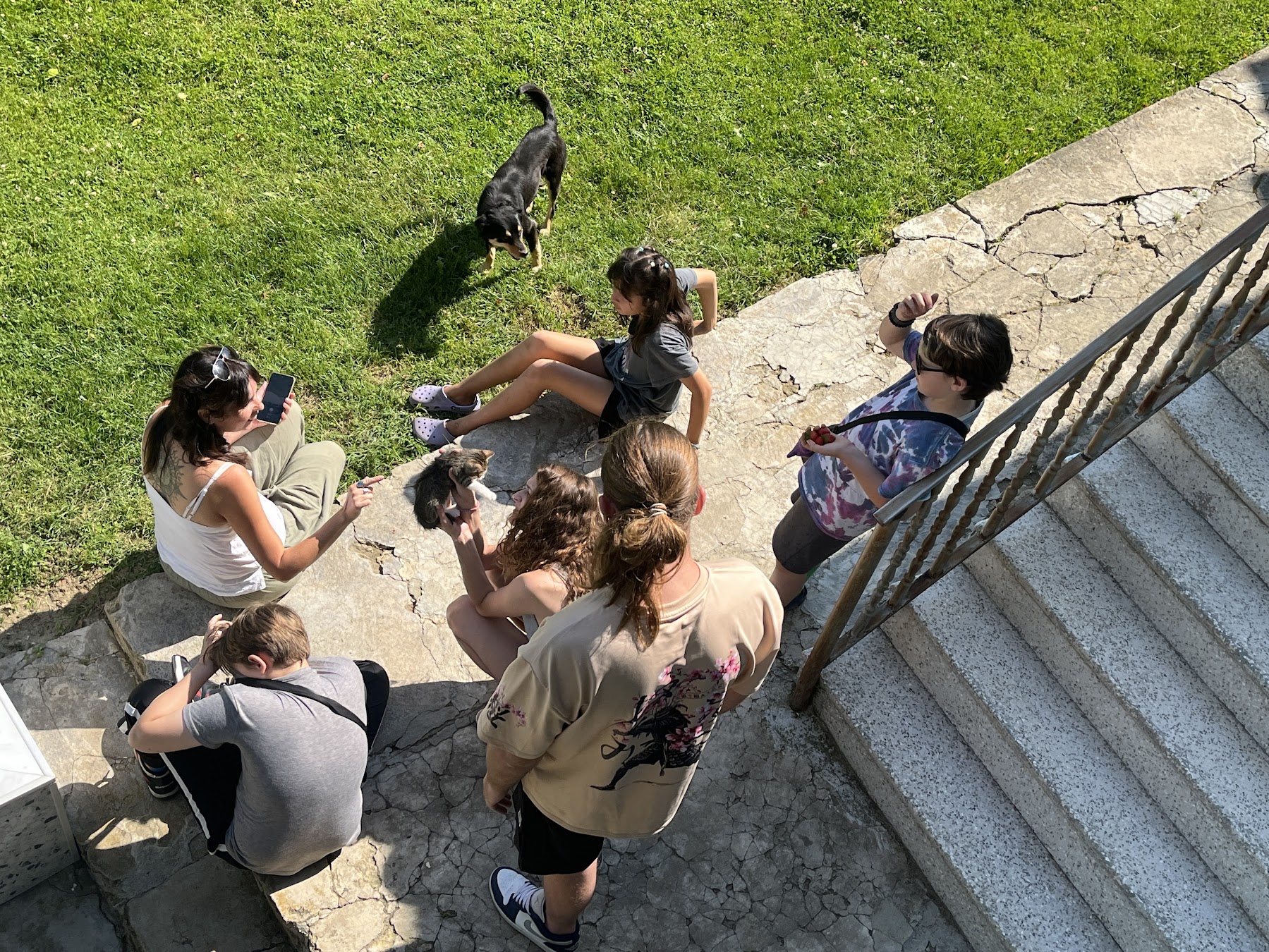
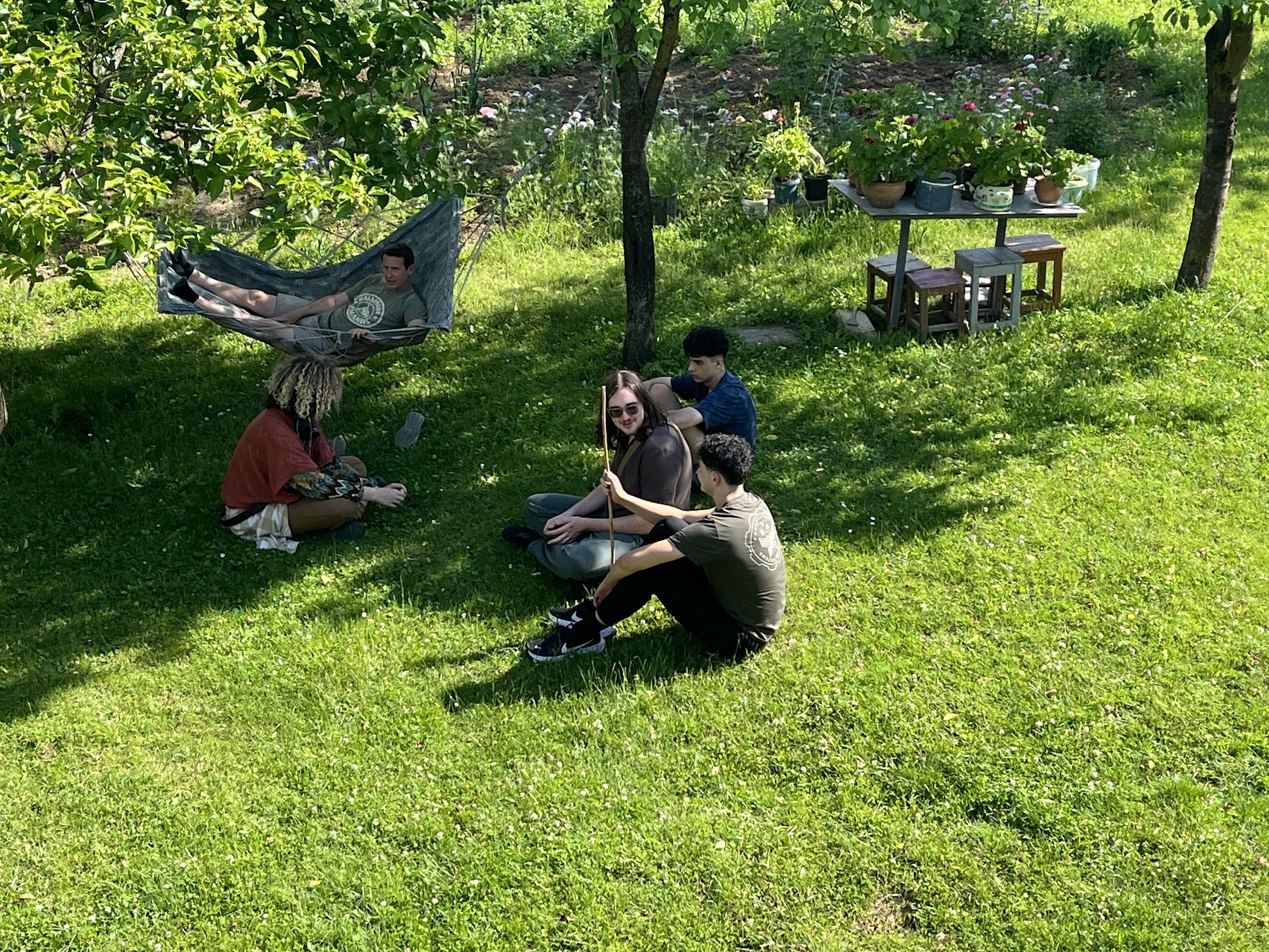
One of the true highlights of the day came at lunchtime. Teona arranged for us to eat at her uncle’s home, where we were welcomed like family. The table was filled with traditional Georgian dishes, homemade bread, fresh vegetables, and wine produced by the family themselves. It was such a treat to sit around a family table and enjoy a home-cooked meal. The food was delicious, but even more memorable was the hospitality. It was one of those experiences that make travel special—not just seeing places, but connecting with people.
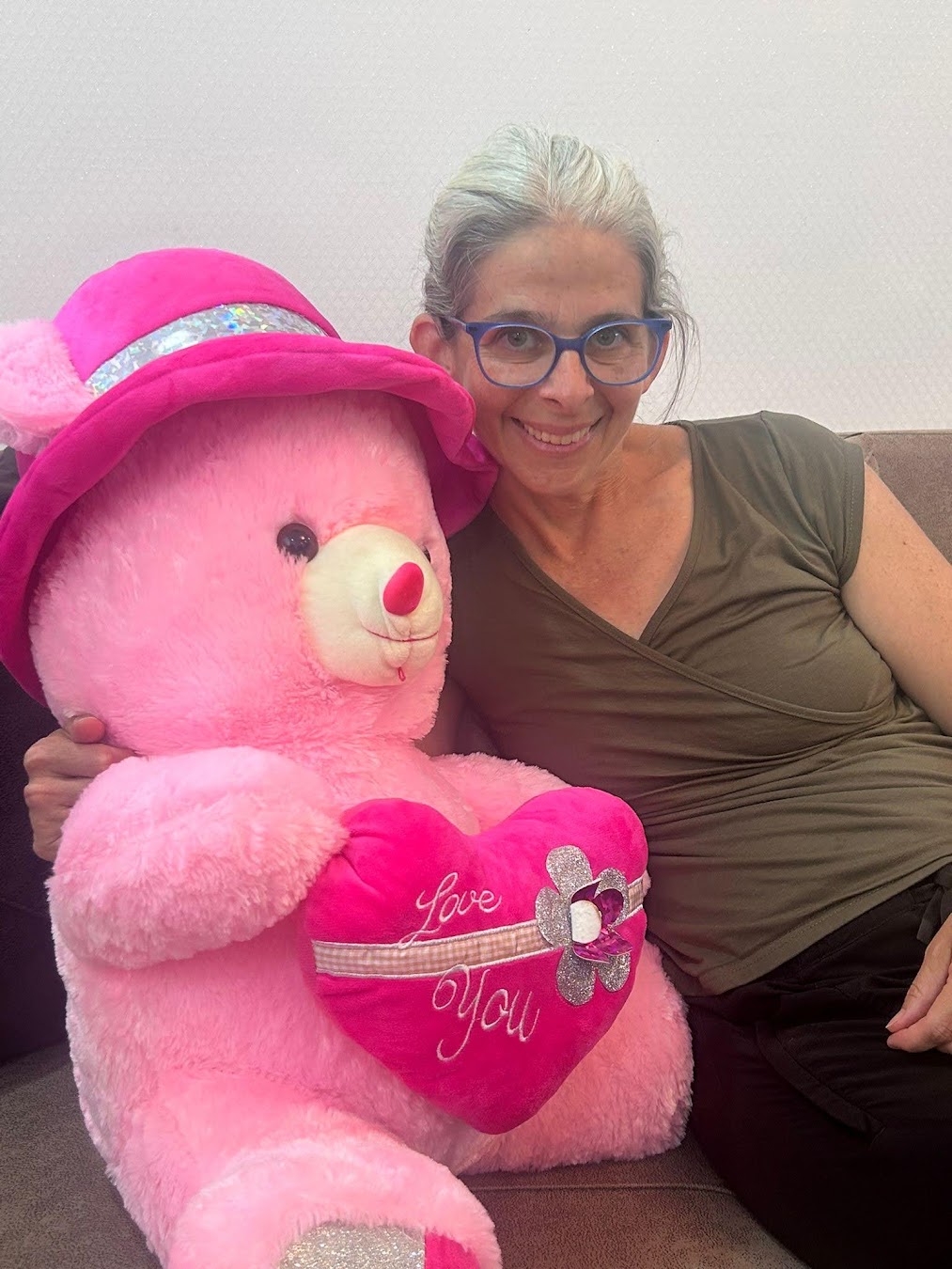
During our drive, we also passed through Gori, the hometown of Joseph Stalin. While the city is home to the famous Stalin Museum, our schedule was already packed, so we simply drove through and saved that stop for another time.
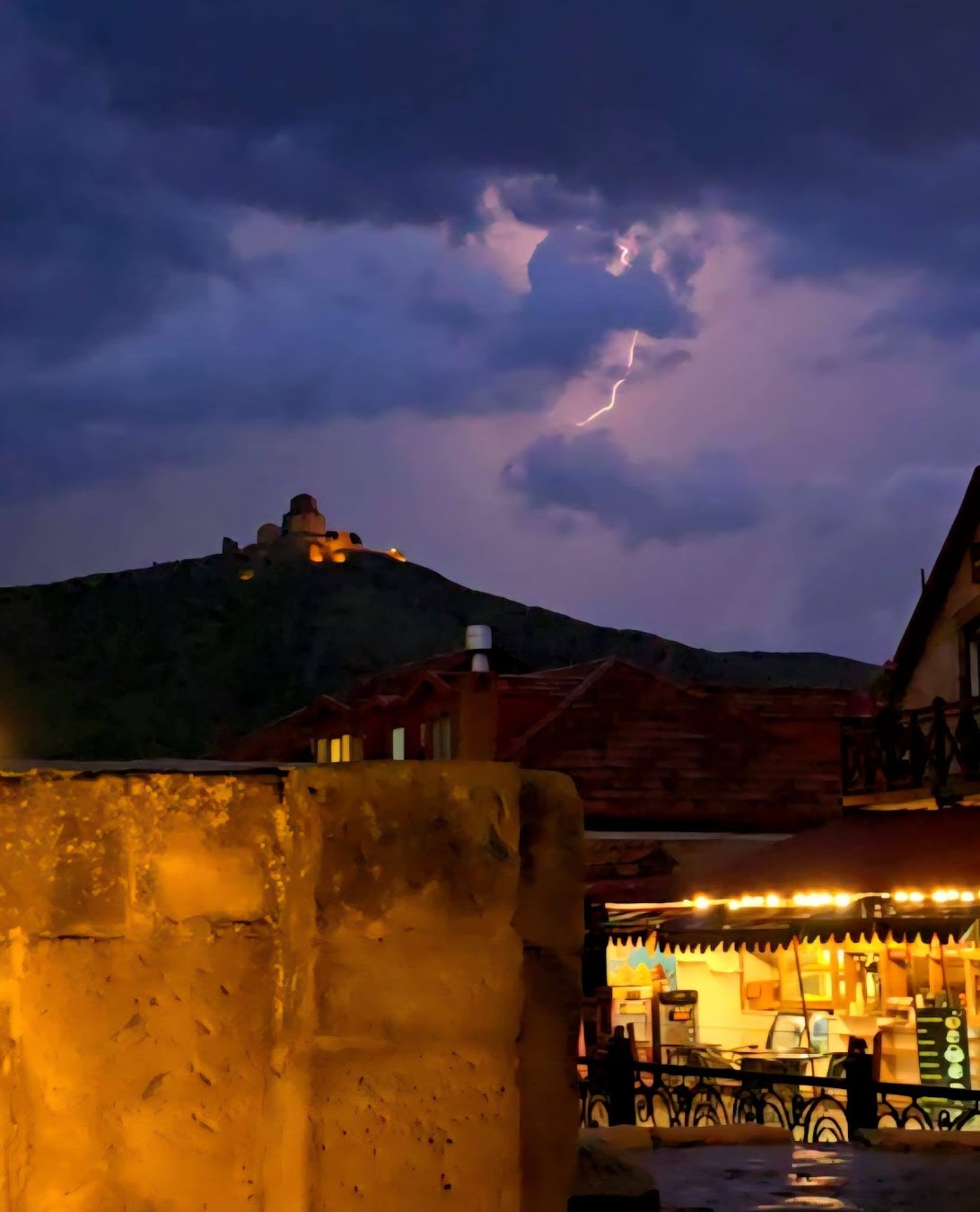
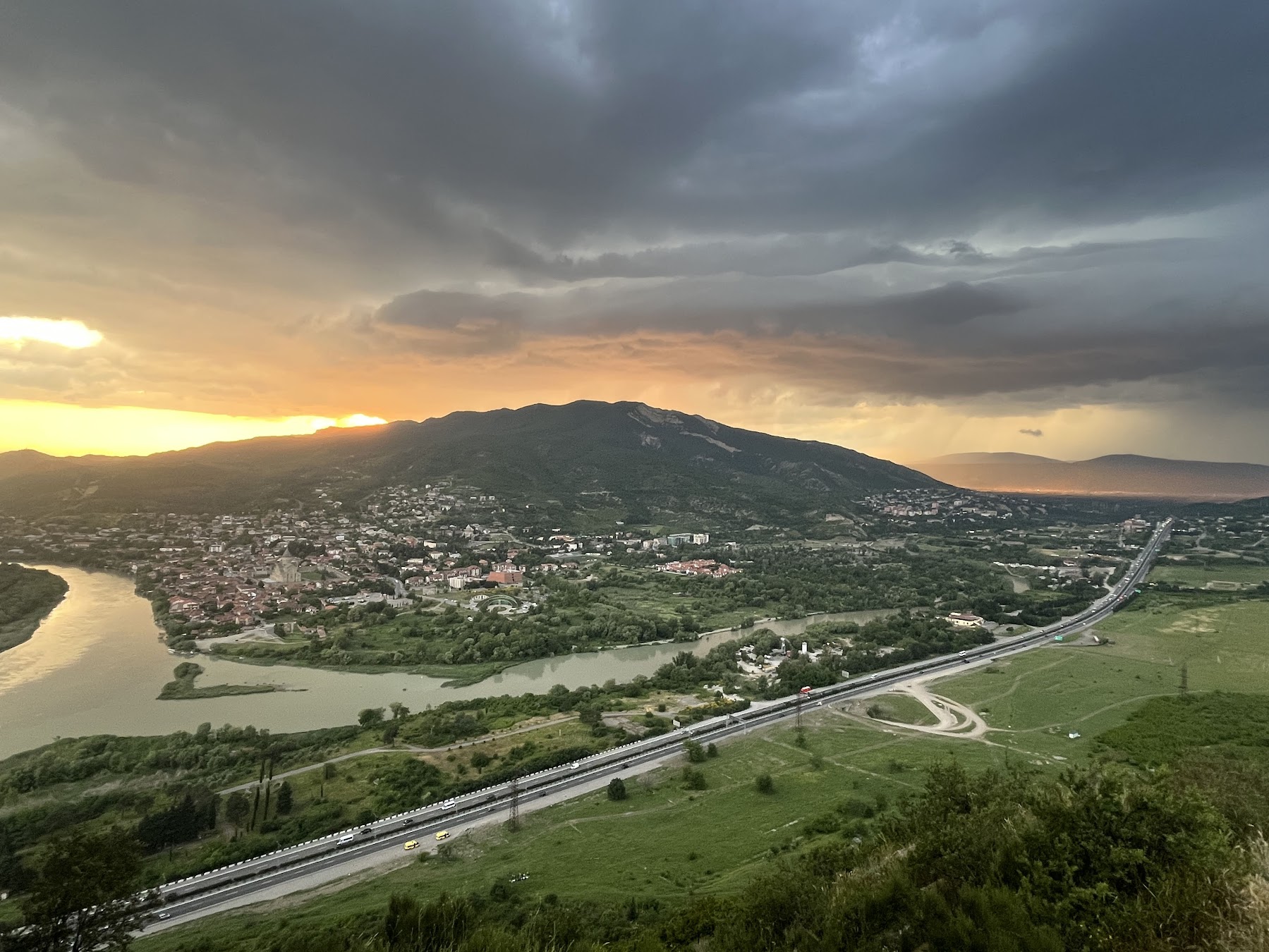
Our final destination was Mtskheta, one of Georgia’s oldest cities and its ancient capital. By the time we arrived, dark storm clouds were rolling in, but the changing weather only added to the drama.
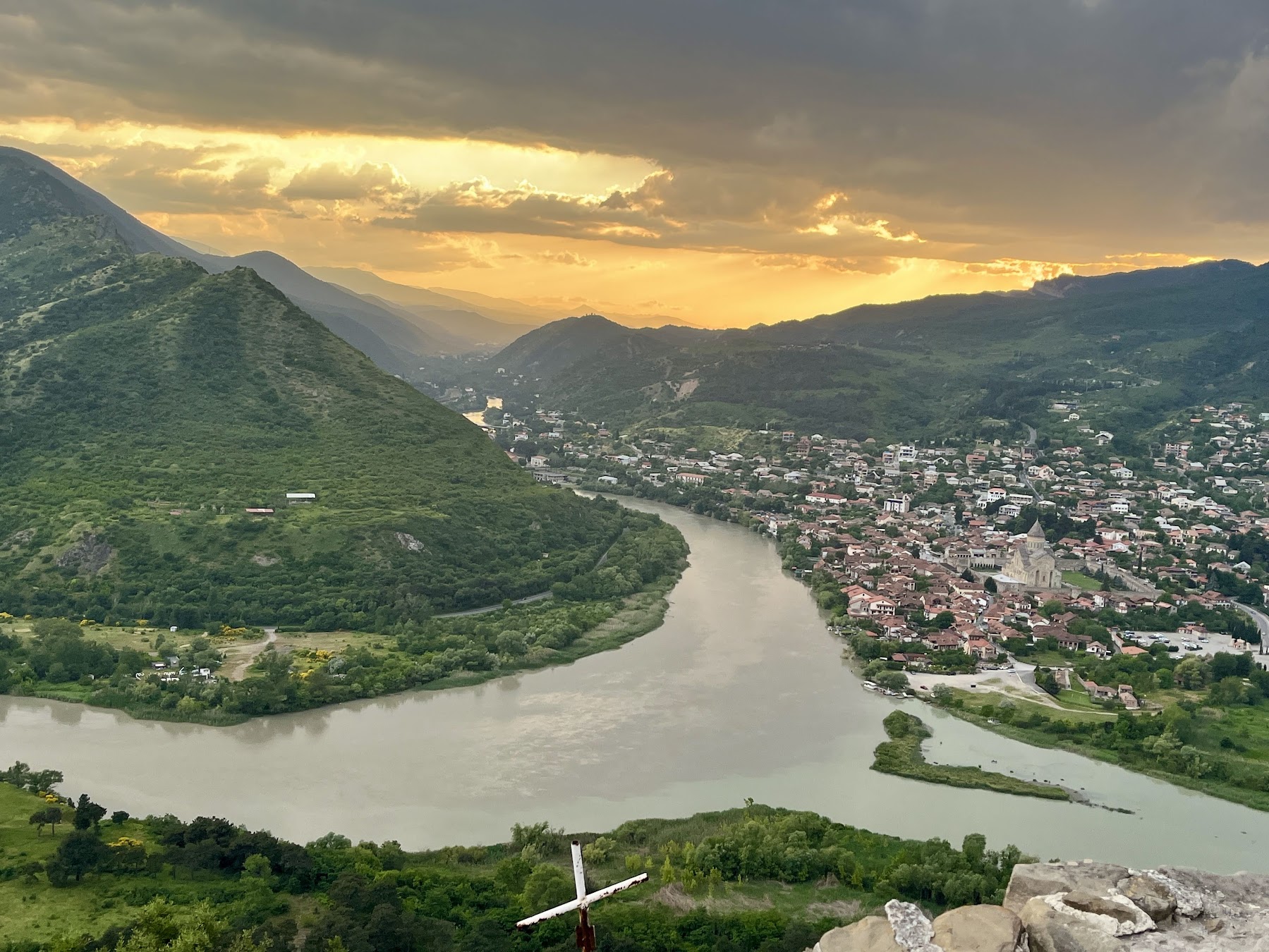
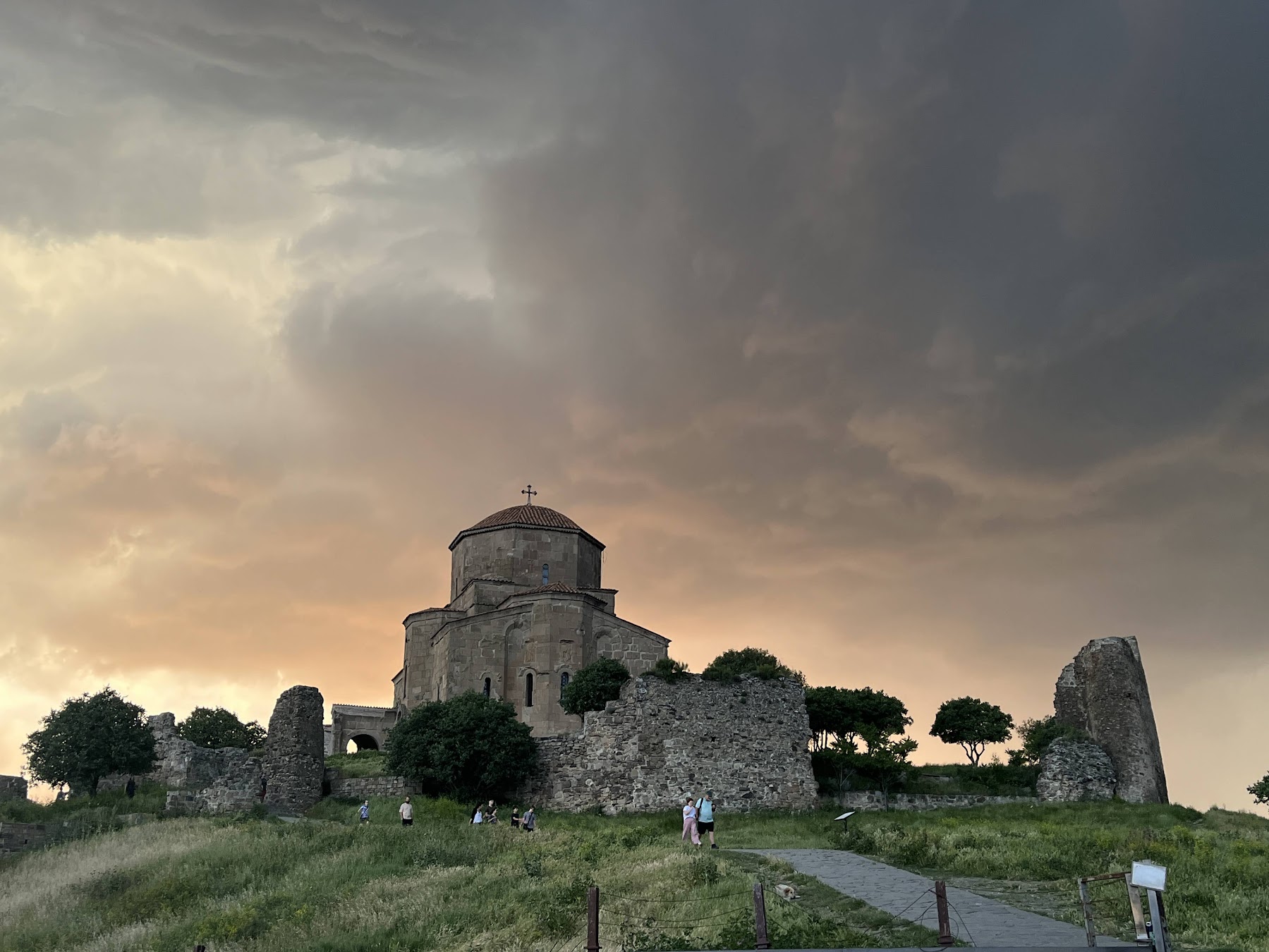
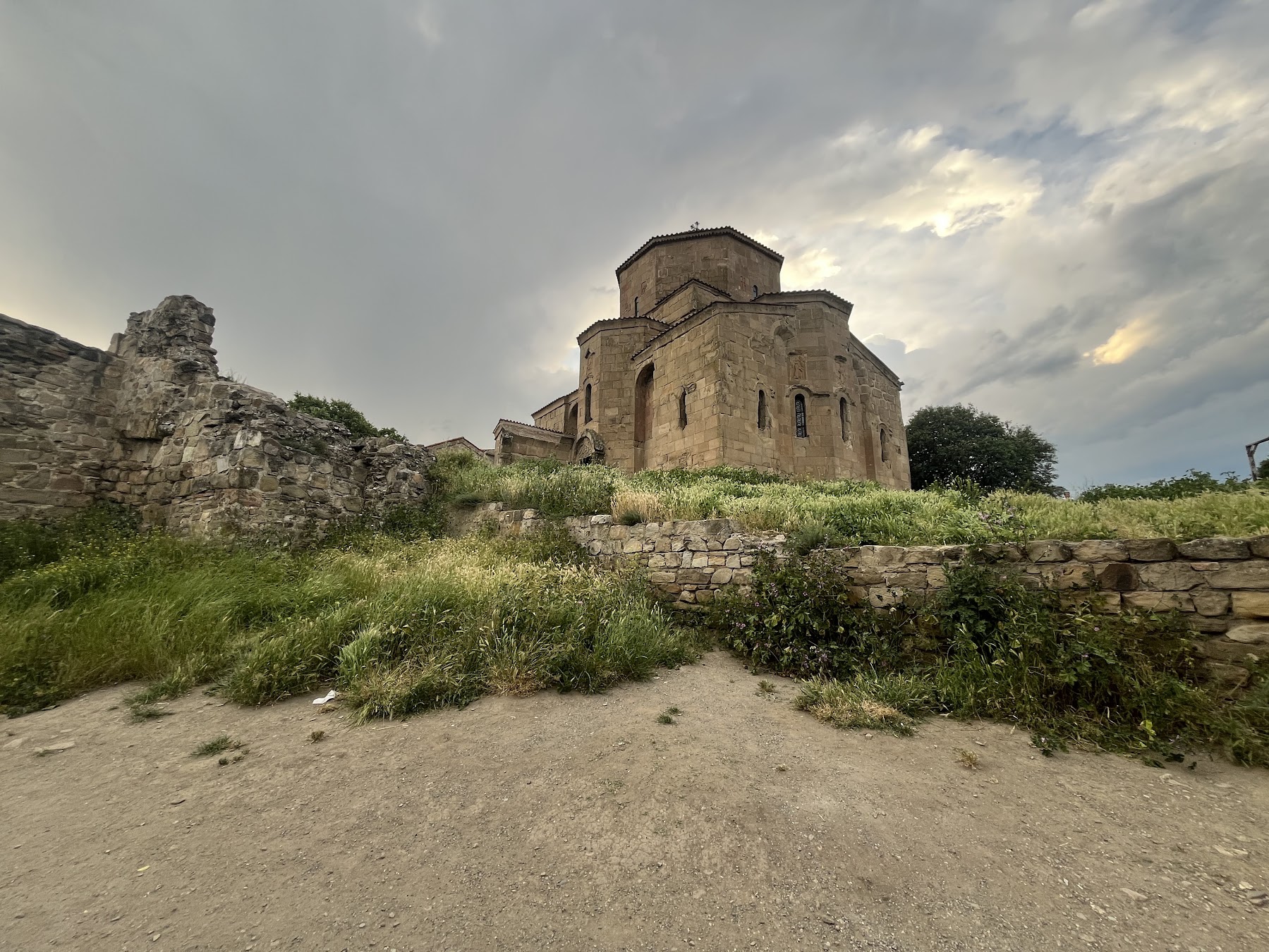
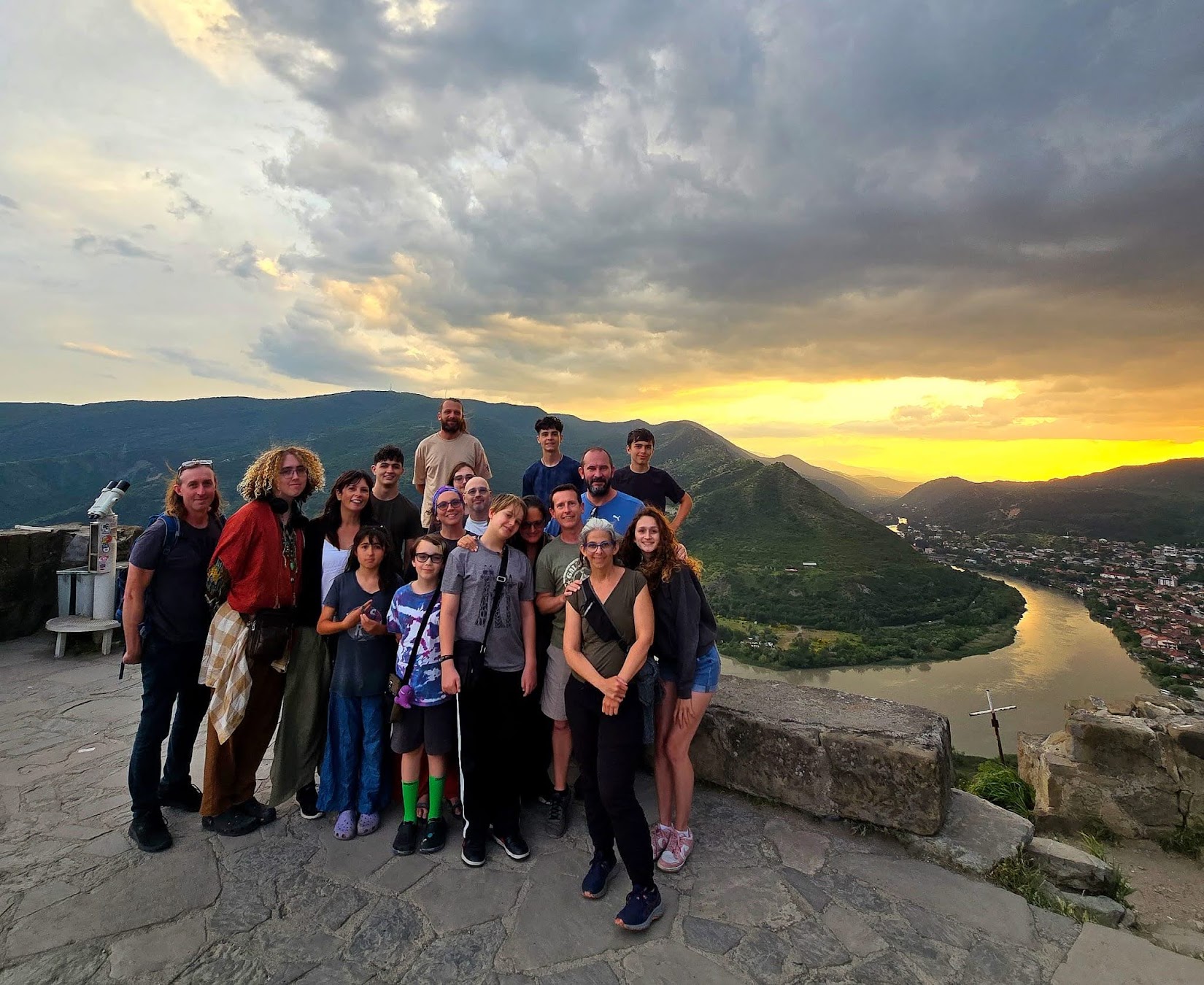
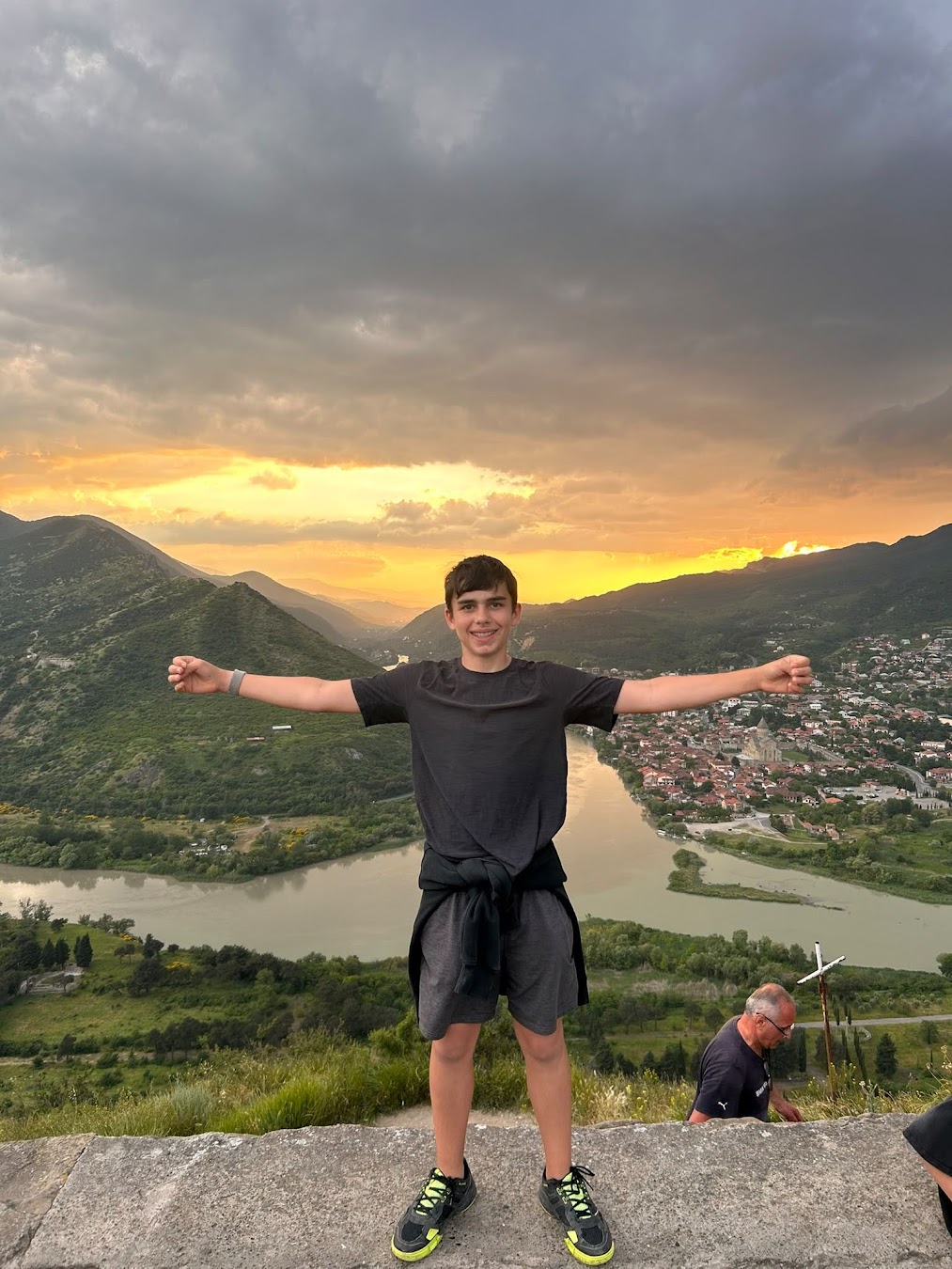
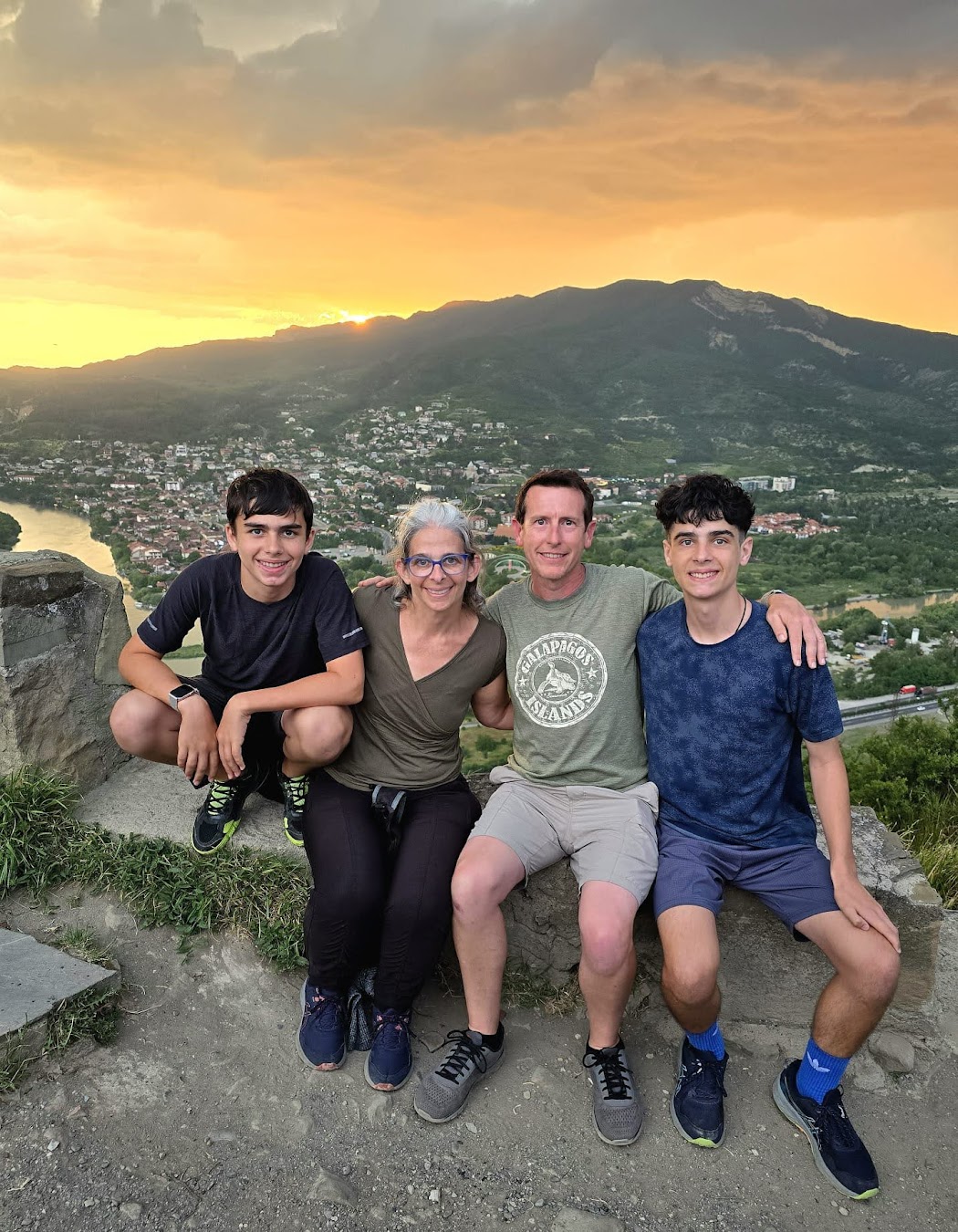
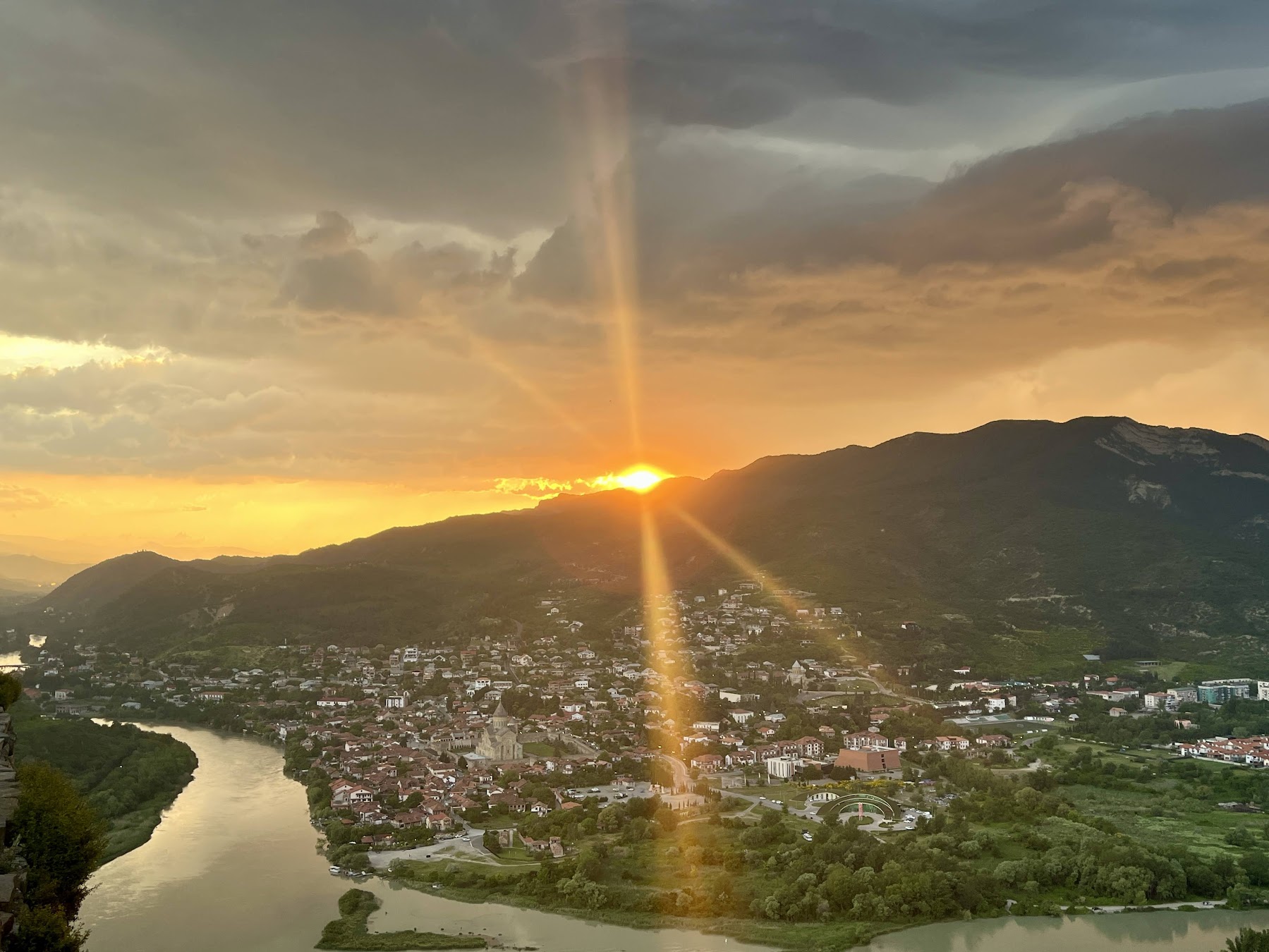
We made our way first to Jvari Monastery, perched high on a hill overlooking the meeting point of the Aragvi and Mtkvari Rivers. Built in the 6th century, Jvari is considered one of the finest examples of early Georgian Orthodox architecture and is a UNESCO World Heritage Site. According to tradition, Saint Nino erected a large wooden cross on this hill in the 4th century after helping bring Christianity to Georgia. As the storm clouds rolled in, we were treated to an incredible sunset that lit up the valley below in shades of gold, orange, and purple.
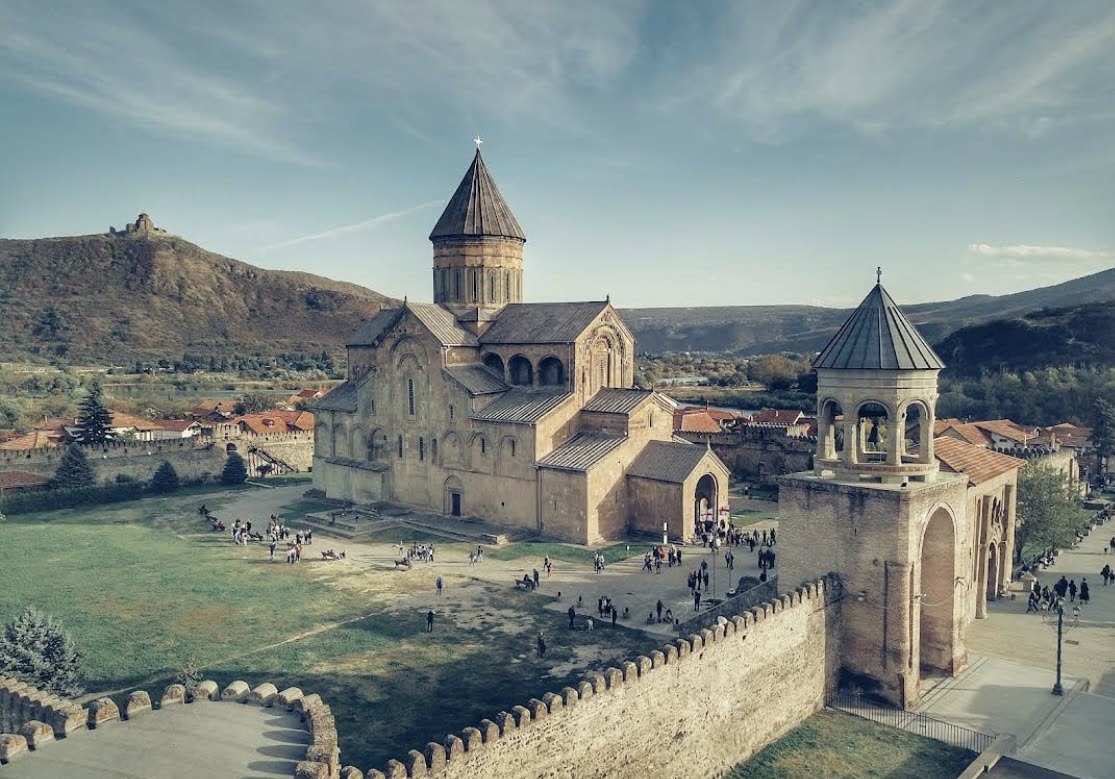
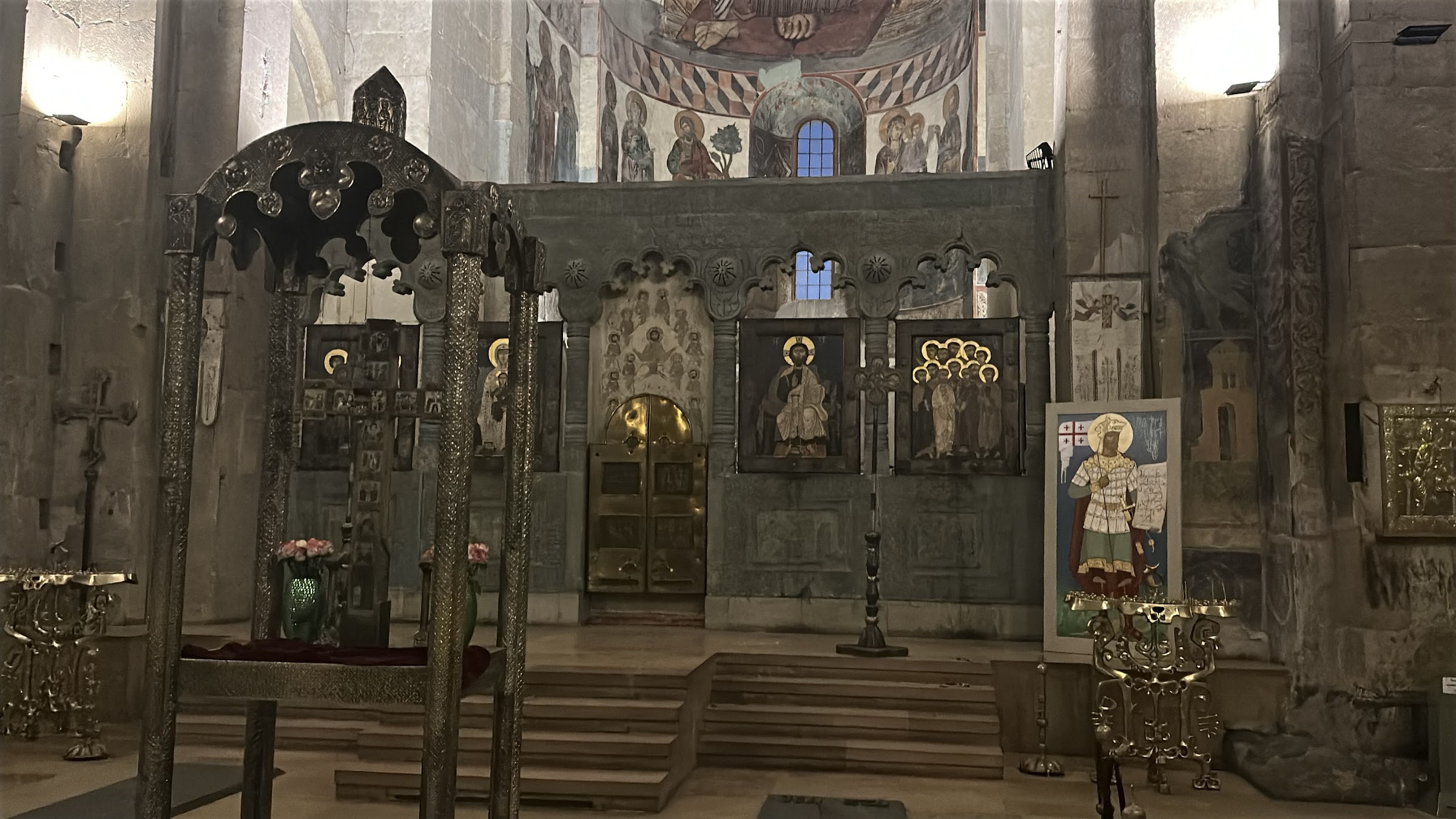
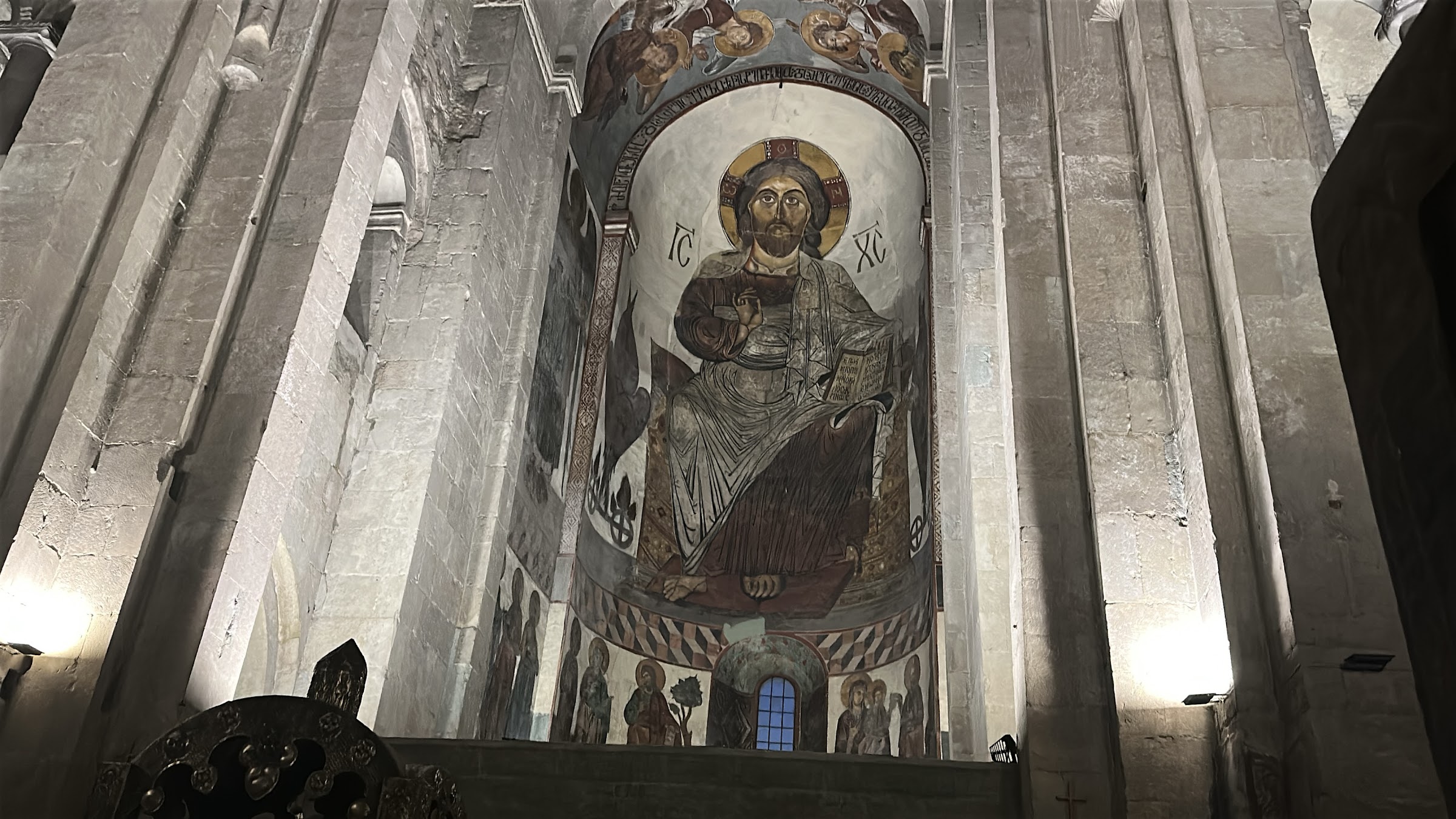
From there, we hurried to Svetitskhoveli Cathedral, arriving just before closing time. The cathedral is one of the most important religious sites in Georgia and has served as a spiritual center of the country for nearly a thousand years. According to Georgian tradition, a Jewish man from Mtskheta brought back the robe of Jesus after the Crucifixion. When his sister touched the robe, she was overcome with emotion and died holding it. Unable to separate her from the garment, she was buried with it, and the cathedral was eventually built over the site. The name Svetitskhoveli means “Life-Giving Pillar,” referring to legends surrounding the sacred location. Whether viewed as history, faith, or tradition, it is an incredibly significant place for Georgians.
We met our group at 7:50 in the morning and didn’t make it back to Tbilisi until nearly 10:00 that night. It was a very full day. On the drive home, an electrical storm lit up the sky around us. Brilliant flashes of lightning illuminated the mountains and clouds, creating a spectacular show that felt like the perfect ending to an already unforgettable day.
From Soviet mining towns and cliffside monasteries to homemade wine, ancient cathedrals, and dramatic sunsets, the day gave us a deeper appreciation for Georgia’s history, culture, and people. Most of all, it was wonderful to share the experience with Chloe and Rovuan and spend another day exploring with our travel family.