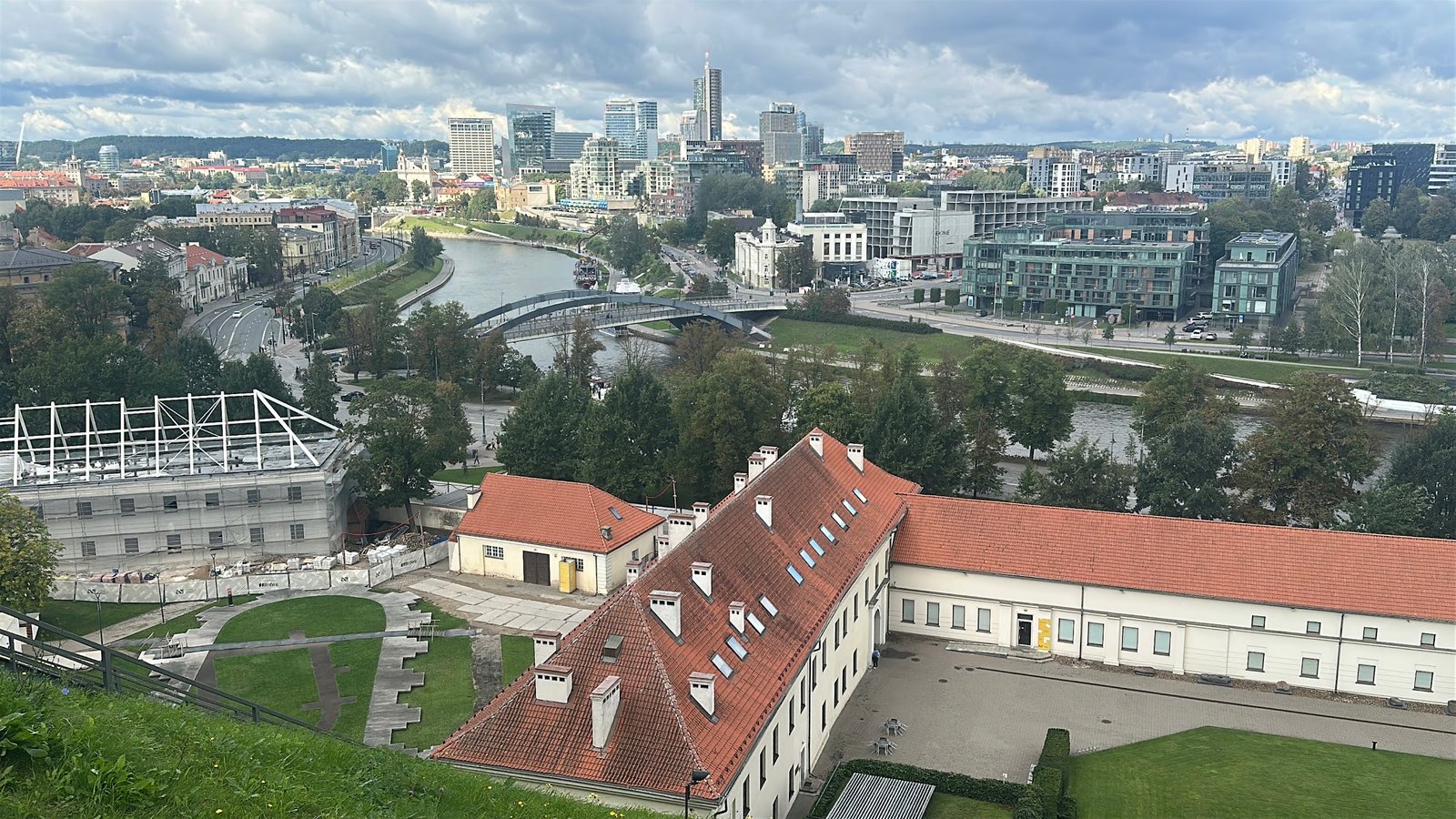
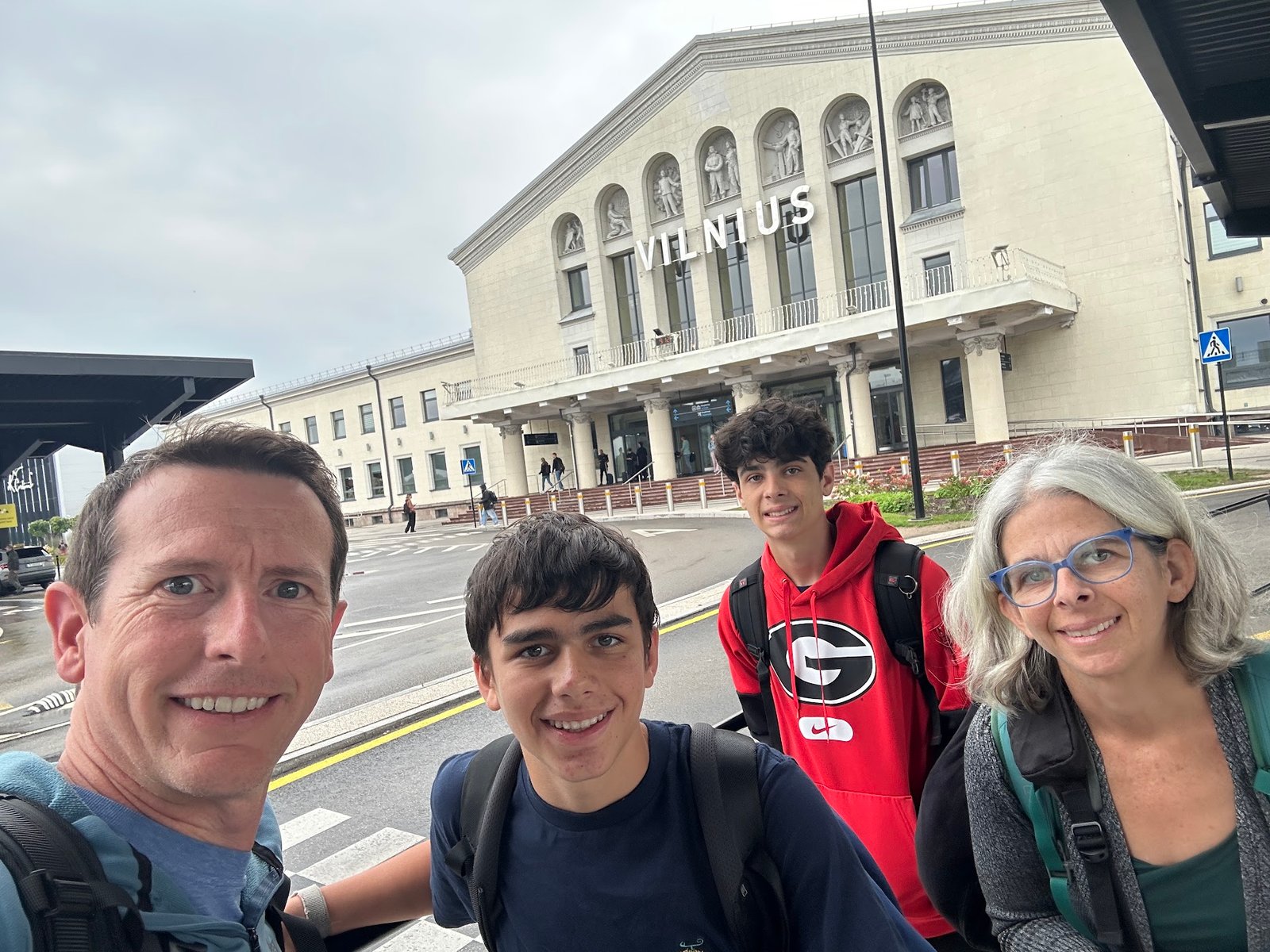
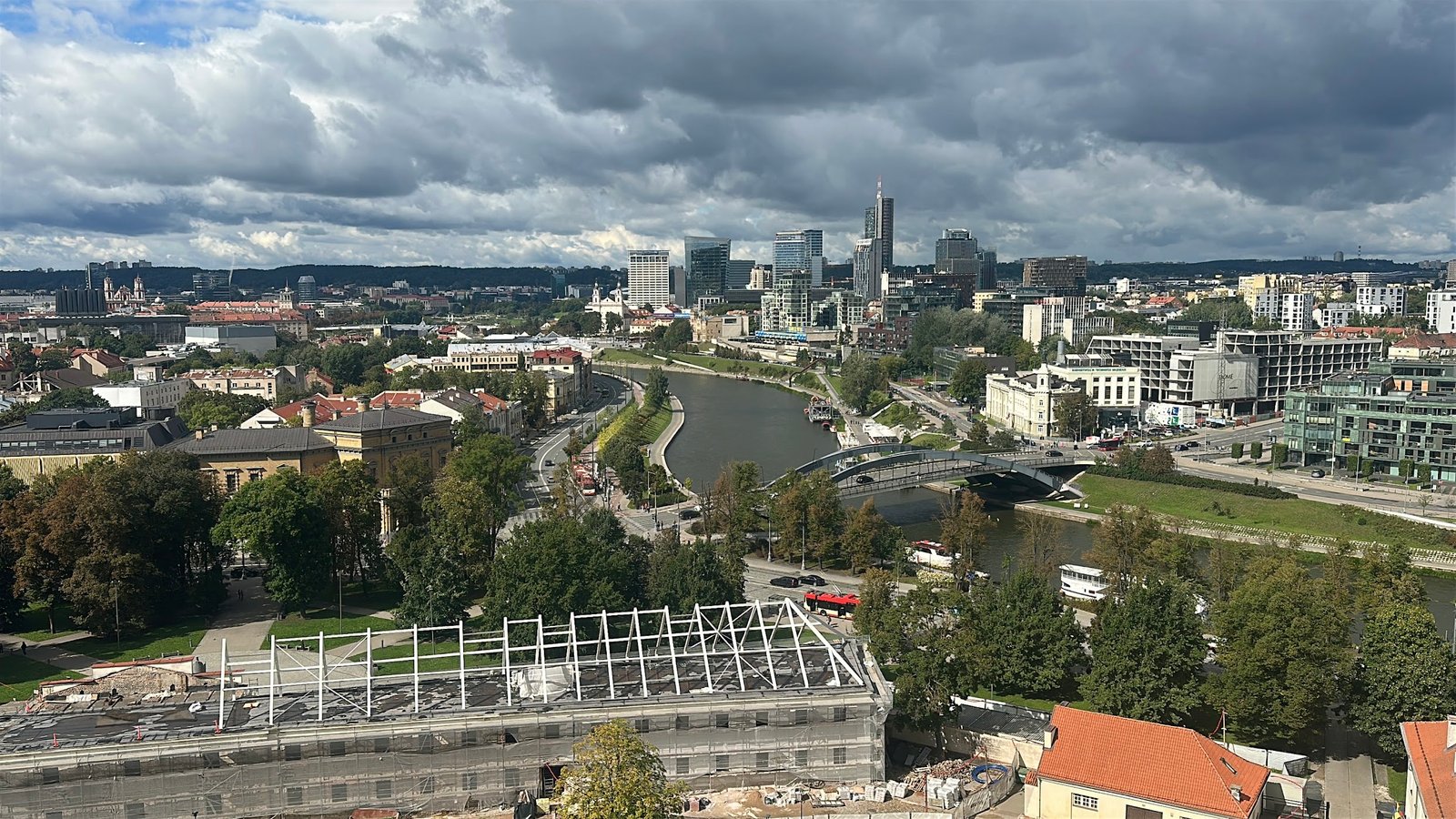
After Poland, we made our way to Lithuania for another quick stop — this time in Vilnius. We only had two days, and unfortunately, the weather wasn’t exactly cooperating. It was cold, rainy, and definitely felt more like fall than early September!
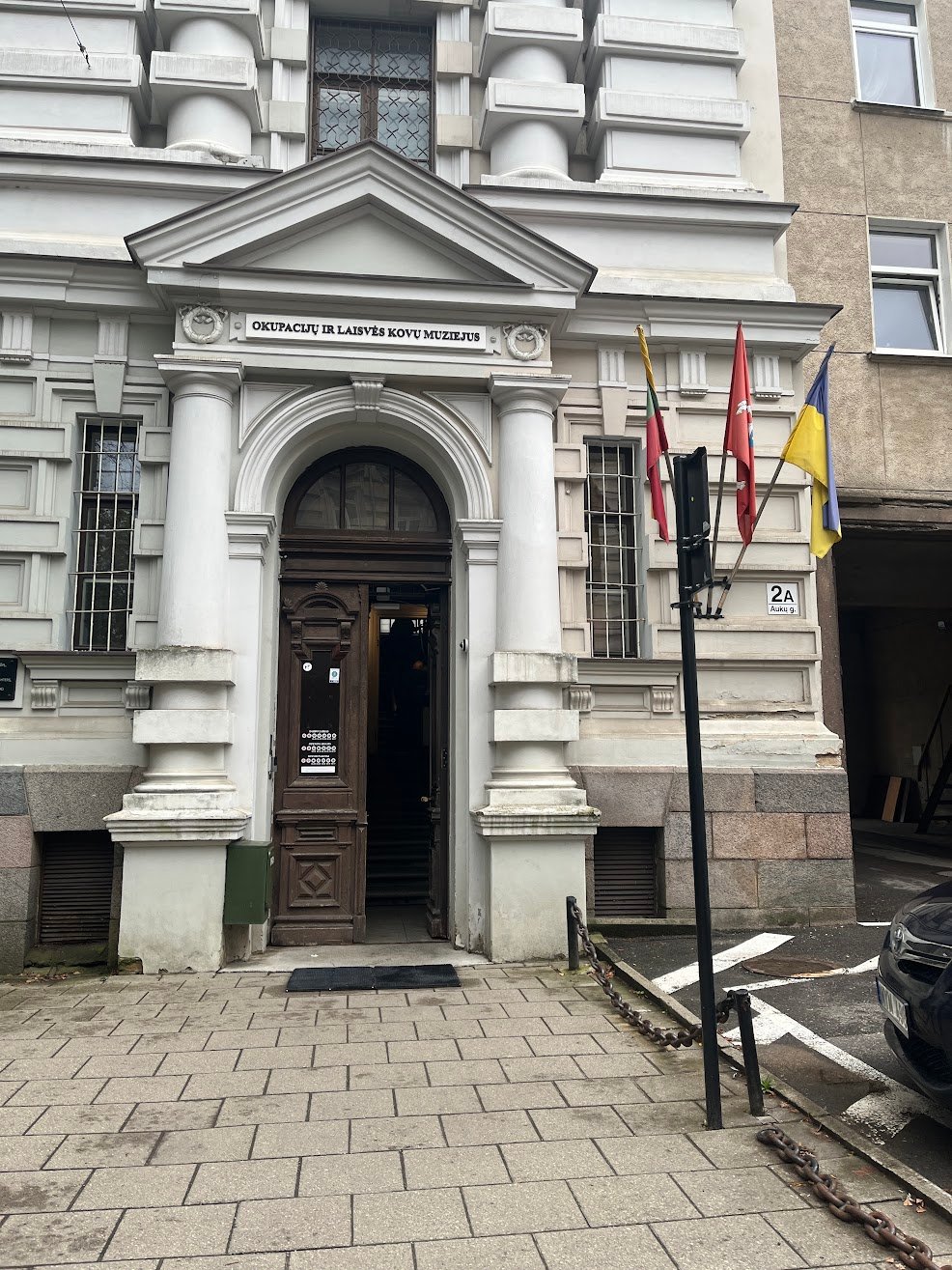
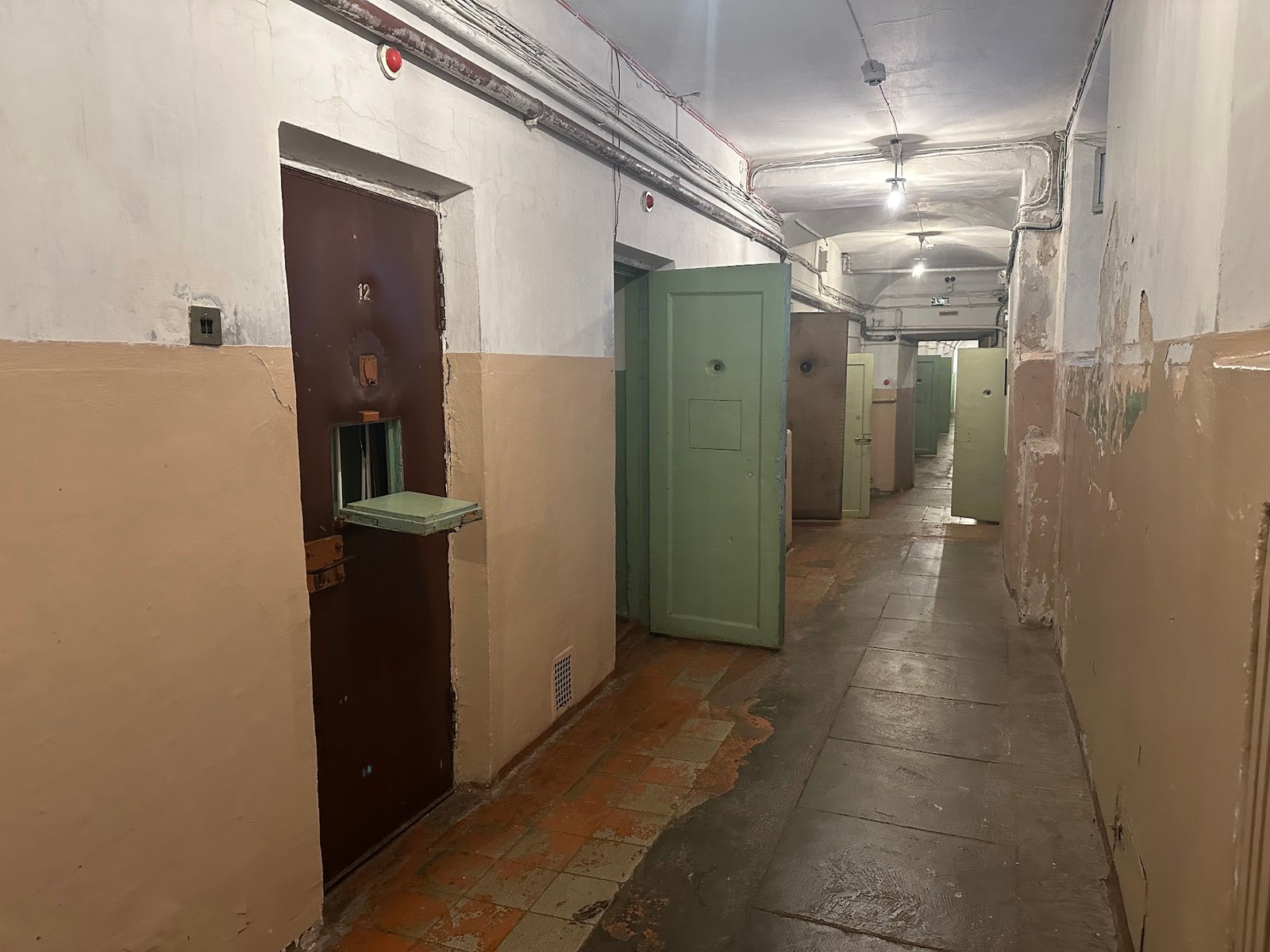
Our first stop was the Museum of Occupations and Freedom Fights, often called the KGB Museum. The museum is housed in the building where Soviet security and repressive institutions operated from 1940 until 1991, and the basement still contains the former prison and interrogation cells. Once again, we found ourselves learning about some incredibly heavy history. Lithuania was occupied first by the Soviet Union, then Nazi Germany, and then again by the Soviet Union. The museum focuses heavily on the Soviet occupation, the resistance, deportations, political prisoners, and the people who fought for Lithuanian independence.
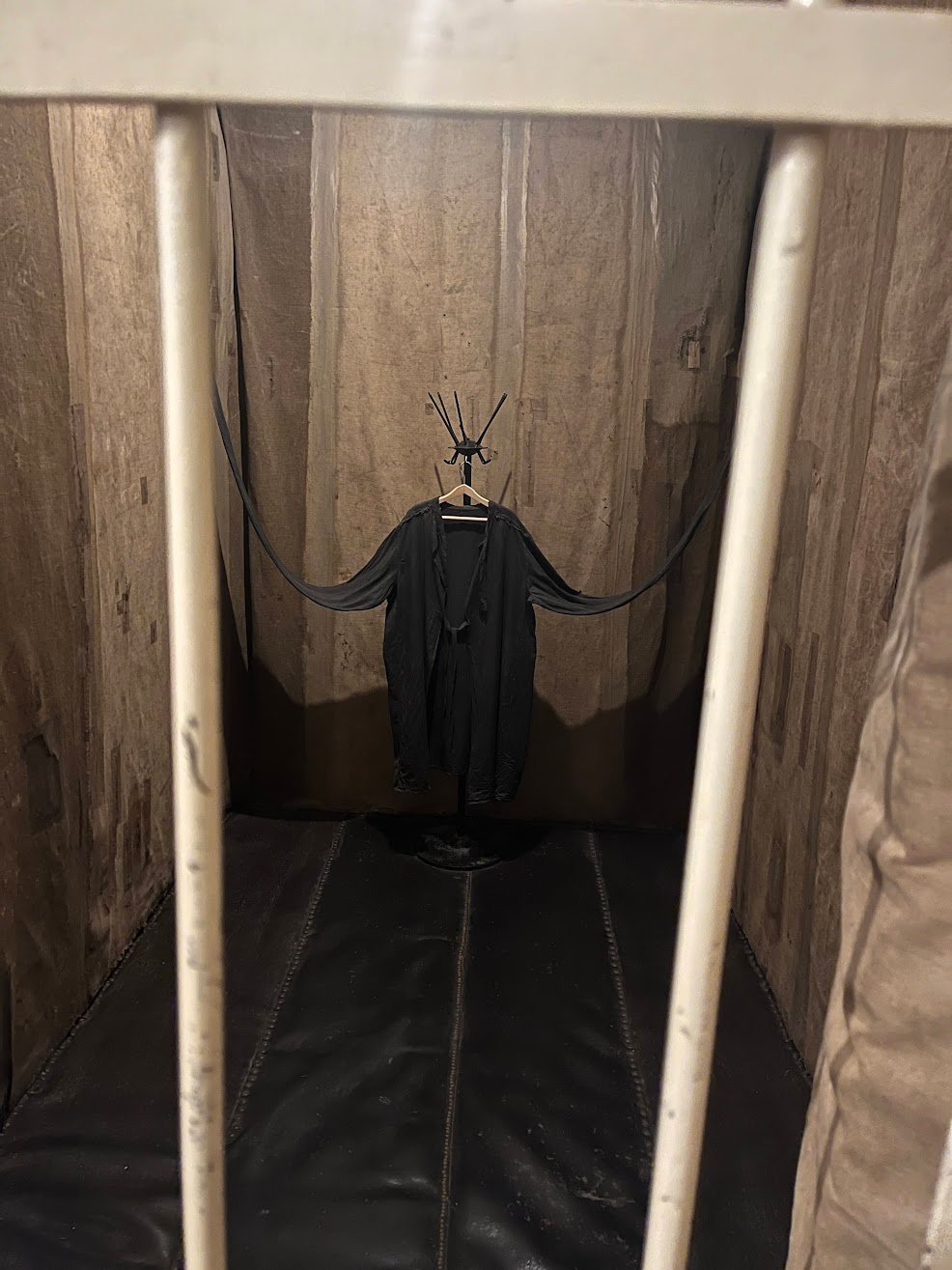
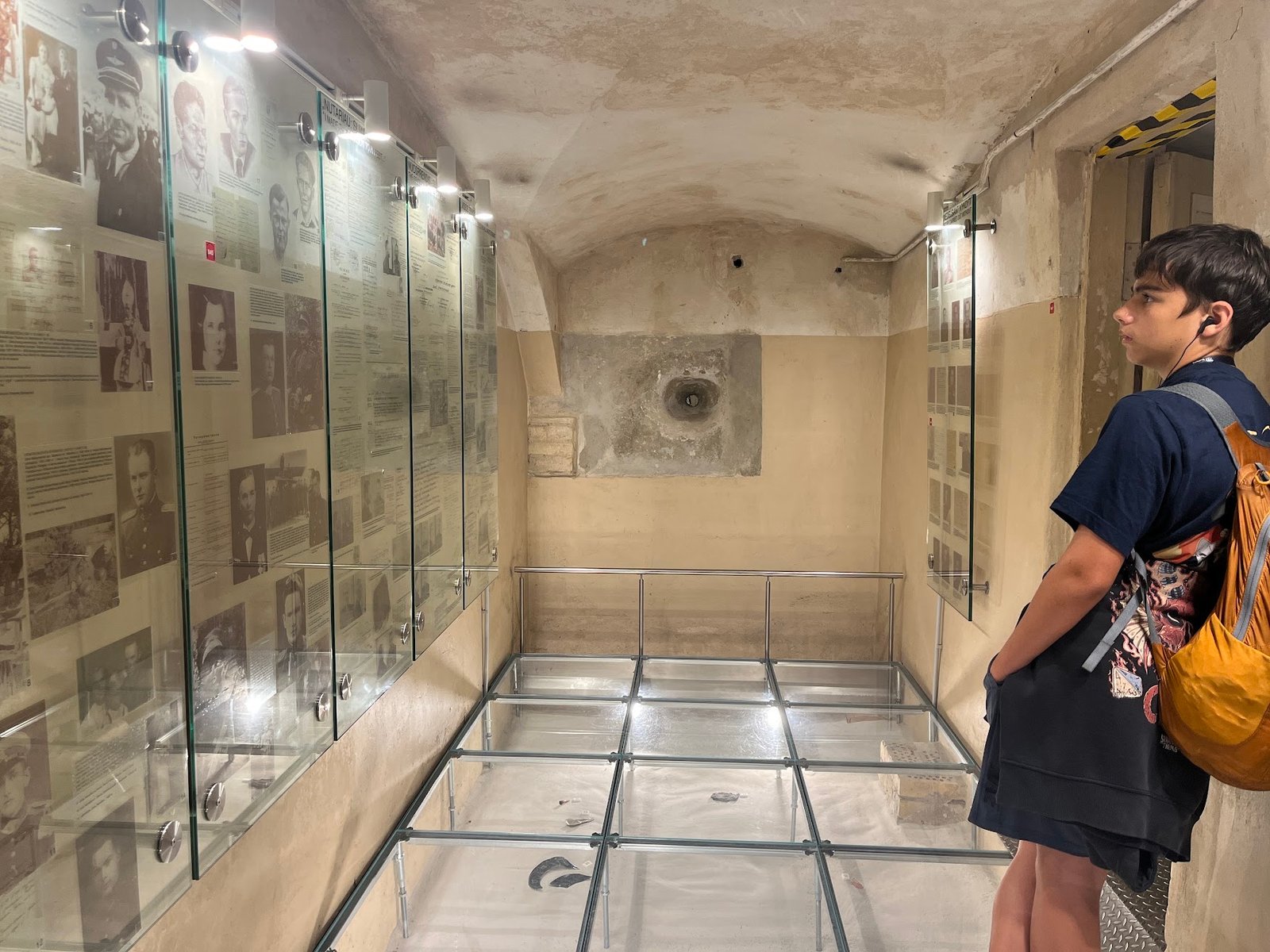
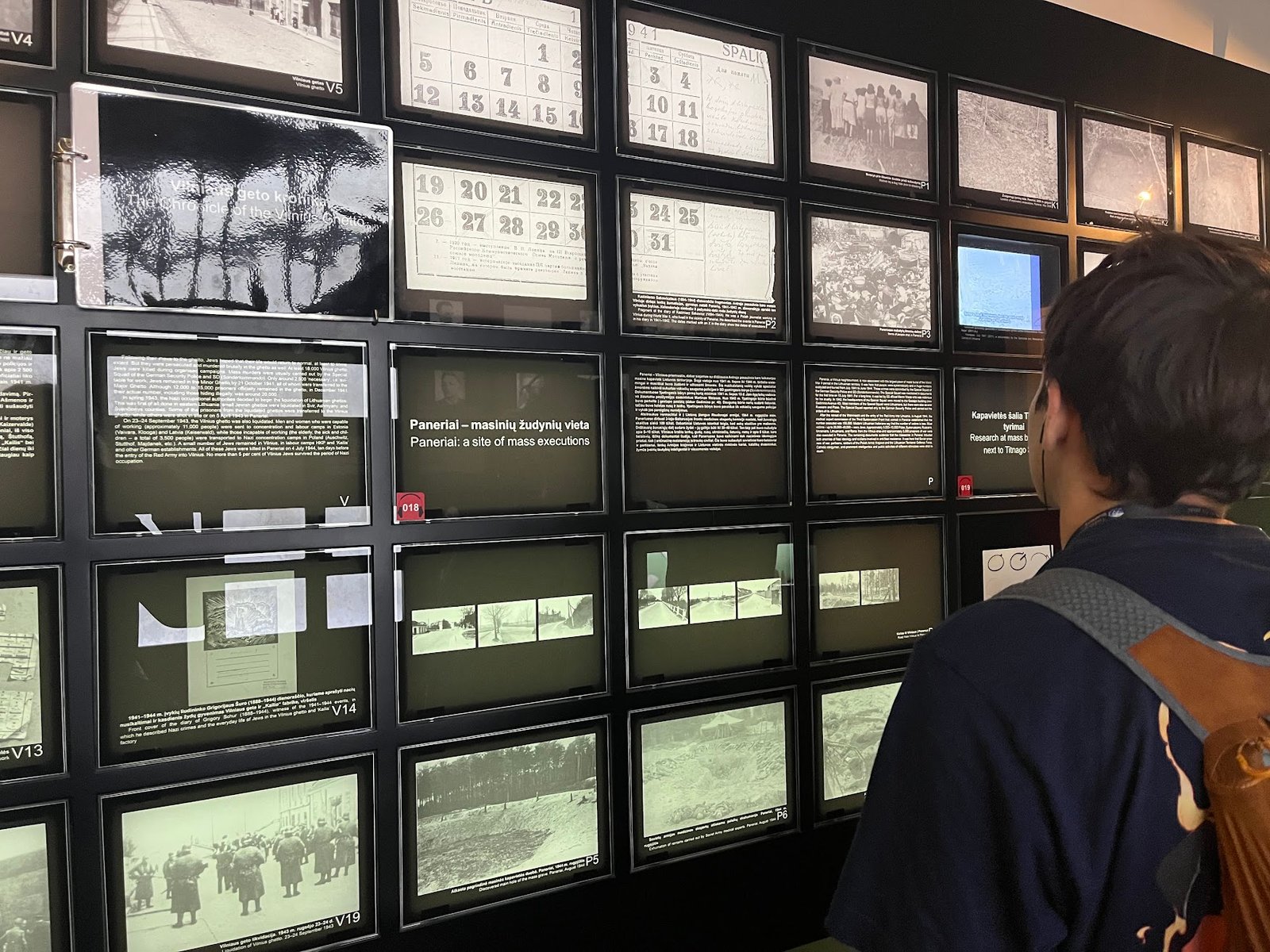
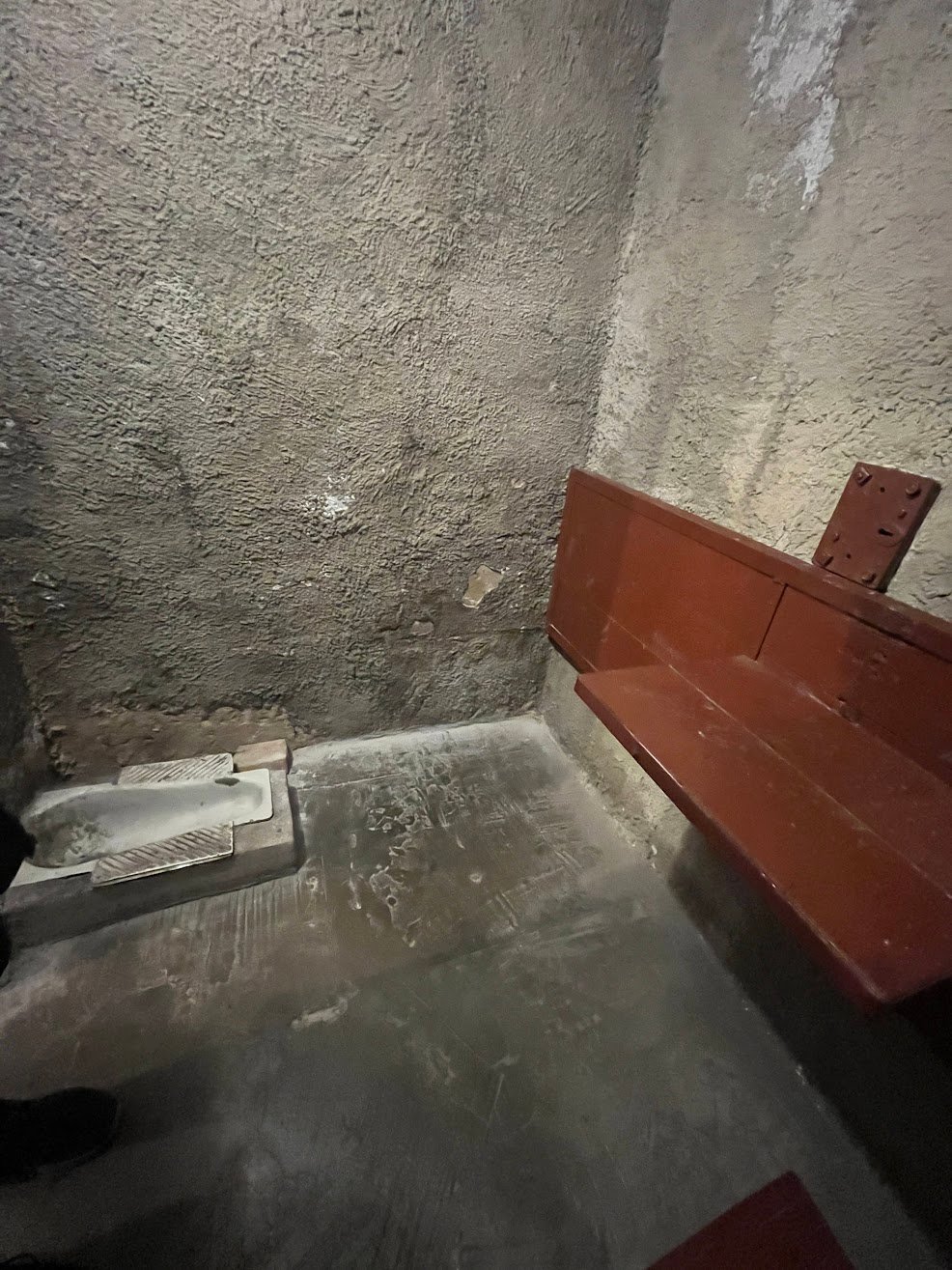
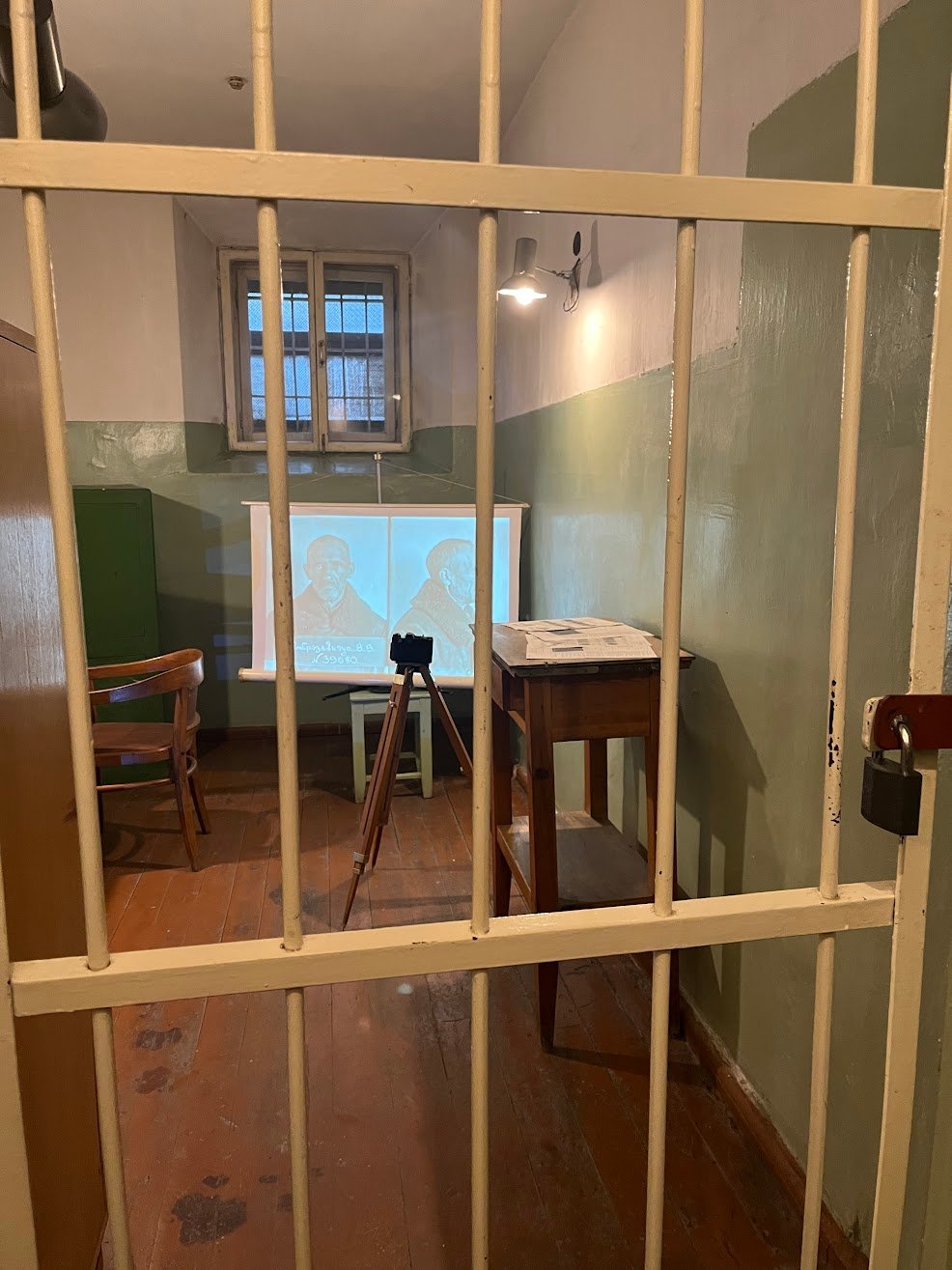
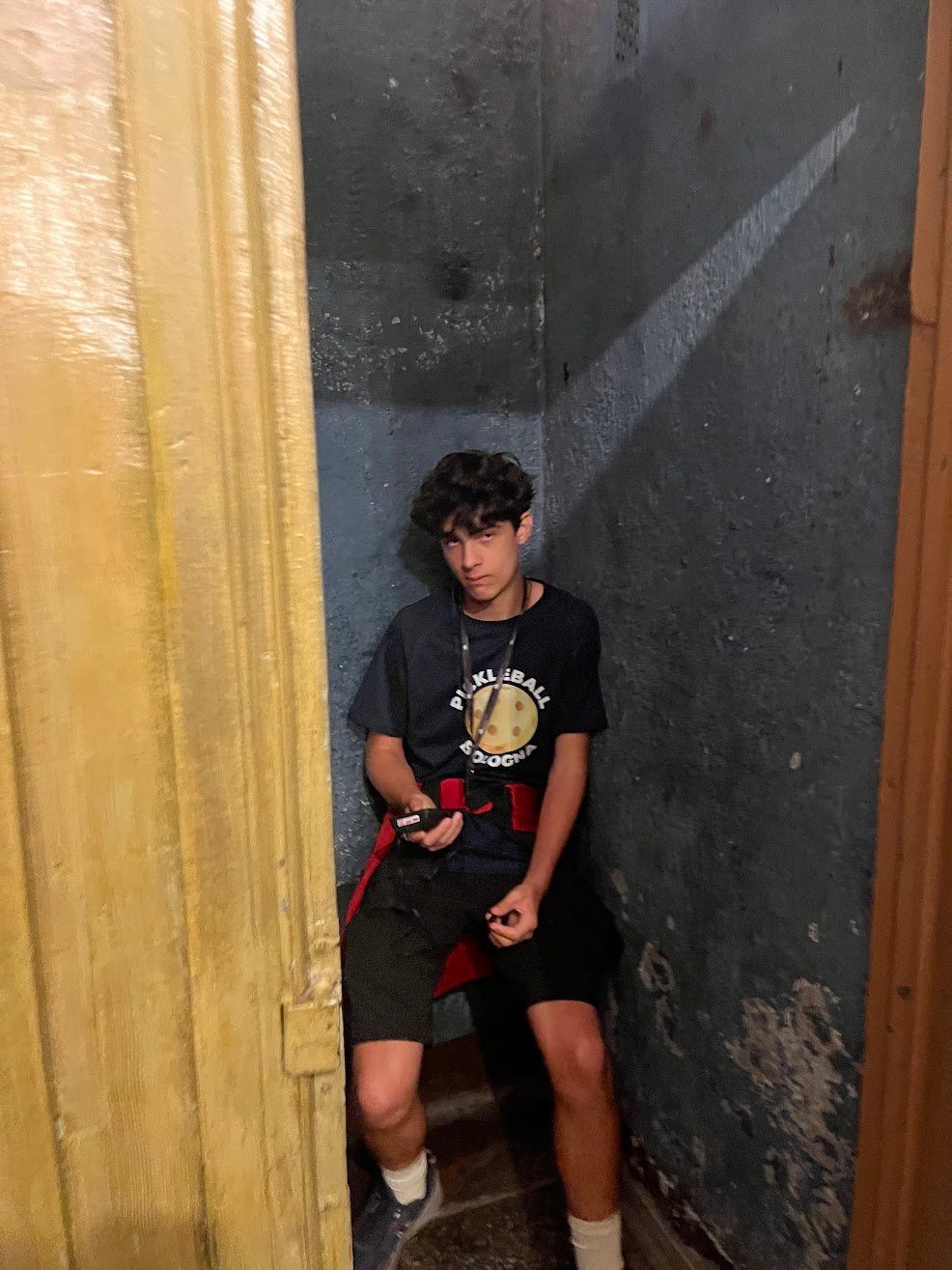
What struck us was just how recent this history is. Michael and I were alive when Lithuania was still part of the Soviet Union. It’s strange to stand in a place and learn about something that feels like ancient history, only to realize that it happened within our own lifetimes. The museum reminded us again how complicated this part of Europe’s history has been. We’ve visited several places on this trip that have dealt with war, occupation, persecution, and the fight for freedom. It’s not always easy to learn about, but it’s important not to ignore it.
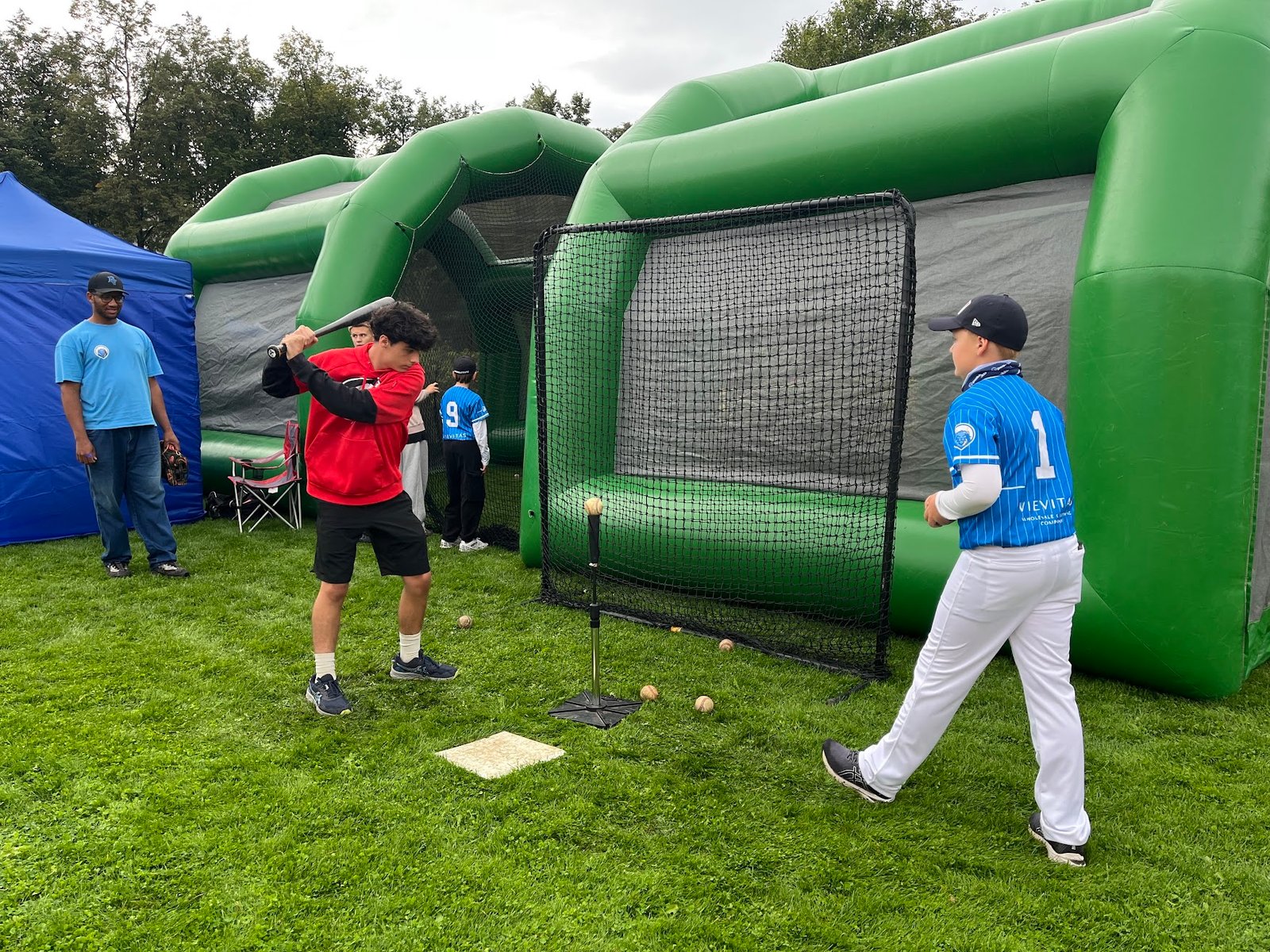
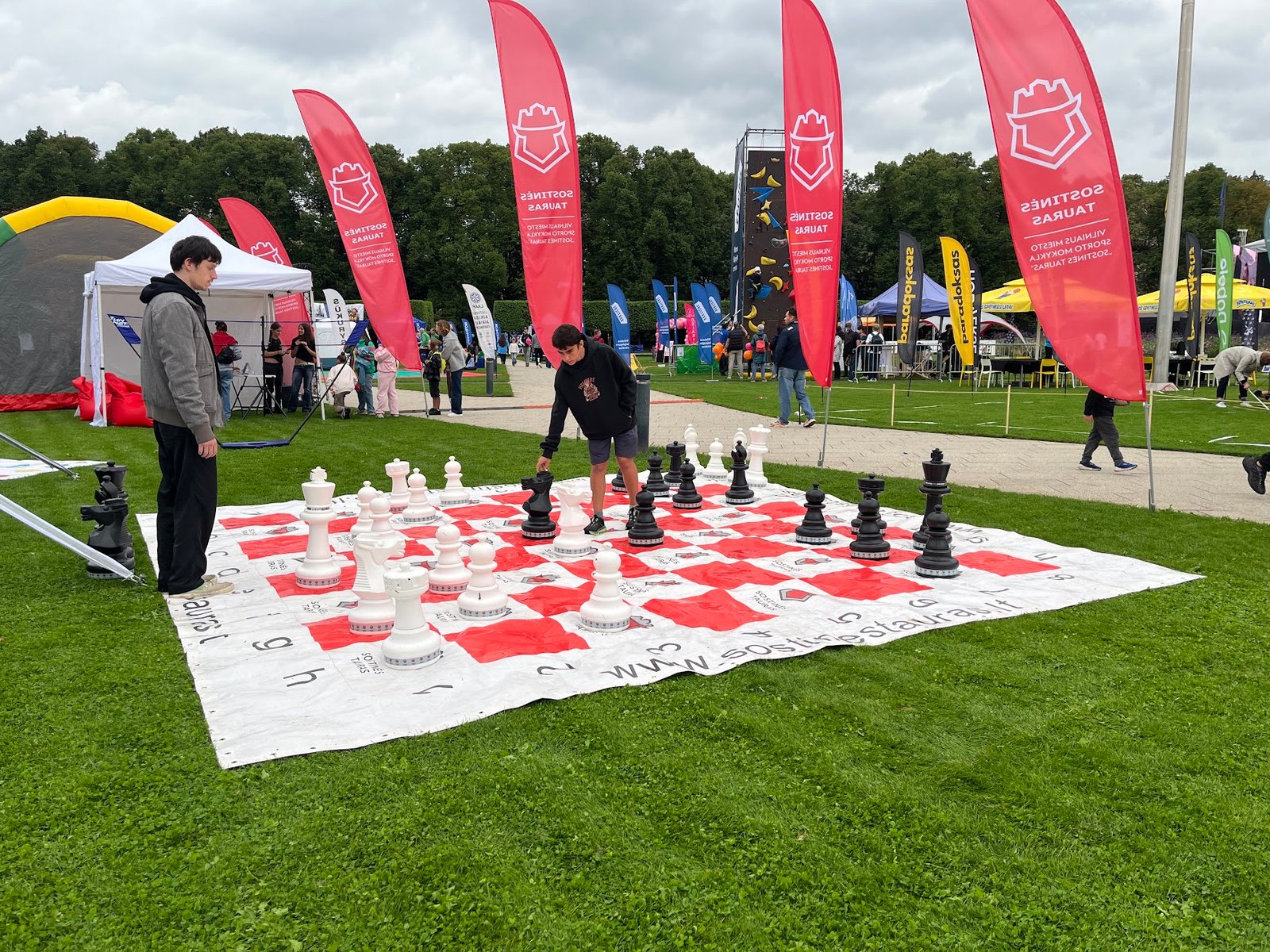
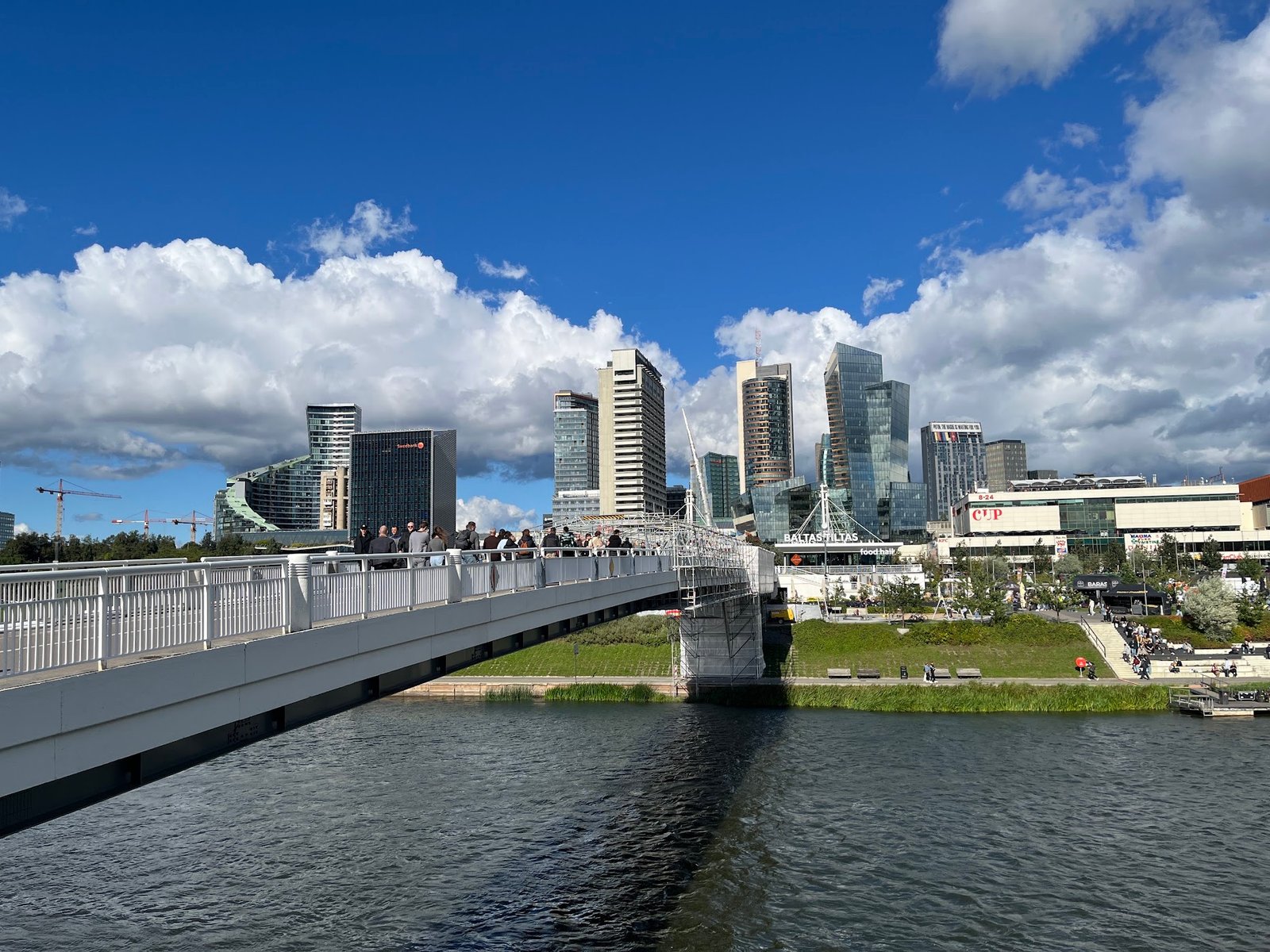
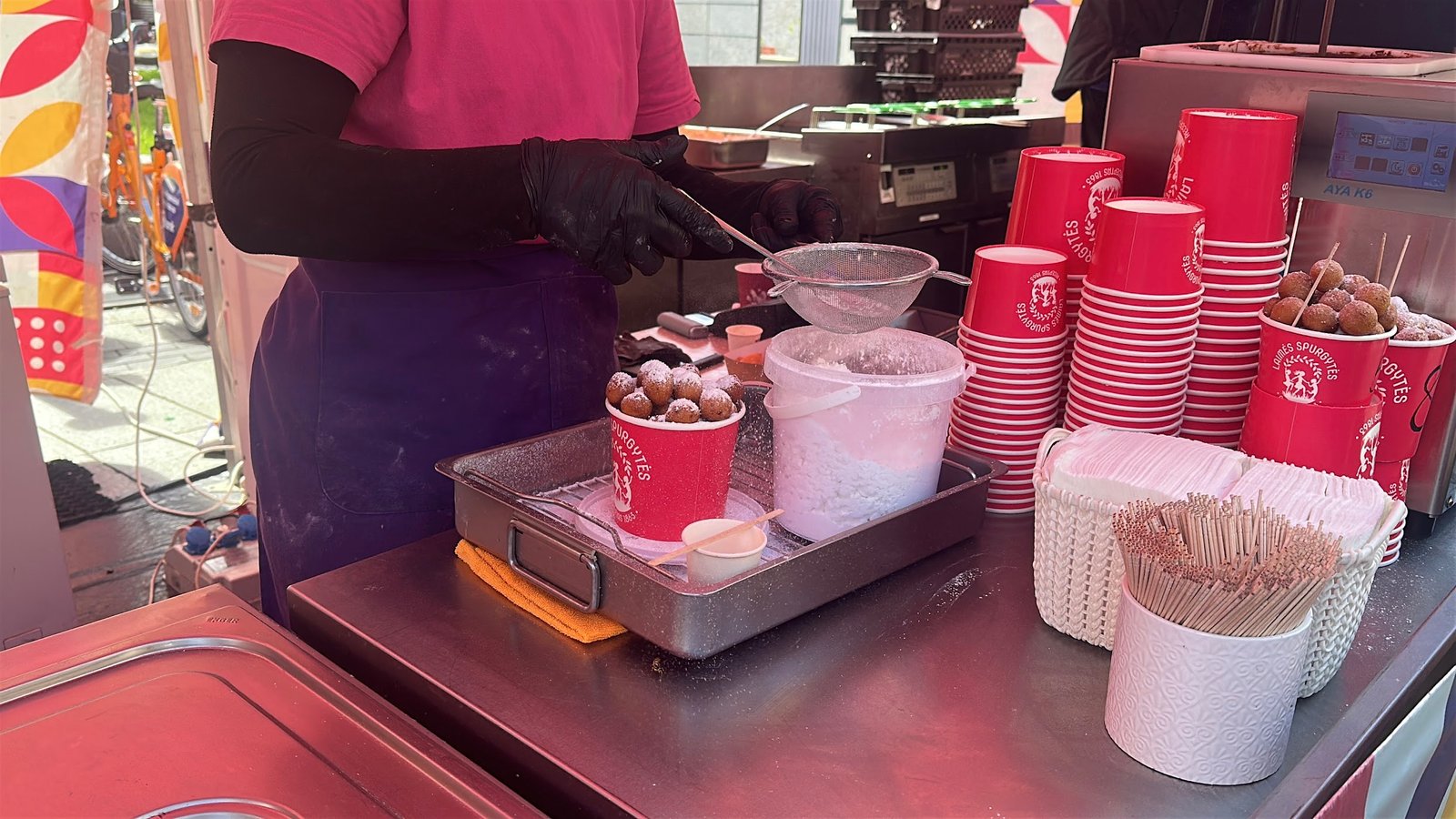
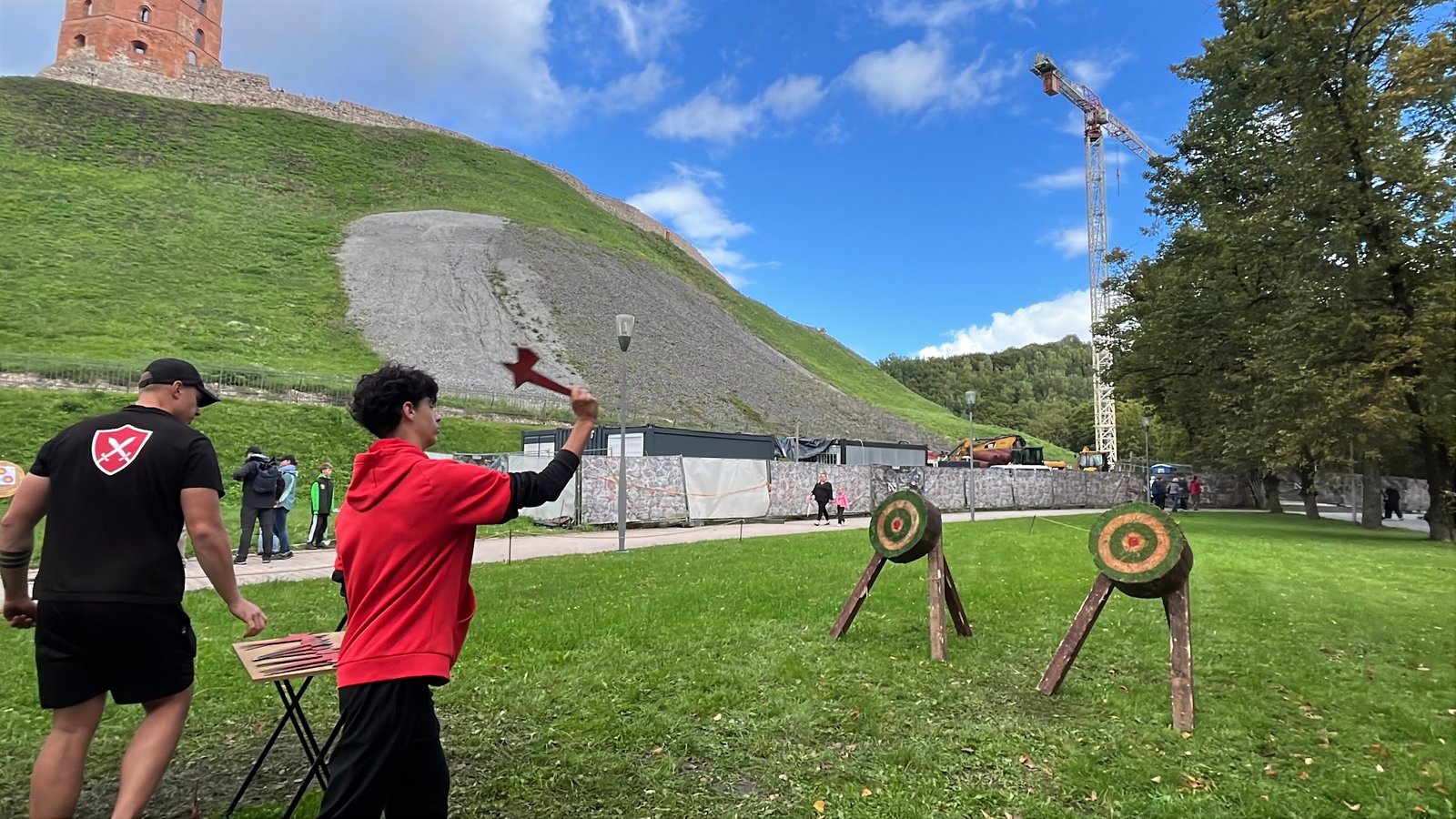
And then, because this is our family and we rarely stick to a strict itinerary, we walked out of a very heavy museum and stumbled right into a festival! We happened to be in Vilnius during Vilnius Days, the city’s huge annual celebration, which included music, food, cultural events, and a massive sports festival. Lucas found a sports exhibition where he got to hit some baseballs and throw some footballs. And yes, Lithuania actually has an American football team!
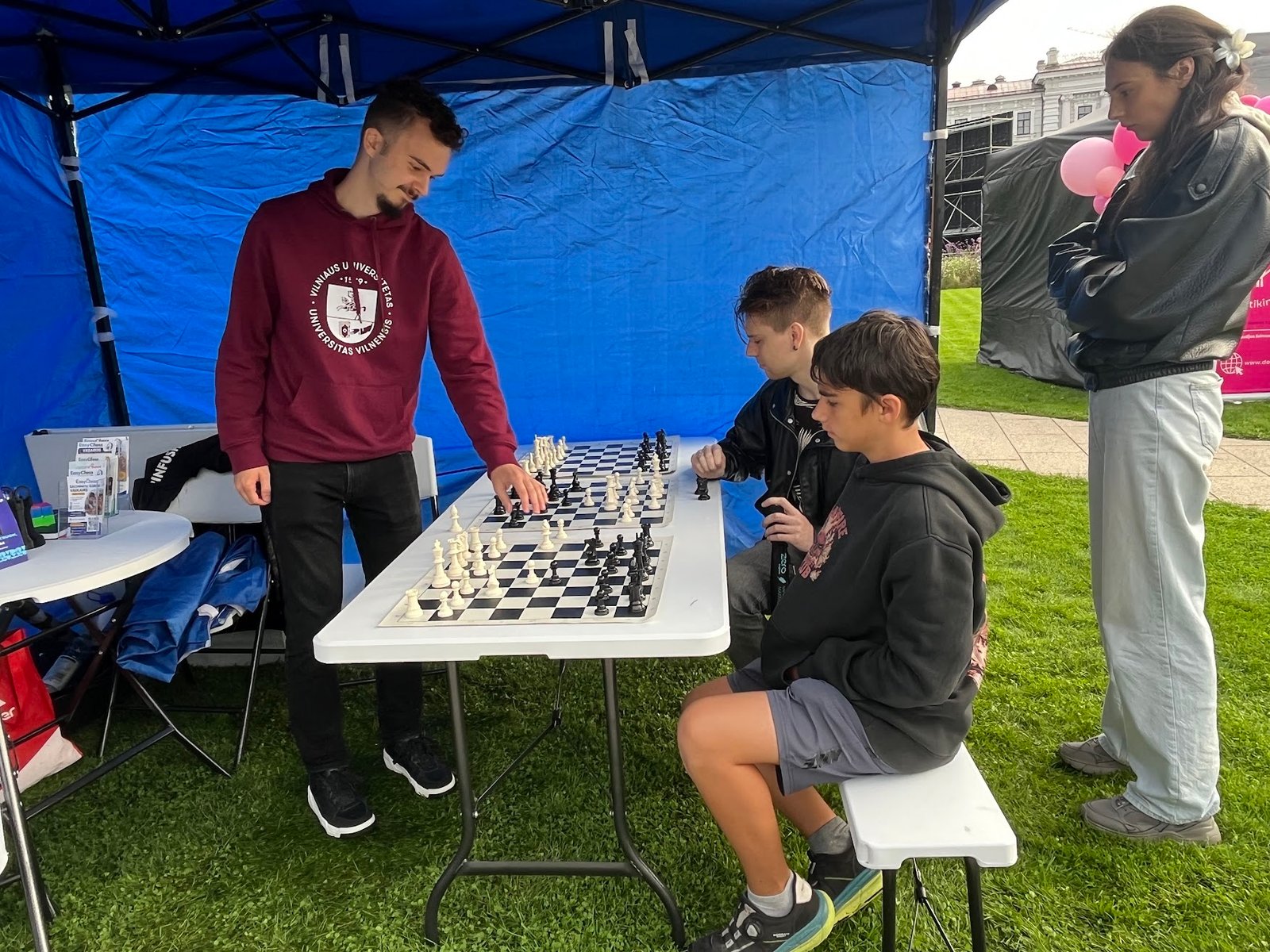
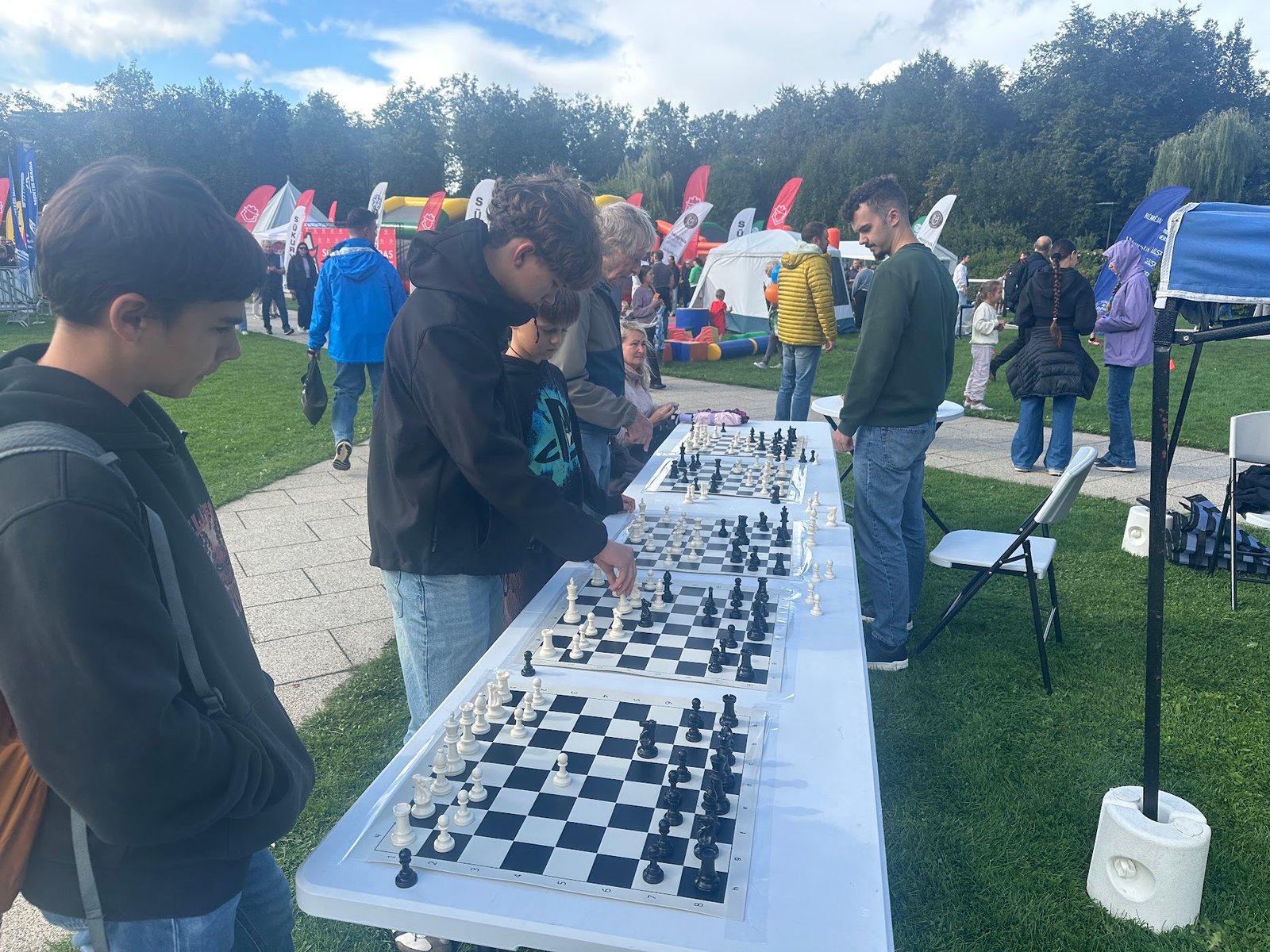
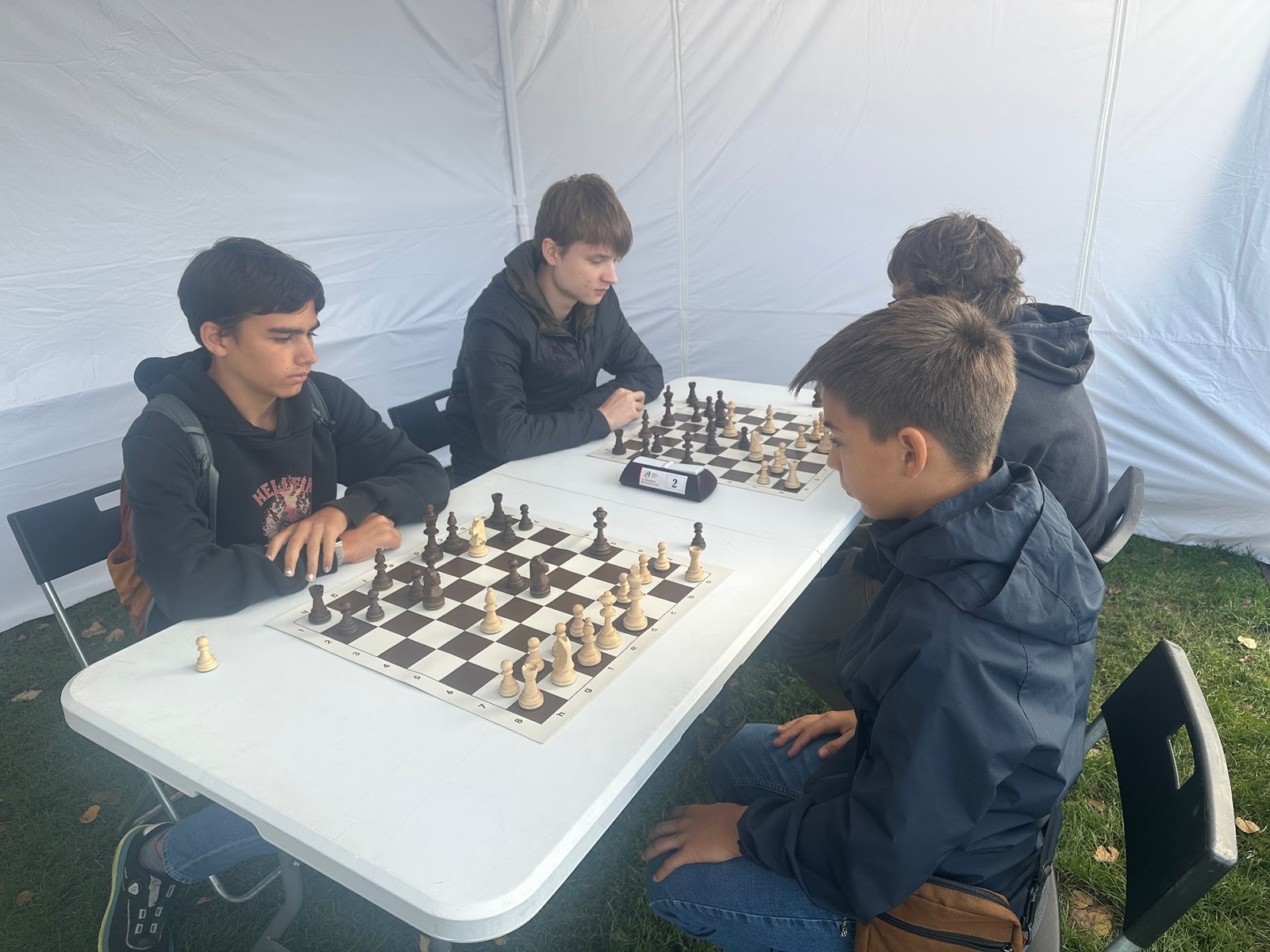
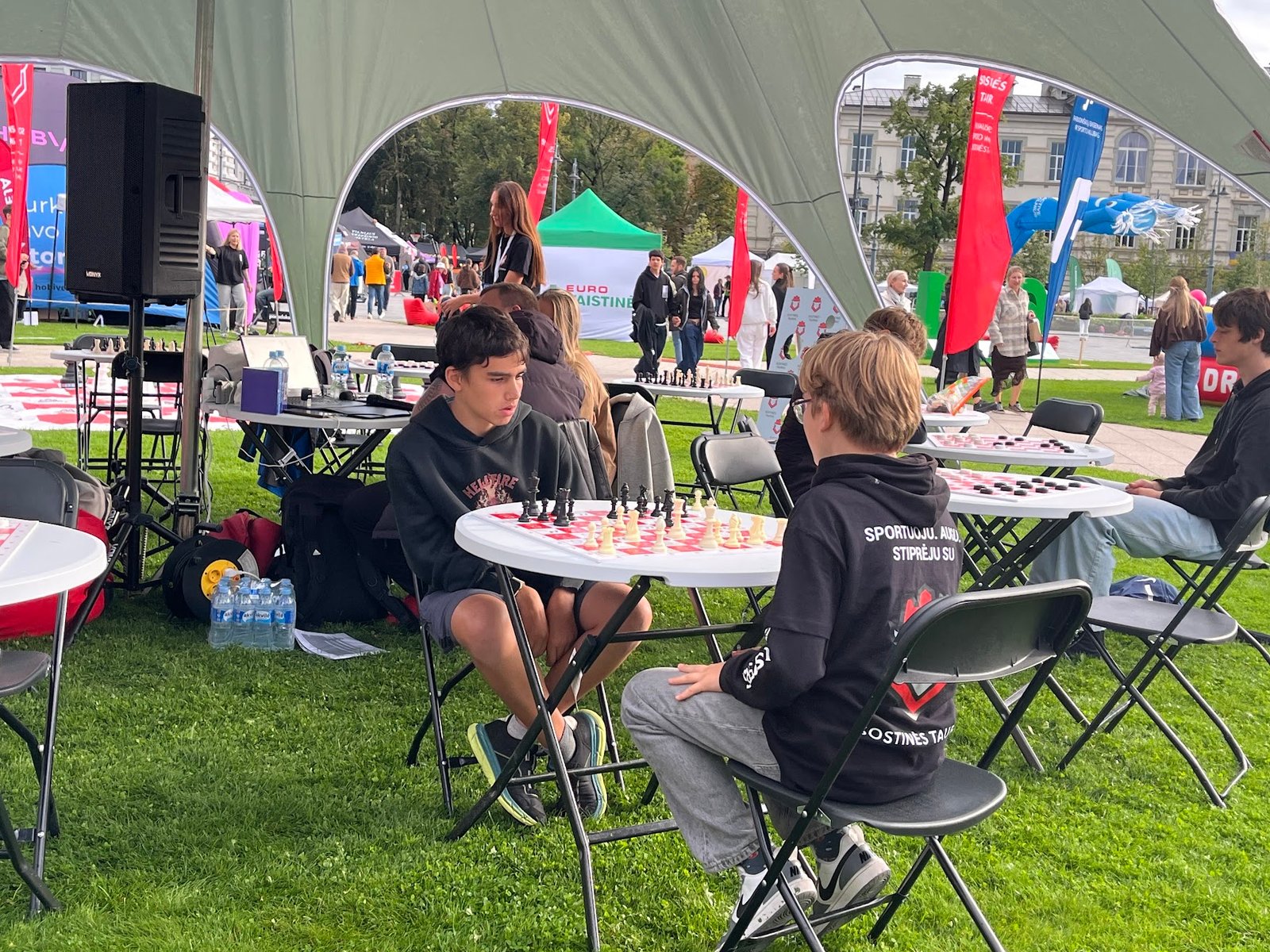
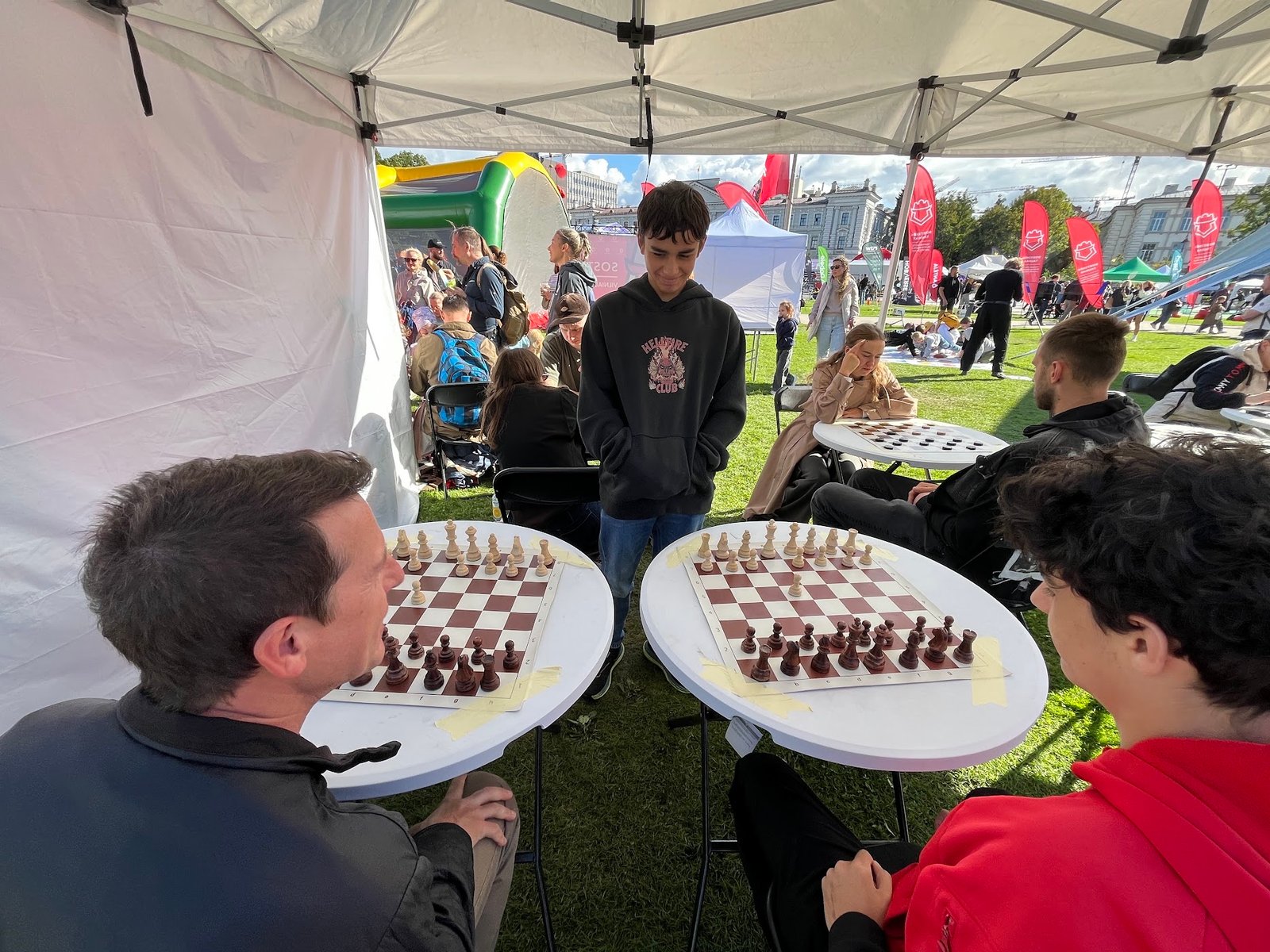
Meanwhile, Henry discovered a chess area and basically disappeared for hours. He loved it so much that he went back the next day. He got the opportunity to play against a member of the Lithuanian National Chess Team — and he held his own! Watching him sit there completely focused, playing chess against someone at that level was fun.
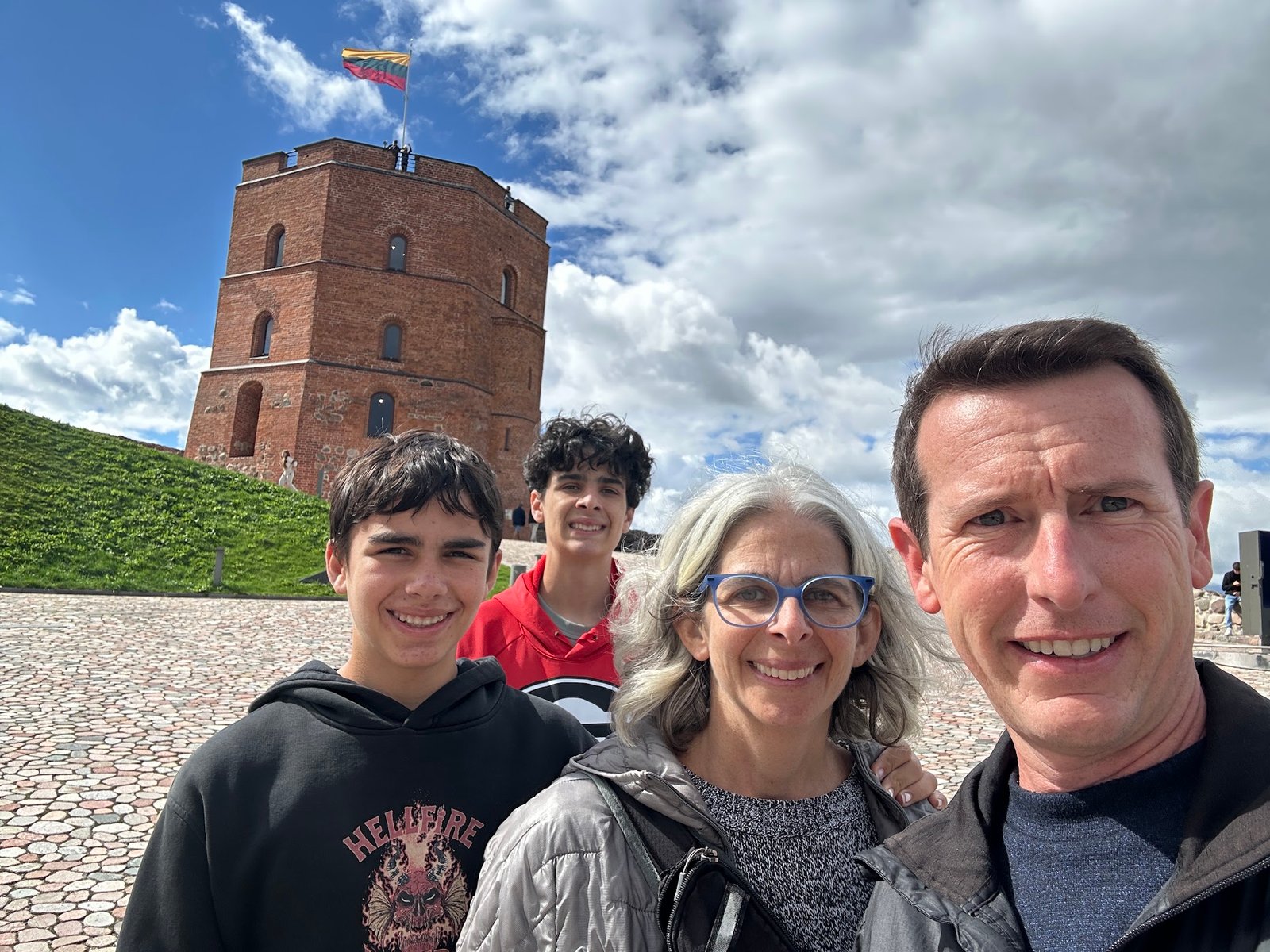
For me, Lithuania also has an extra personal connection. I have ancestors from Lithuania, although they weren’t from Vilnius. Knowing that some of my family history traces back to this country made walking through Lithuania feel a little more meaningful.