When we first started worldschooling, there were so many things we worried about. Things that felt big and urgent at the time—grade levels, benchmarks, whether we were “doing enough,” whether our kids were somehow missing something essential.

Over time, many of those worries have quietly fallen away. Not because we stopped caring about our kids’ education, but because we started seeing a different kind of learning take root—one that doesn’t fit neatly on a transcript but shows up clearly in everyday life.
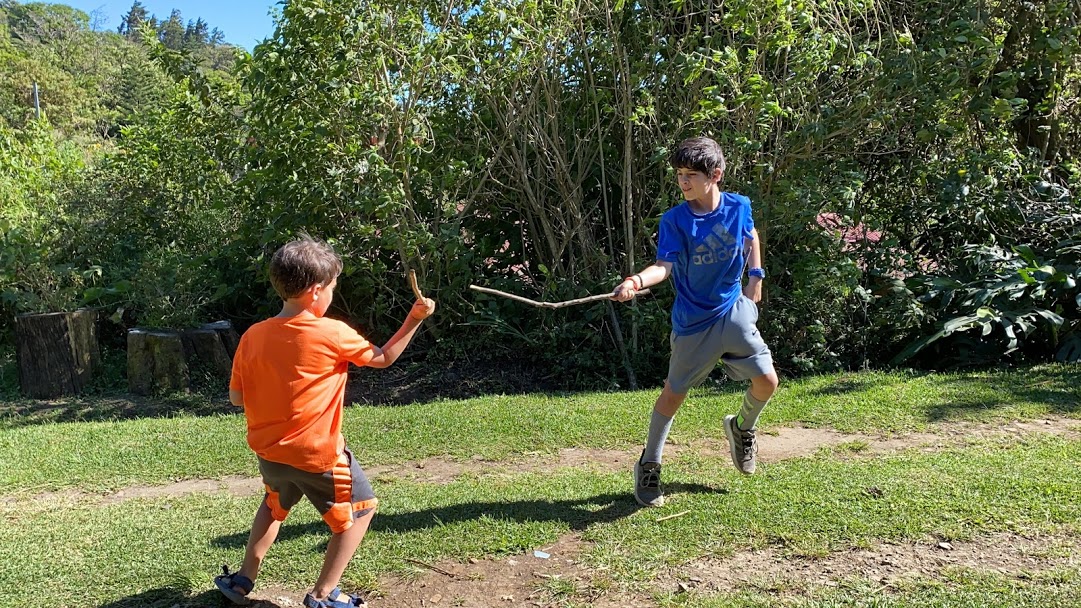

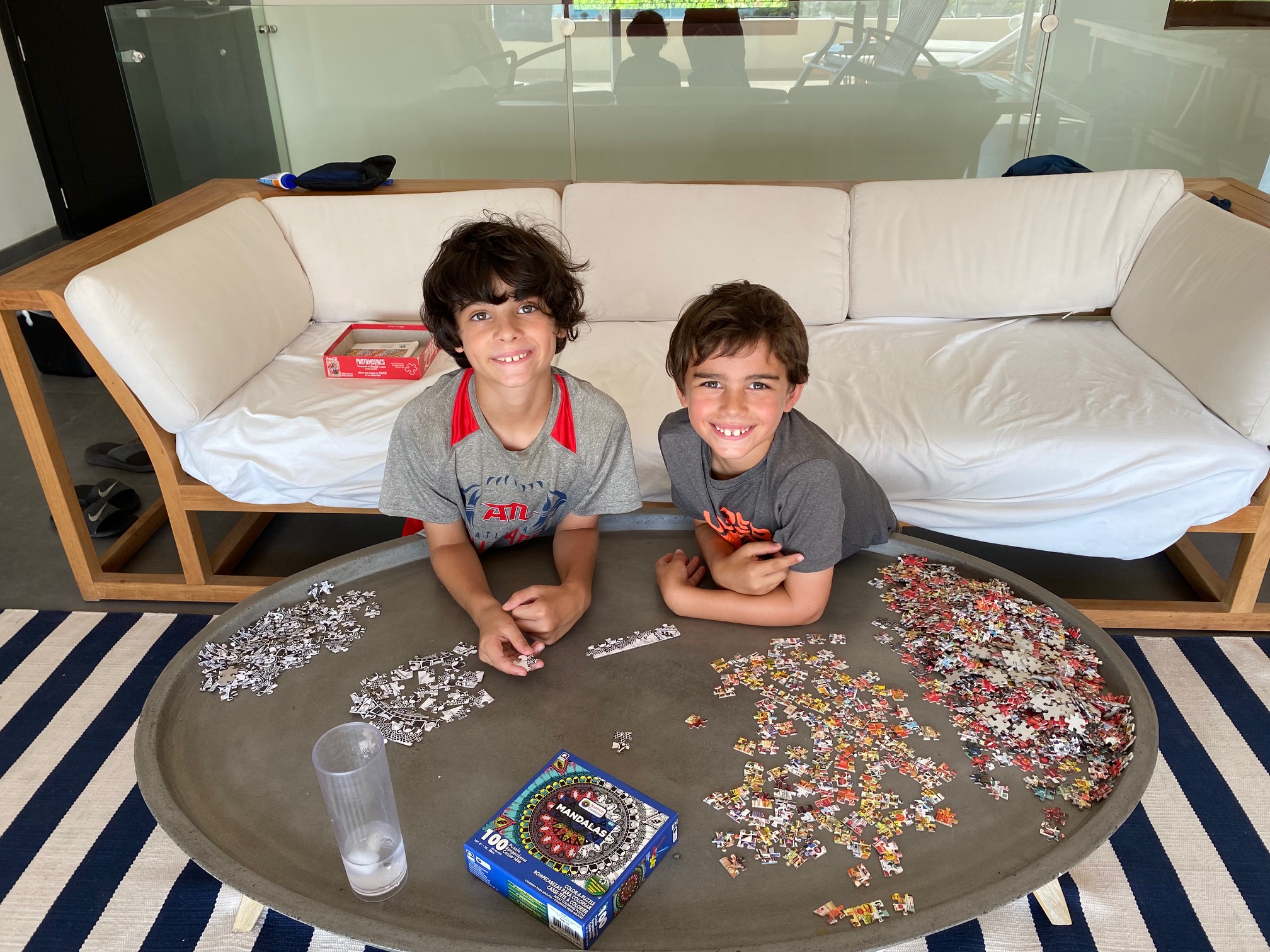

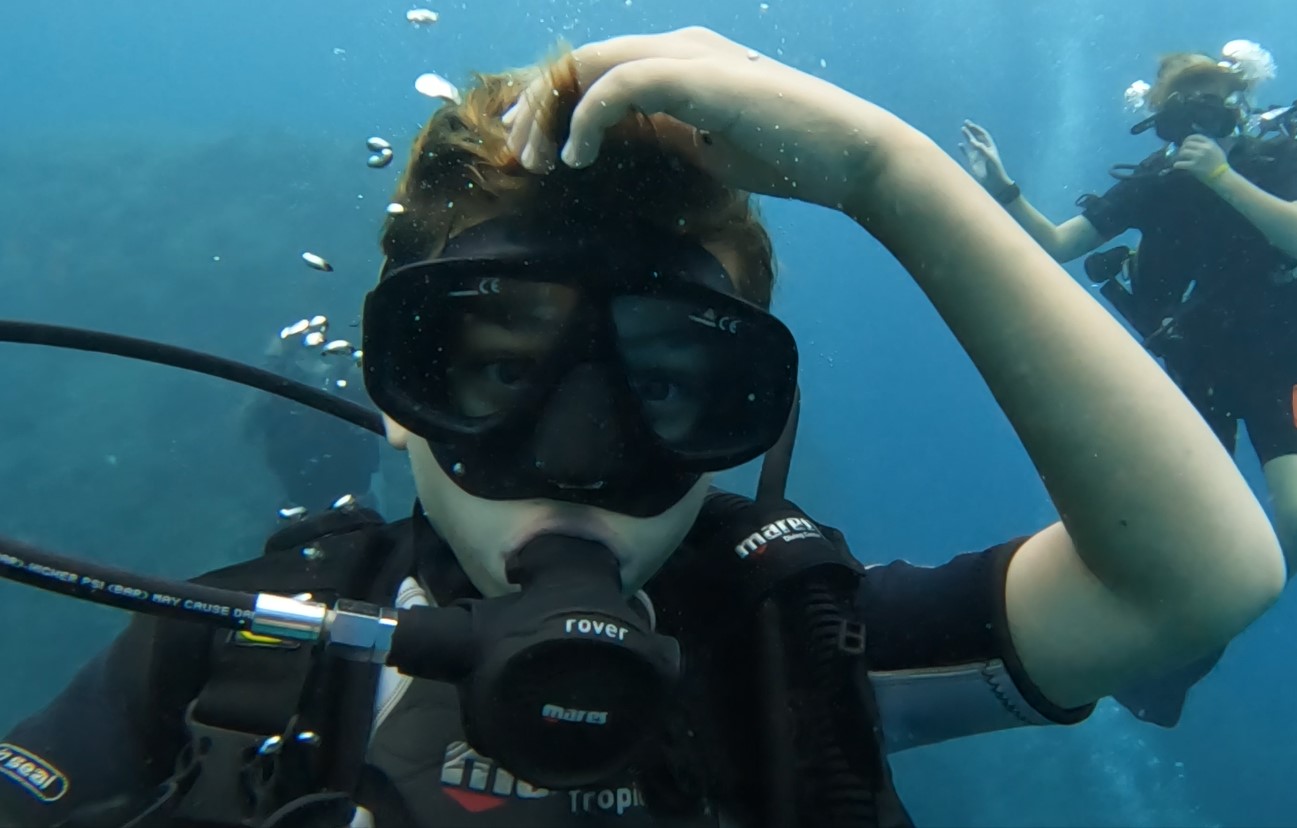
Here are some of the skills we see developing now in Lucas and Henry and the stresses we’ve learned to let go of along the way.
Adaptability Instead of Predictability
We no longer stress about having a perfectly consistent routine or long-term plan. Worldschooling has taught Lucas and Henry how to walk into new situations, read the room, and adjust. They’ve learned how to navigate unfamiliar systems, manage uncertainty, and stay flexible when plans change.
We move often. Everywhere we go, we have to figure out life — Where is the grocery store, what is the laundry situation, what do we need for our accommodation? We are often navigating these things in a country where English is not the main language. It can be challenging, and you have to be adaptable in order to constantly thrive in this type of situation. These aren’t skills you can test easily, but they’re invaluable in real life.
Problem-Solving Over Perfect Answers
We’ve stopped stressing about whether Lucas and Henry know the “right” answer right away. Instead, we see them learning how to figure things out—how to research, ask questions, troubleshoot, and try again.
They are teenagers now, and we do not do everything for them. We are helping them learn independence, and they cannot do that if we are always solving their problems. Its ok that they struggle sometimes to figure things out. In most situations, it’s not the final answer that matters, it’s how you got there.
Whether it’s solving a practical problem, navigating logistics, or working through a challenge with others, they’re building confidence in their ability to handle what comes next.
Self-Direction Instead of Constant Motivation
We no longer worry as much about keeping them motivated every single day. Without bells, grades, or external pressure, our kids are learning how to manage their own time and energy.
Lucas and Henry are moving towards goals. When they are working on a class or fitness objective, or some interest or hobby, they put in the effort. They’re discovering what interests them, when they work best, and how to follow something through because they care about it—not because someone is watching.
Communication and Social Awareness
We’ve stopped stressing about traditional socialization. Worldschooling has given our kids daily practice in communicating with people of different ages, personalities, and backgrounds.
We often live with other families, and that provides a lot of practice in navigating life with and around others.
They’re learning how to collaborate, advocate for themselves, negotiate shared spaces, and resolve conflict. These social skills are nuanced and ongoing—and they grow with experience, not worksheets.
Physical and Emotional Awareness
We’ve stopped treating learning as something that only happens at a desk. Movement, rest, emotional regulation, and mental health are part of our everyday learning ecosystem. As teenagers, this is a critical time for Lucas and Henry to learn these lessons. Our kids are learning how their bodies work, what helps them feel balanced, and how to care for themselves over time. That awareness supports everything else they do.
Looking Back
When we zoom out, we see that the things we once stressed over—pace, comparison, checking every box—have been replaced by something steadier. Our kids are becoming capable, curious, and adaptable humans. Not because we followed a perfect plan, but because we trusted the process and paid attention to what was actually unfolding.
The most meaningful outcomes of worldschooling don’t always come with documentation or proof. They show up in how our kids move through the world, relate to others, and believe in their ability to learn whatever they need next.