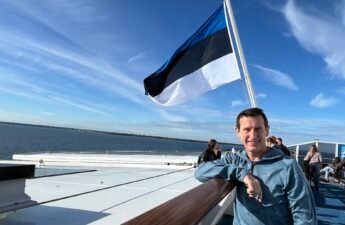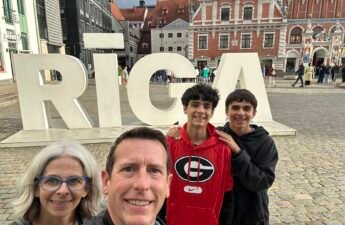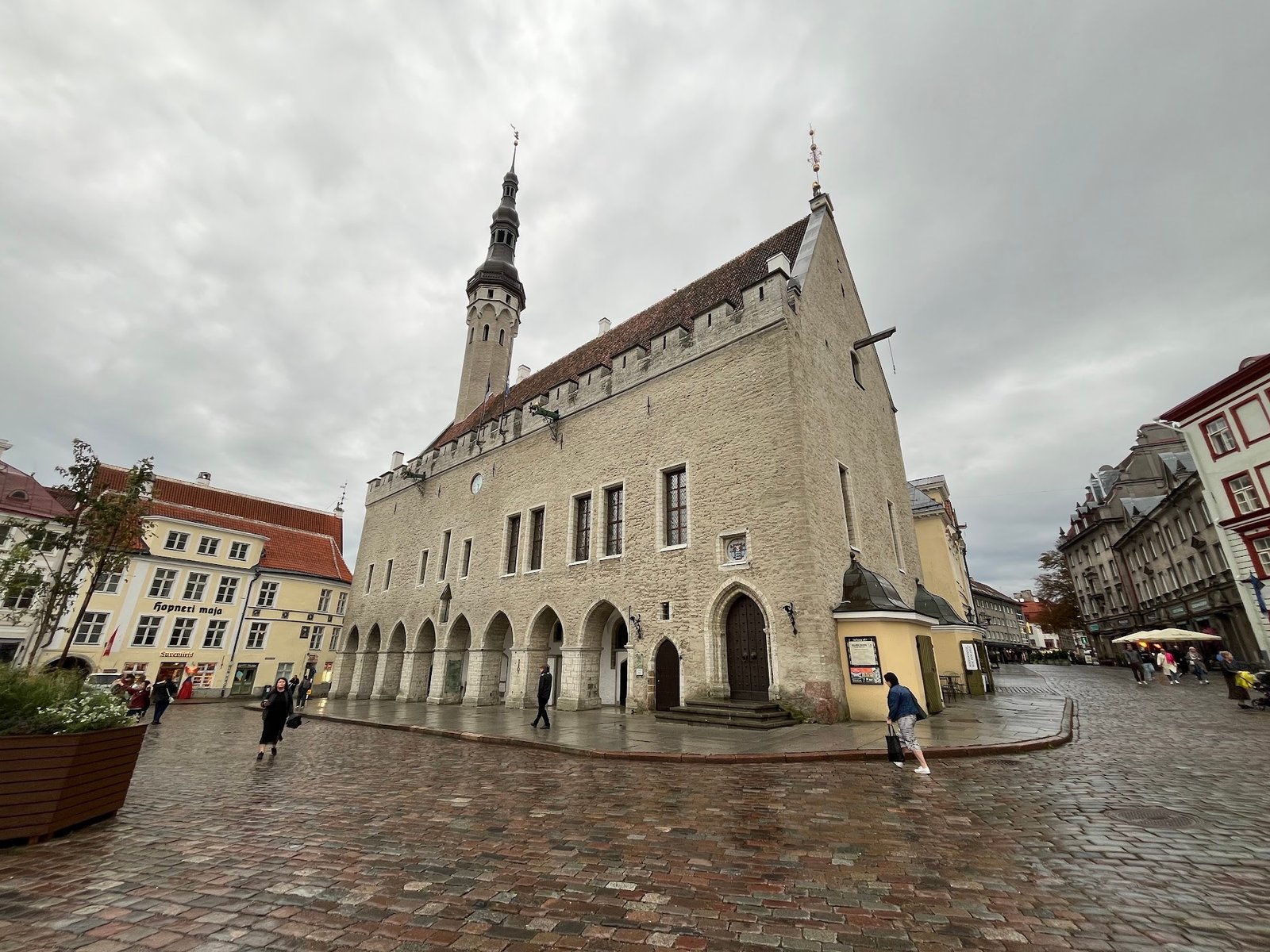
Estonia was a quick stop for Henry and me as we made our way through the Baltic countries, while Michael and Lucas stayed a few extra days to explore. Even with a short visit, we managed to squeeze in a little history, an unusual round of mini golf, and plenty of walking. We spent time wandering through Tallinn’s Old Town, and I was transported back to twenty years ago when I came to Estonia with my friend Maureen.
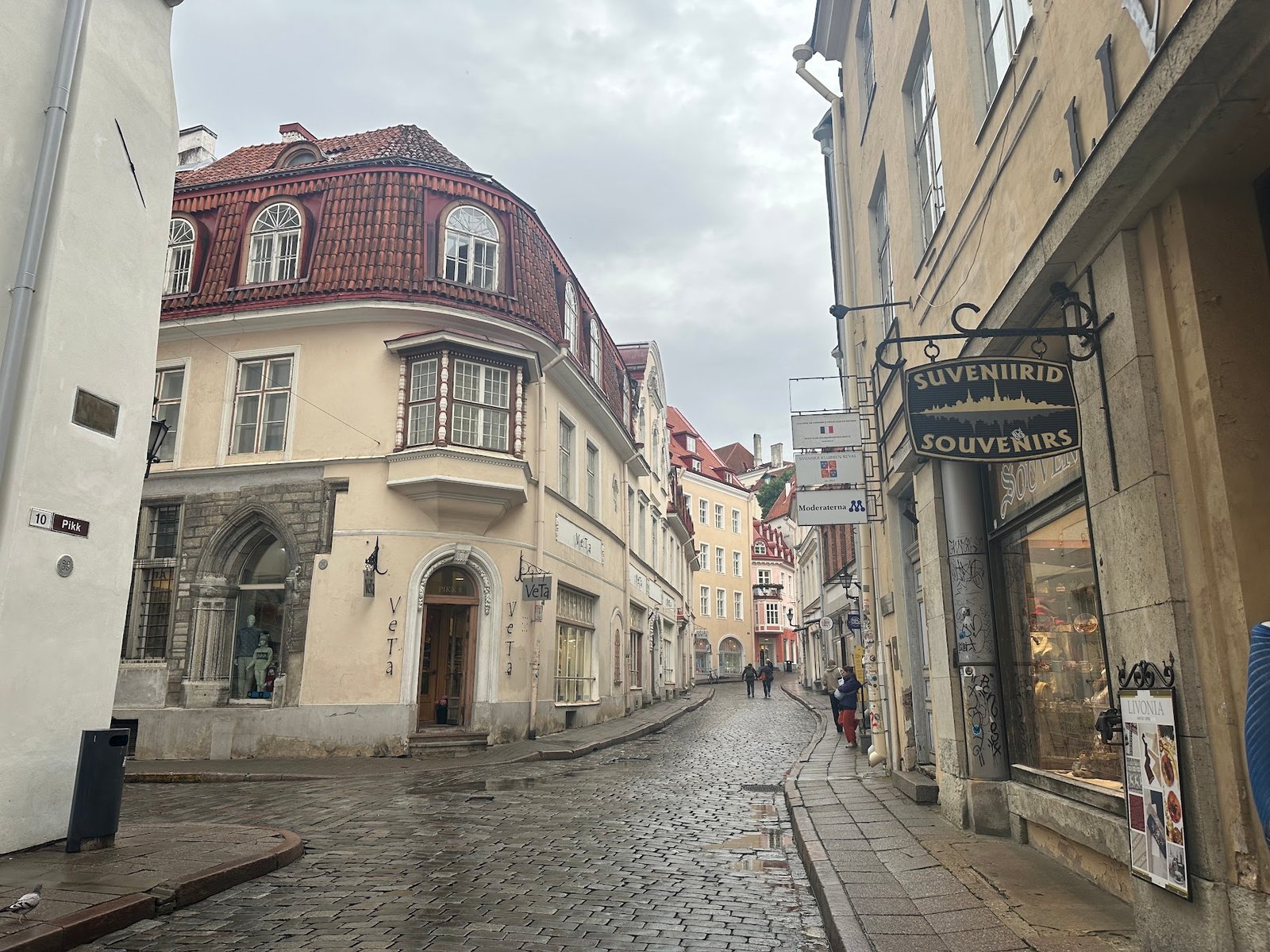
One thing I’ve loved about traveling through the Baltics is how each country has its own personality, but there are familiar threads connecting them. The old towns are a perfect example. They are full of winding cobblestone streets, historic buildings, towers, little passageways, and mysterious corners that make you want to keep walking to see what’s around the next turn.
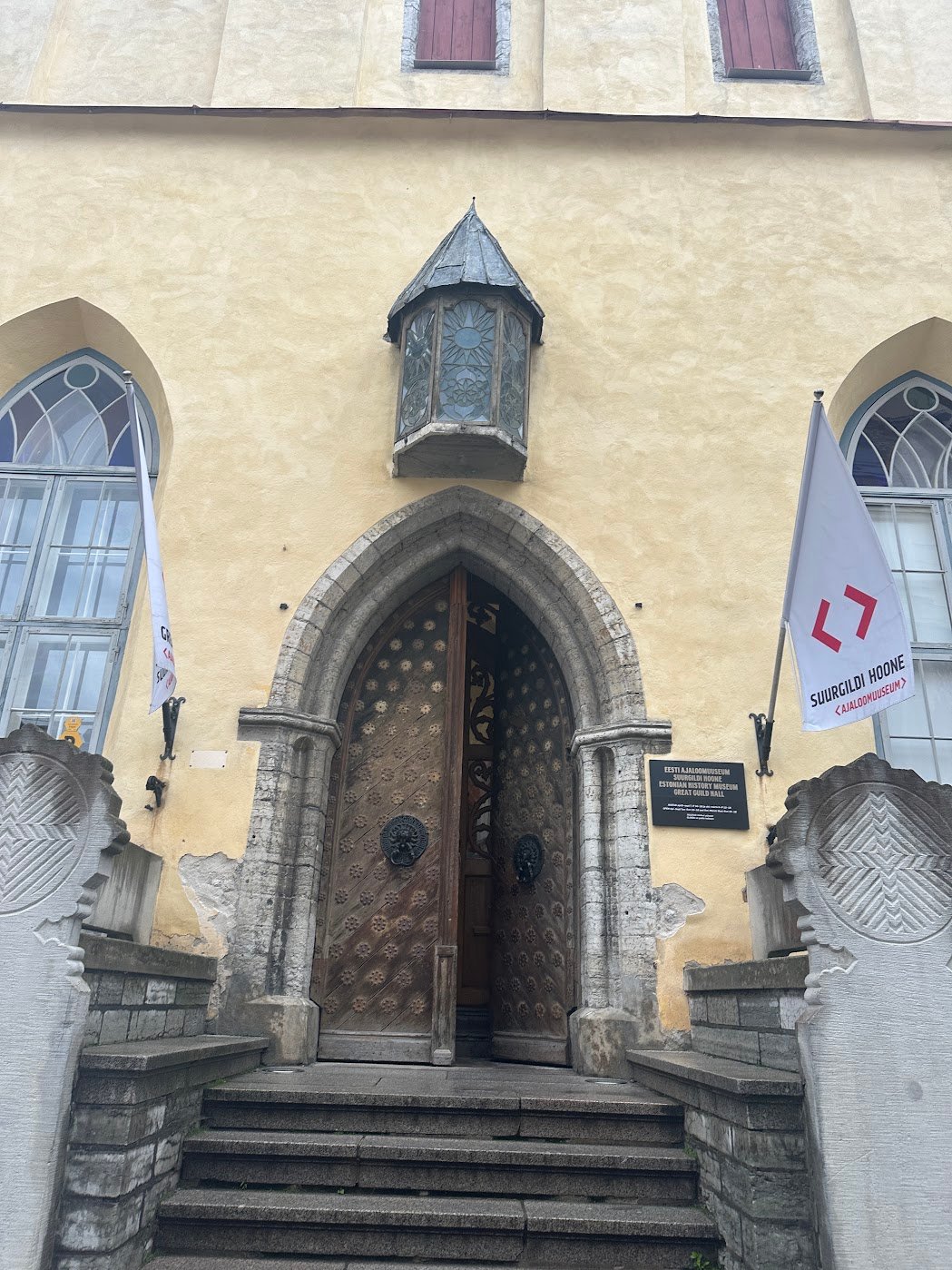
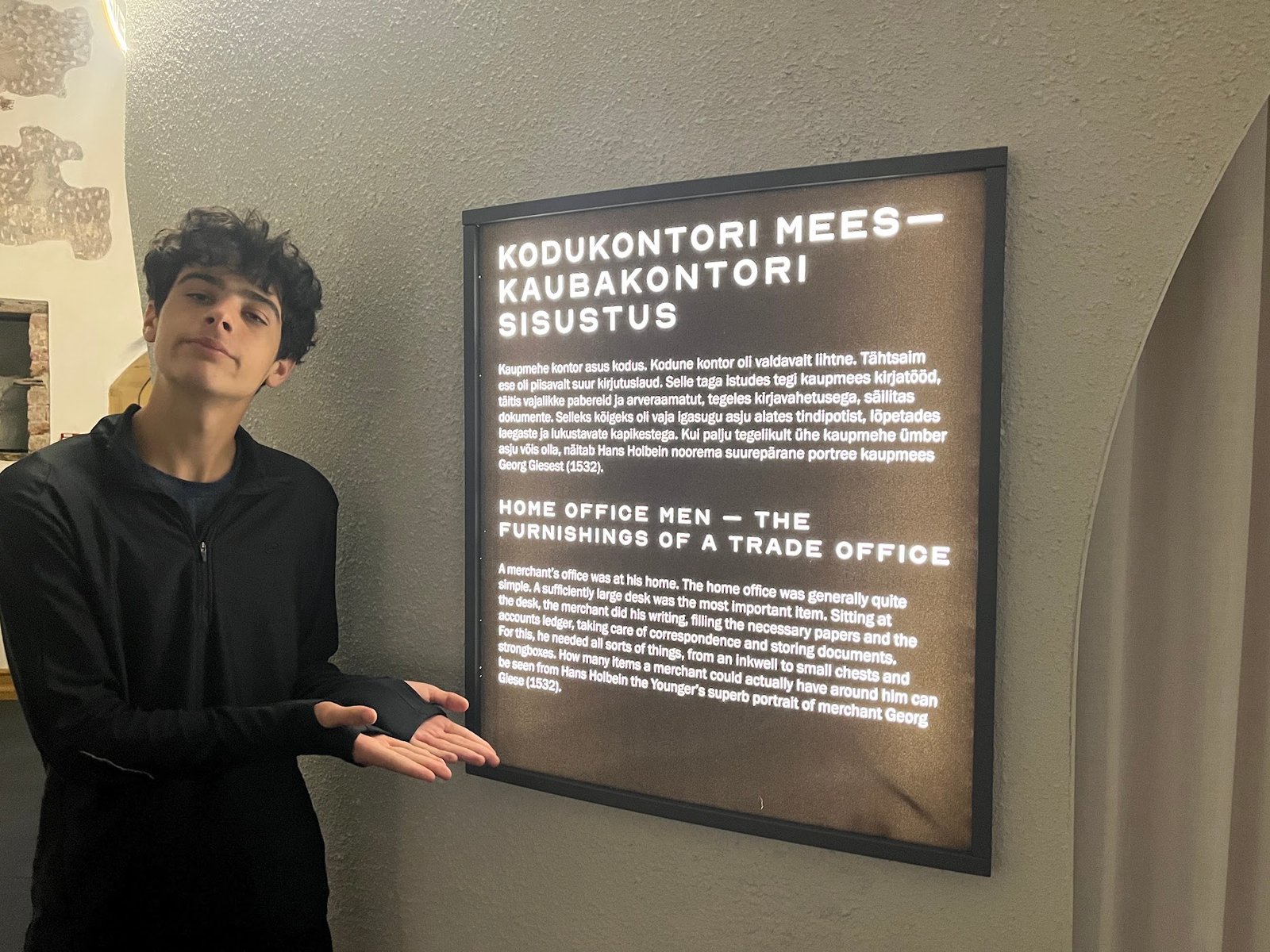
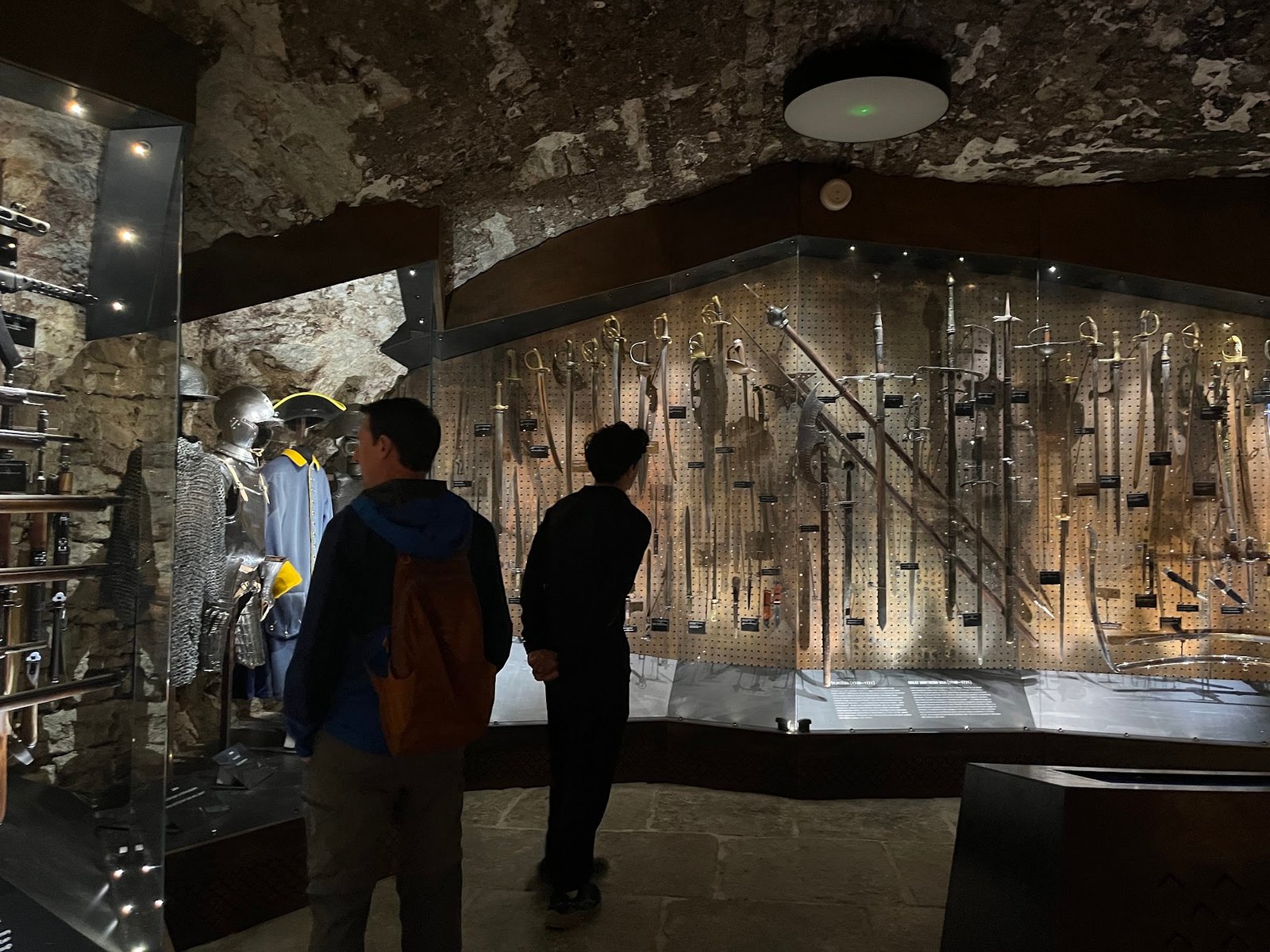
We spent part of our visit learning more about Estonia at the Estonian History Museum. Estonia, like Latvia and Lithuania, has a complicated history shaped by neighboring powers, occupations, and its eventual restoration of independence in 1991.
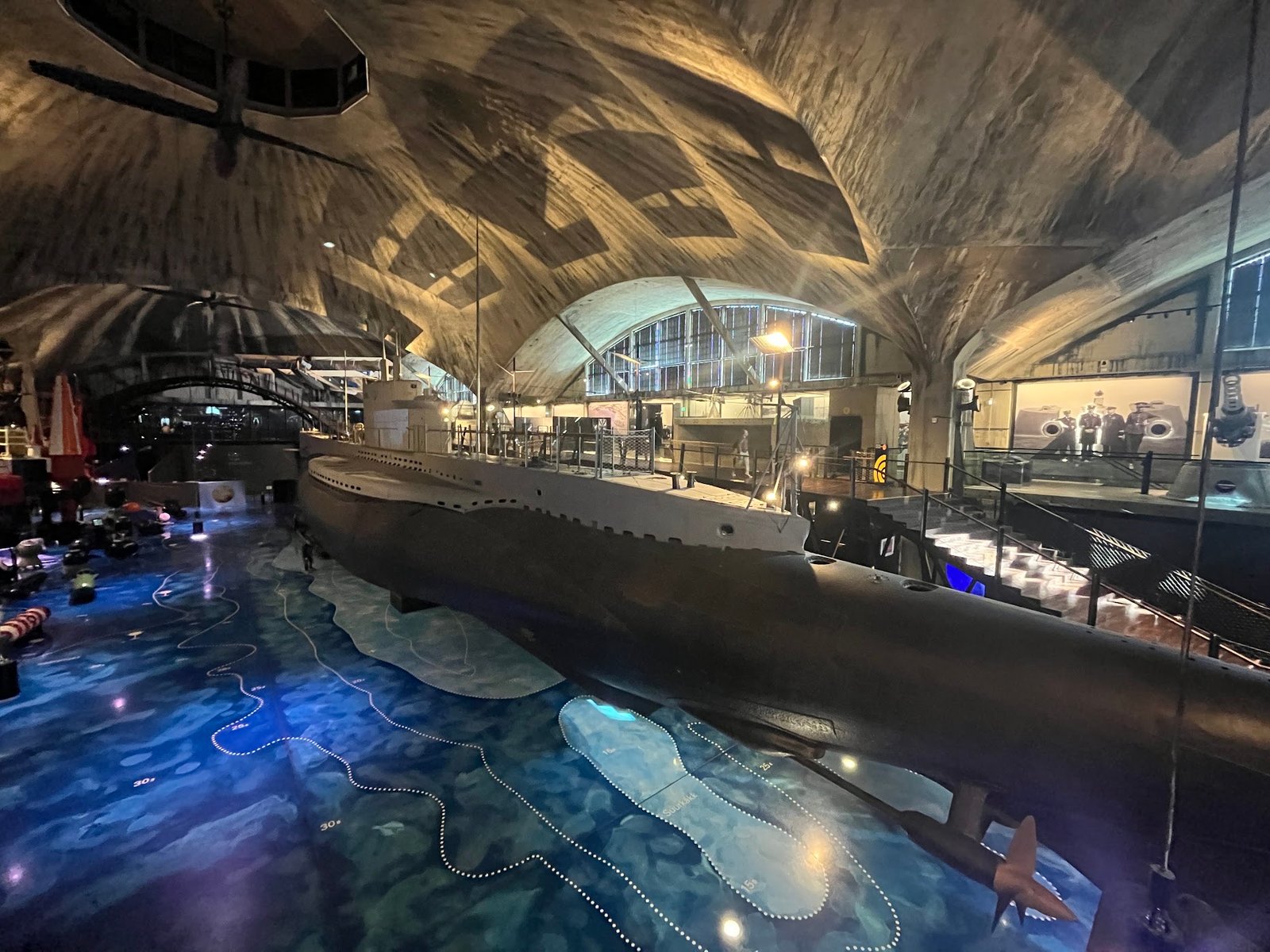
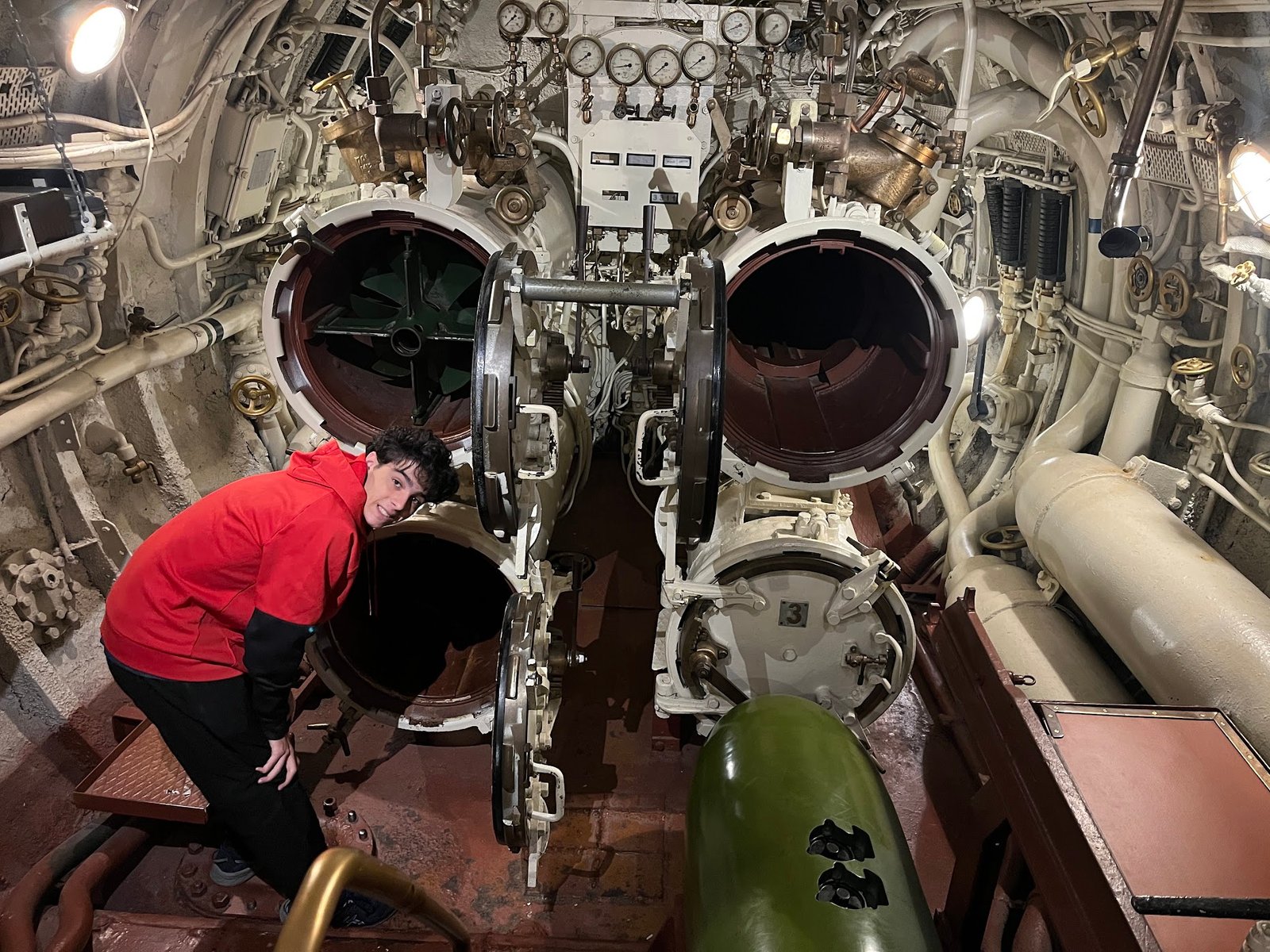
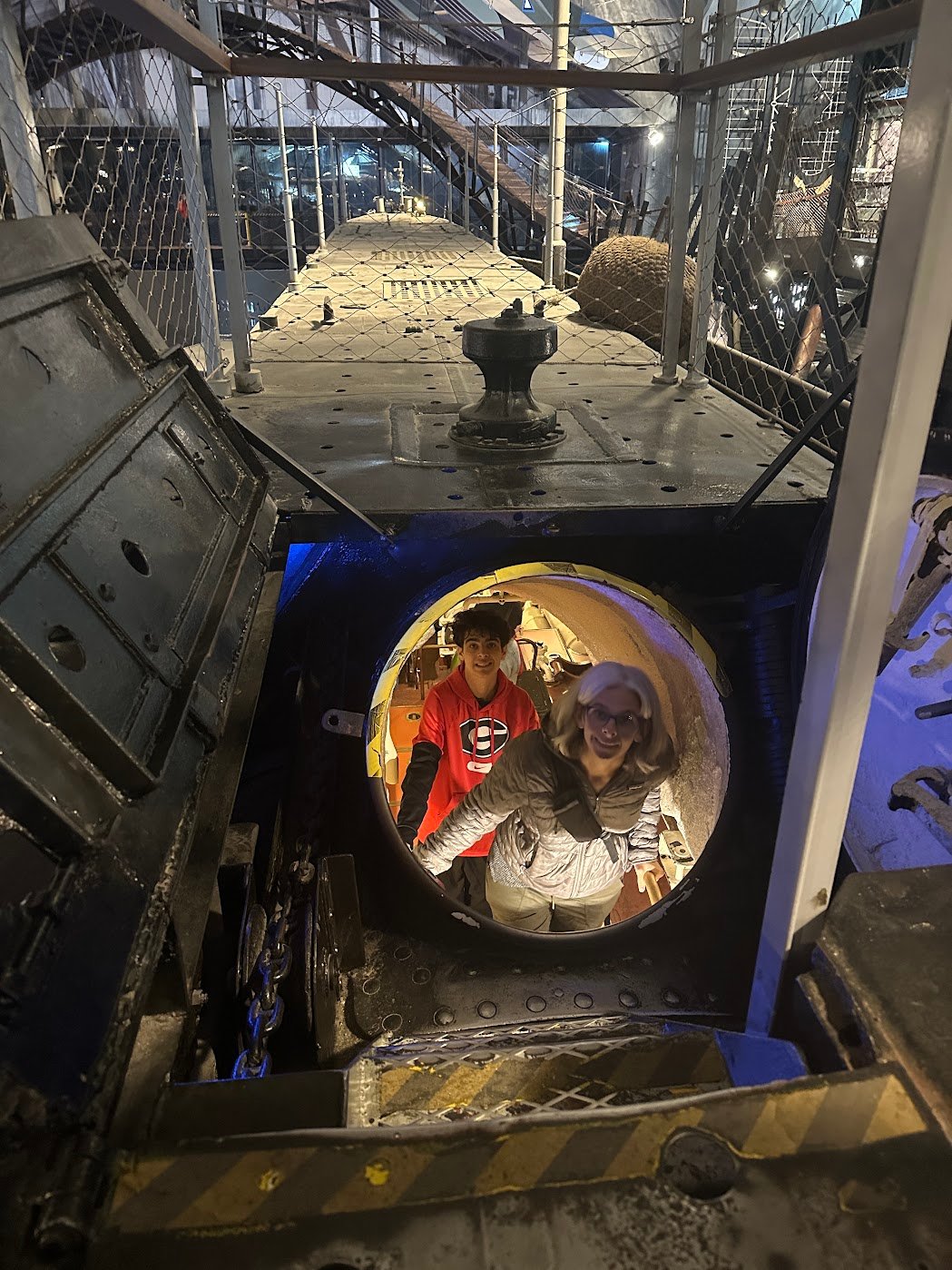
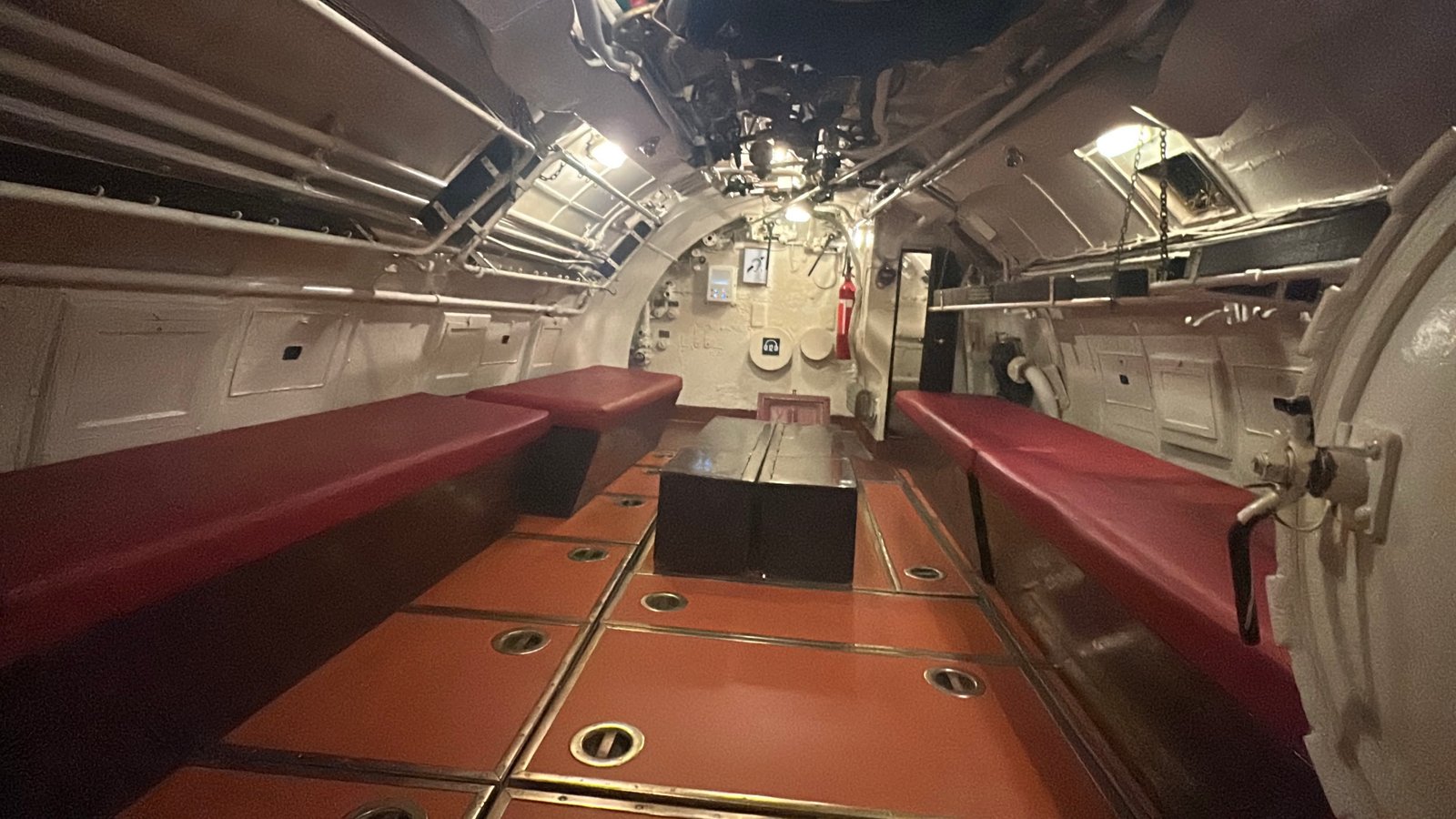
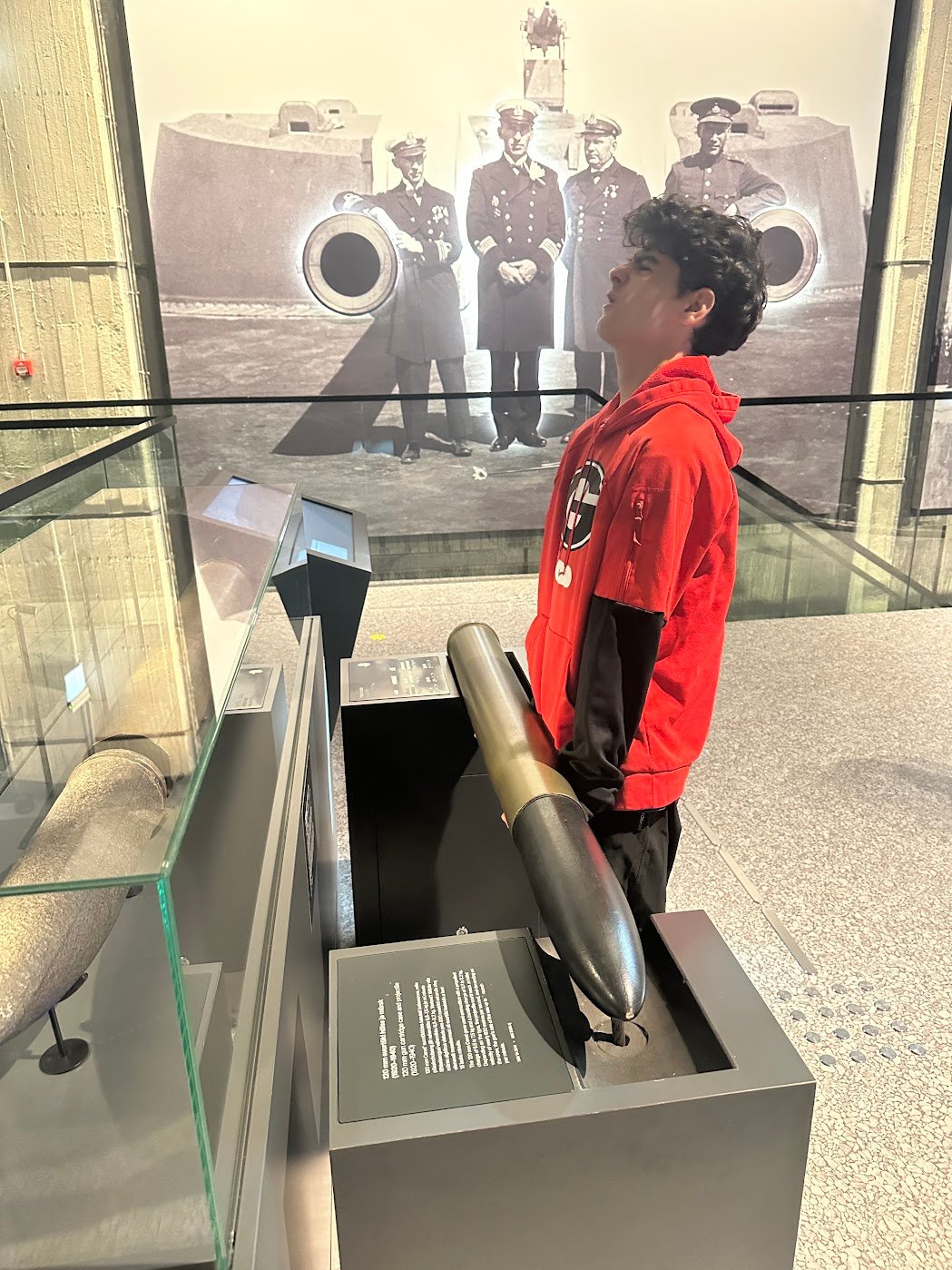
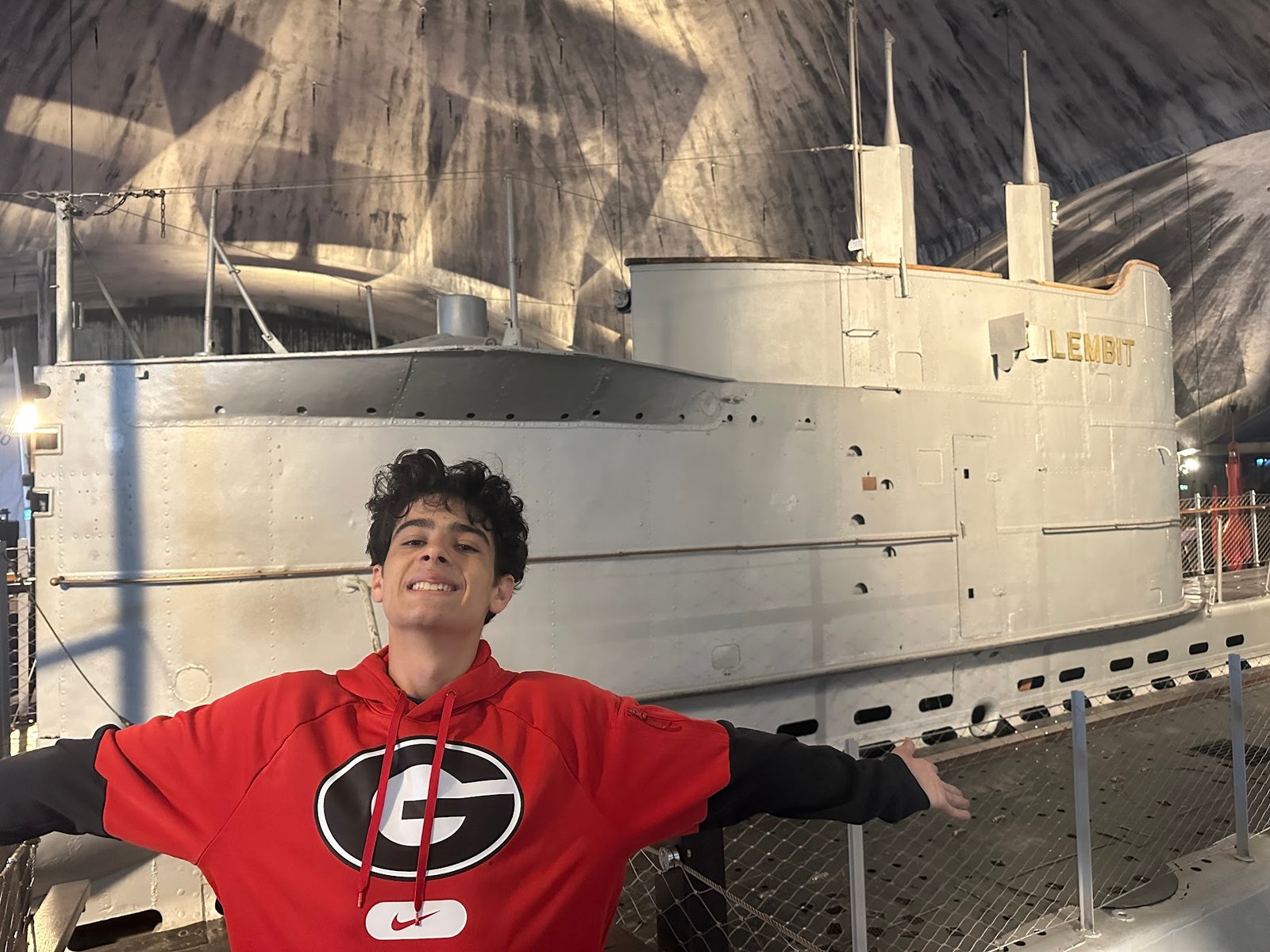
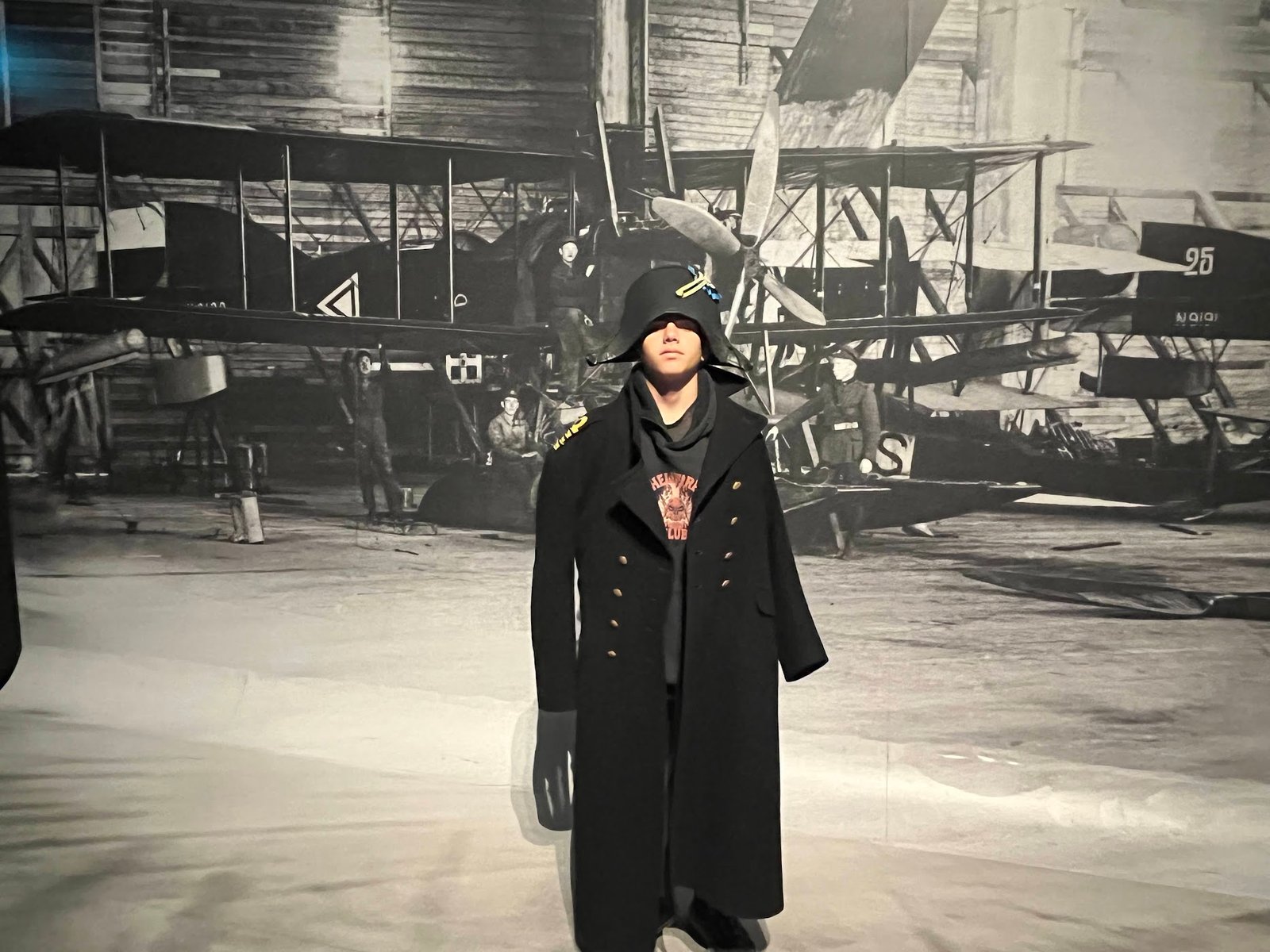
Our next stop was the Estonian Maritime Museum at the Seaplane Harbour. The museum is housed in enormous historic seaplane hangars originally built during World War I. Inside, there are all sorts of maritime exhibits, including boats, aircraft, and other pieces of Estonia’s naval history. A memorable part of the museum was getting to go inside a real submarine! The submarine called Lembit was built in Britain for Estonia in the 1930s. It served in the Estonian Navy before the country was occupied during World War II, and it later became part of the Soviet naval system. Today, visitors can climb aboard and explore its cramped interior. Walking through a real submarine gives you a much better appreciation of what life inside one must have been like. Everything is compact, with narrow passageways and equipment packed into every available space. It’s one thing to see a submarine in a movie and quite another to stand inside one and realize just how little room there is.
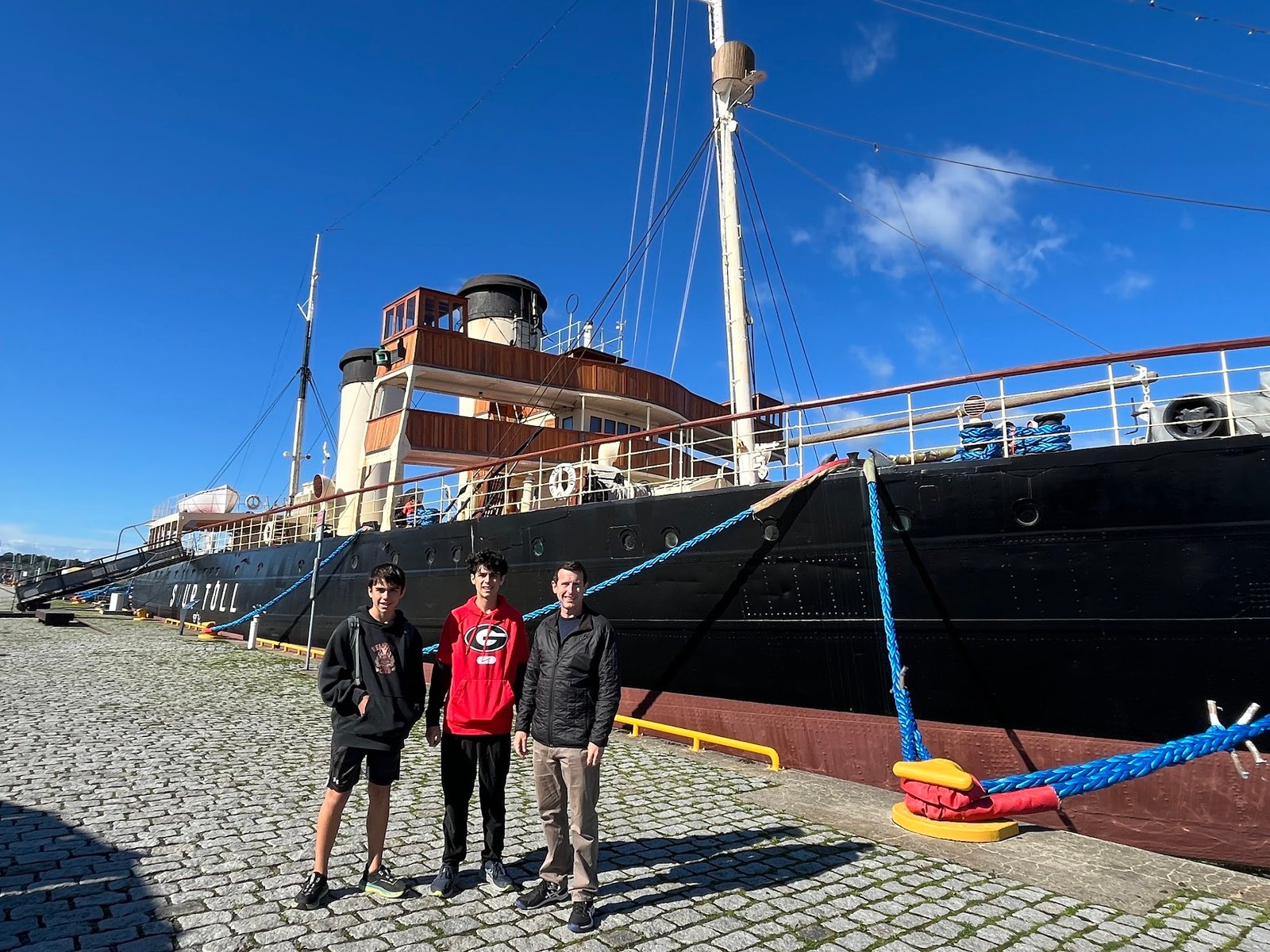
Outside, we also saw historic vessels floating in the harbor. One of the museum’s most famous ships is Suur Tõll, a steam-powered icebreaker dating to the early twentieth century. Icebreakers are designed to push through frozen water and keep shipping routes open, an especially important job in the Baltic Sea during winter. Suur Tõll was originally built for the Russian Empire and later served Finland before becoming part of Estonia’s maritime history.
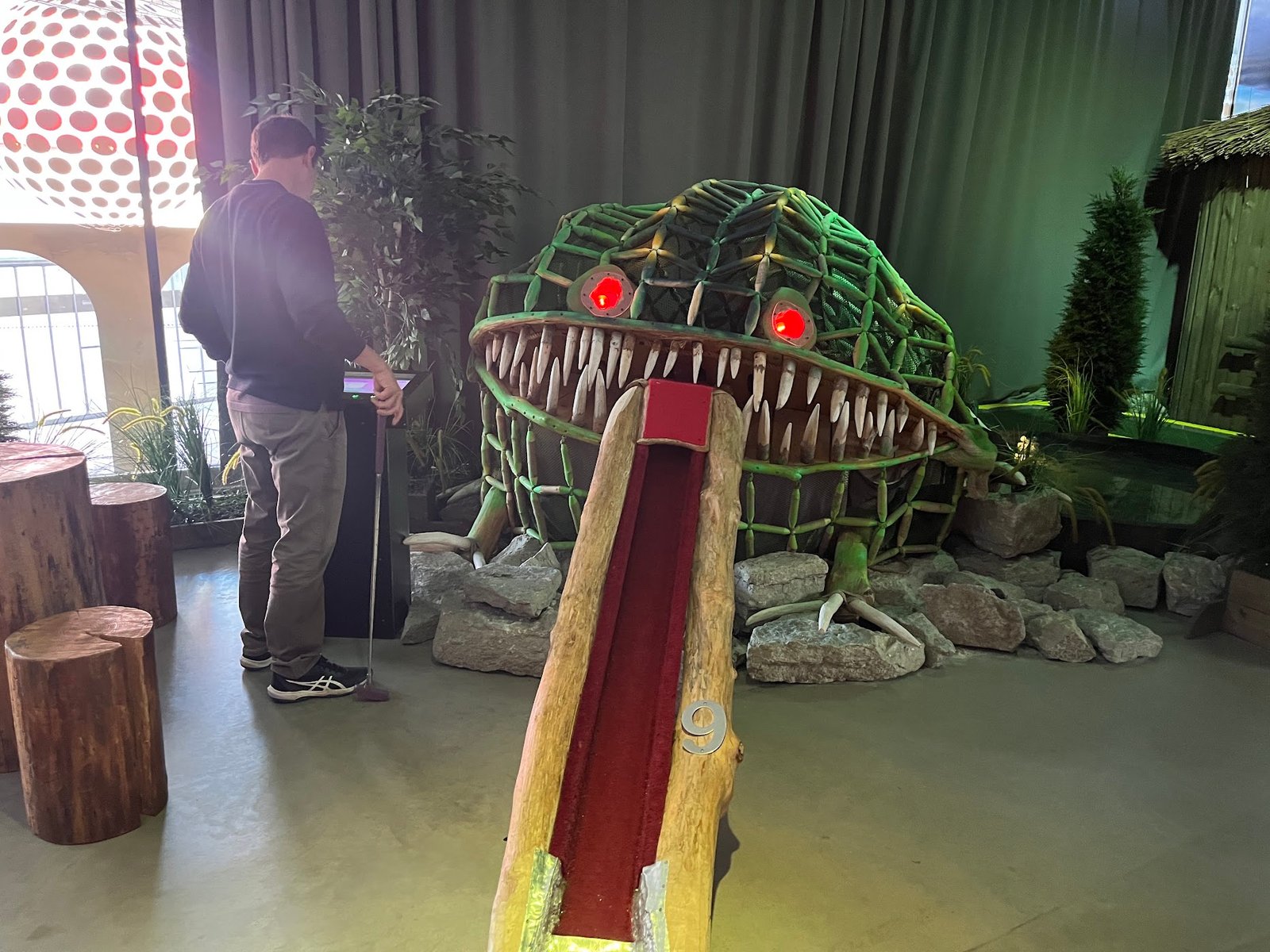
We threw in a little fun after learning about the country’s heavy history. We found a mini-golf experience that was a little different from the usual brightly colored windmills and generic obstacles. Instead of a standard course, the holes were inspired by actual places and landmarks in Estonia. Each one had its own design, turning the game into a sort of miniature tour of the country.
It was too short a visit, but we got an interesting glimpse of Tallinn.