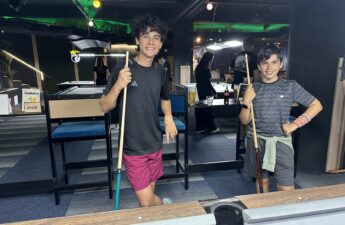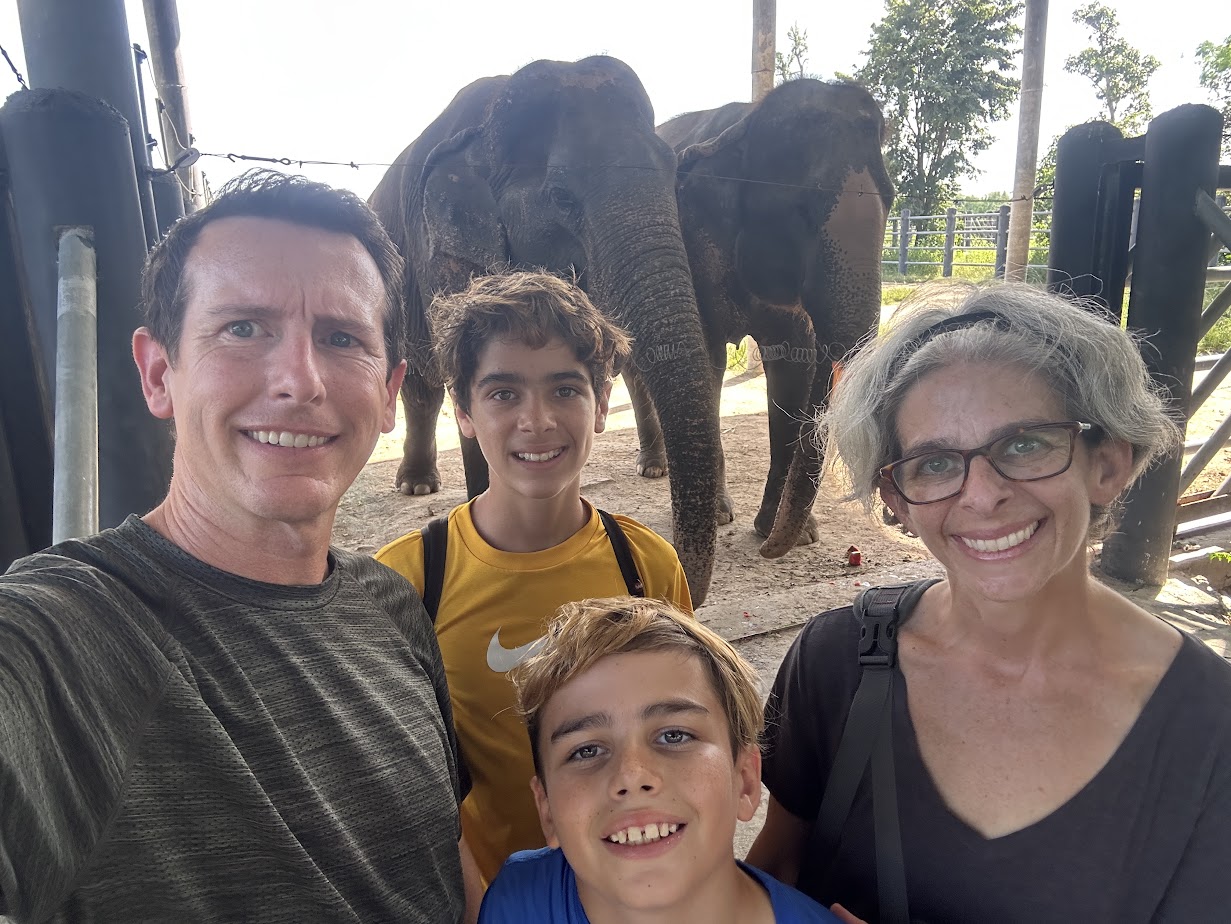
From the outside, worldschooling can look like a never-ending vacation. Beaches, new cities, cultural experiences, smiling kids in interesting places. And yes—there is a lot of beauty and joy in this life. However, the truth is that worldschooling is not a permanent holiday. It’s a constant adventure, and adventure almost always comes with discomfort, uncertainty, and a whole lot of work.
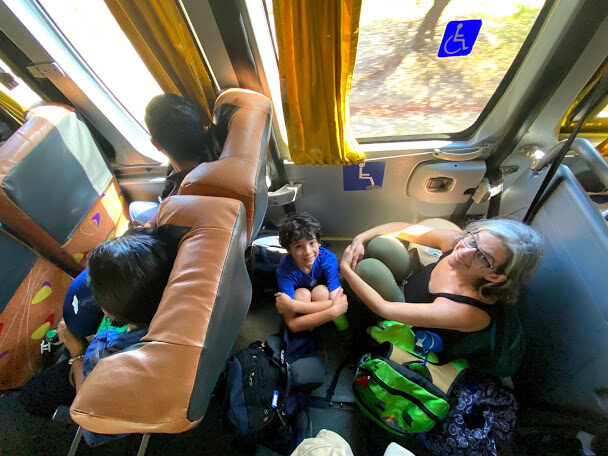
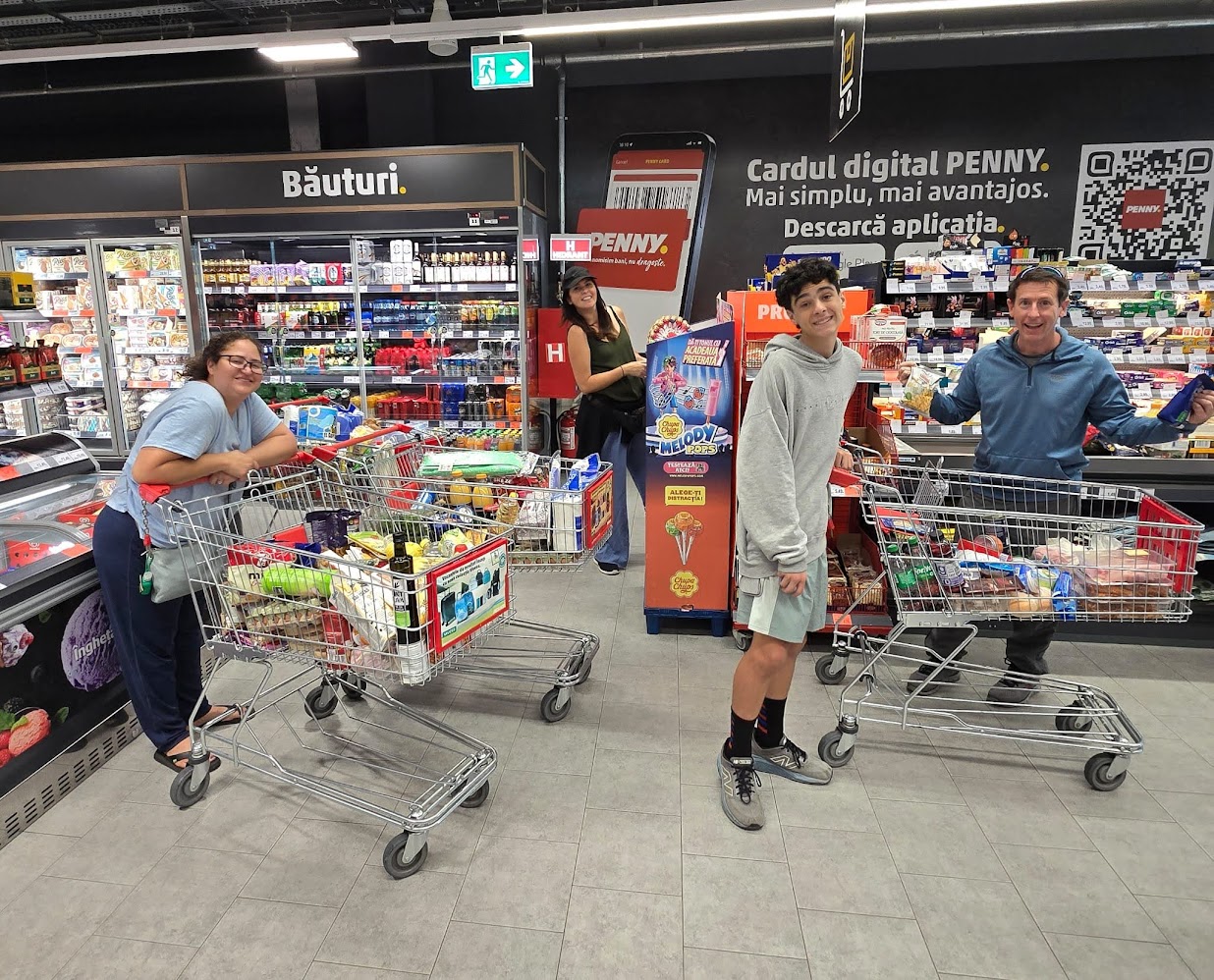
Our days aren’t just spent exploring. They’re spent planning. Researching visas, neighborhoods, transportation, housing, healthcare, internet reliability, and school rhythms. We’re always figuring out our next move while still trying to stay present where we are. Just when we start to feel settled, it’s time to pack up again and learn a whole new city—how it works, where to buy groceries, how to get around, what feels safe, and where we feel at home.
Plans don’t always work out the way we expect. Apartments fall through. Political climates change. Weather surprises us. Schedules shift. We’ve learned—sometimes the hard way—that flexibility isn’t optional in this lifestyle. It’s essential. There are uncomfortable moments and frustrating days. Are there times when we wonder if it would be easier to stay put because it would be easier? Honestly, no. This life asks a lot of us, but it also gives back so much.
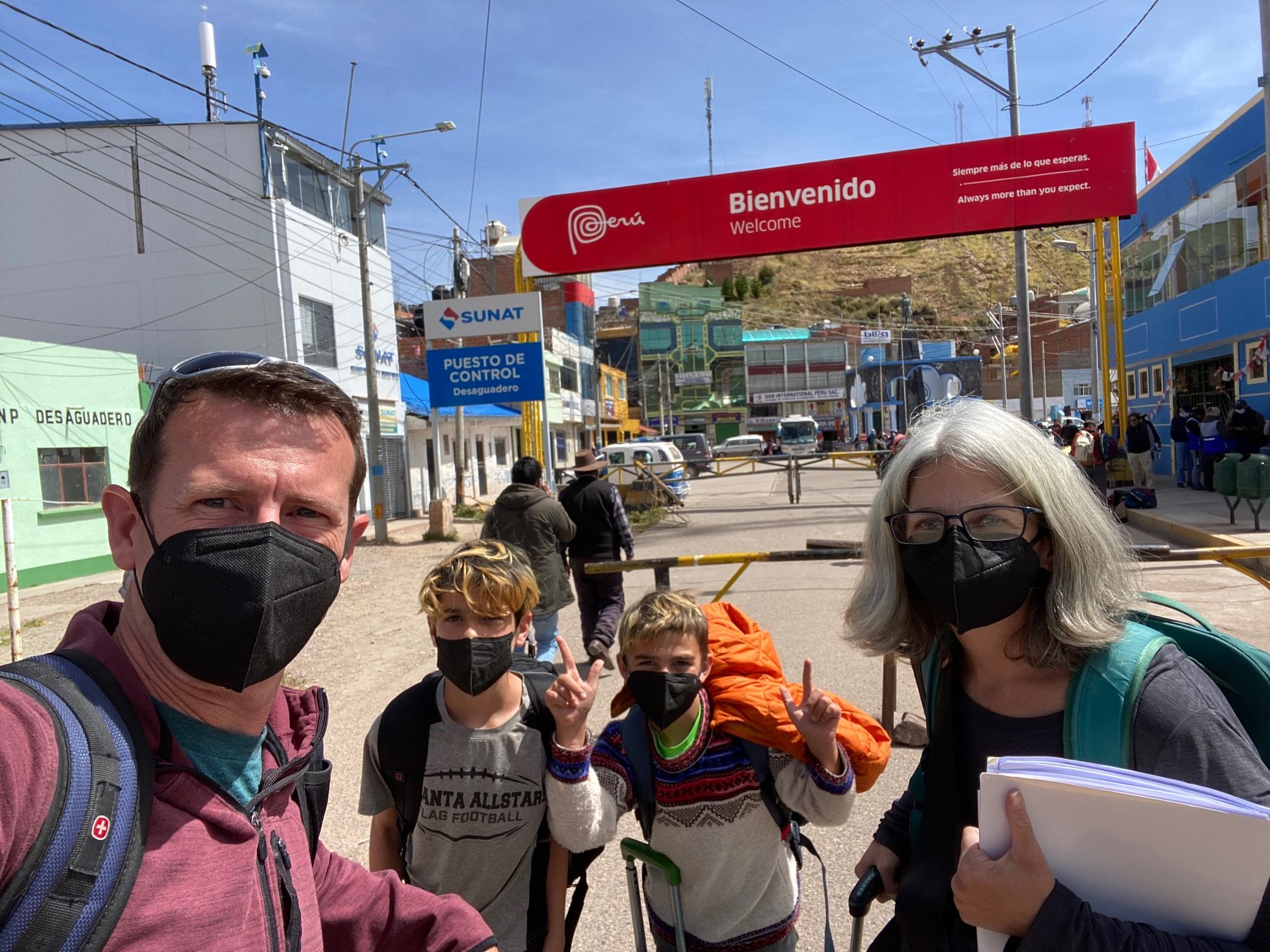
Worldschooling has shaped our kids in ways that are especially noticeable when we compare their experiences to those of children in traditional school settings. Without the constant pressure of popularity, social hierarchies, or fitting into a specific mold, our kids move through the world differently. They aren’t worried about being “cool,” keeping up appearances, or where they land on a social ladder. There are no cafeteria politics or classroom cliques shaping how they see themselves.
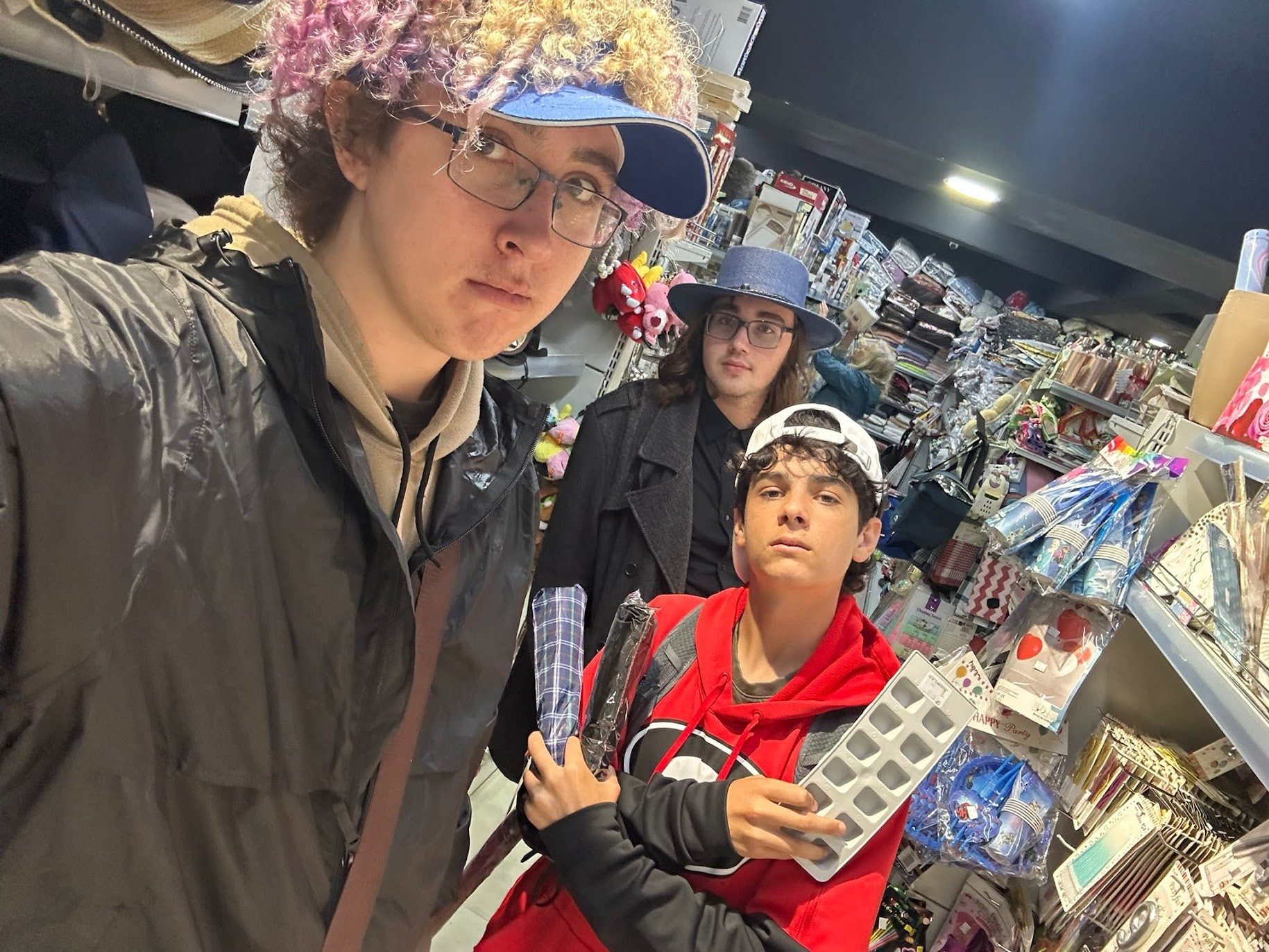
Instead, they connect with people based on curiosity and kindness. They’re comfortable talking to adults, younger kids, and peers alike because their social world isn’t limited to a single age group or building. They’ve learned to be themselves without the constant comparison that often comes with school culture. There’s less cattiness, less self-consciousness, and more authenticity.
Being outside the traditional school system has given them space to grow at their own pace. Learning feels purposeful rather than performative. Their confidence comes from navigating real situations—finding their way in a new city, communicating across cultures, adapting when plans change—not from grades or social approval. This lifestyle hasn’t just changed where they learn, but also how they relate to others and to themselves. They’re grounded, open, and secure in who they are, shaped by experiences and relationships rather than trends or peer pressure.
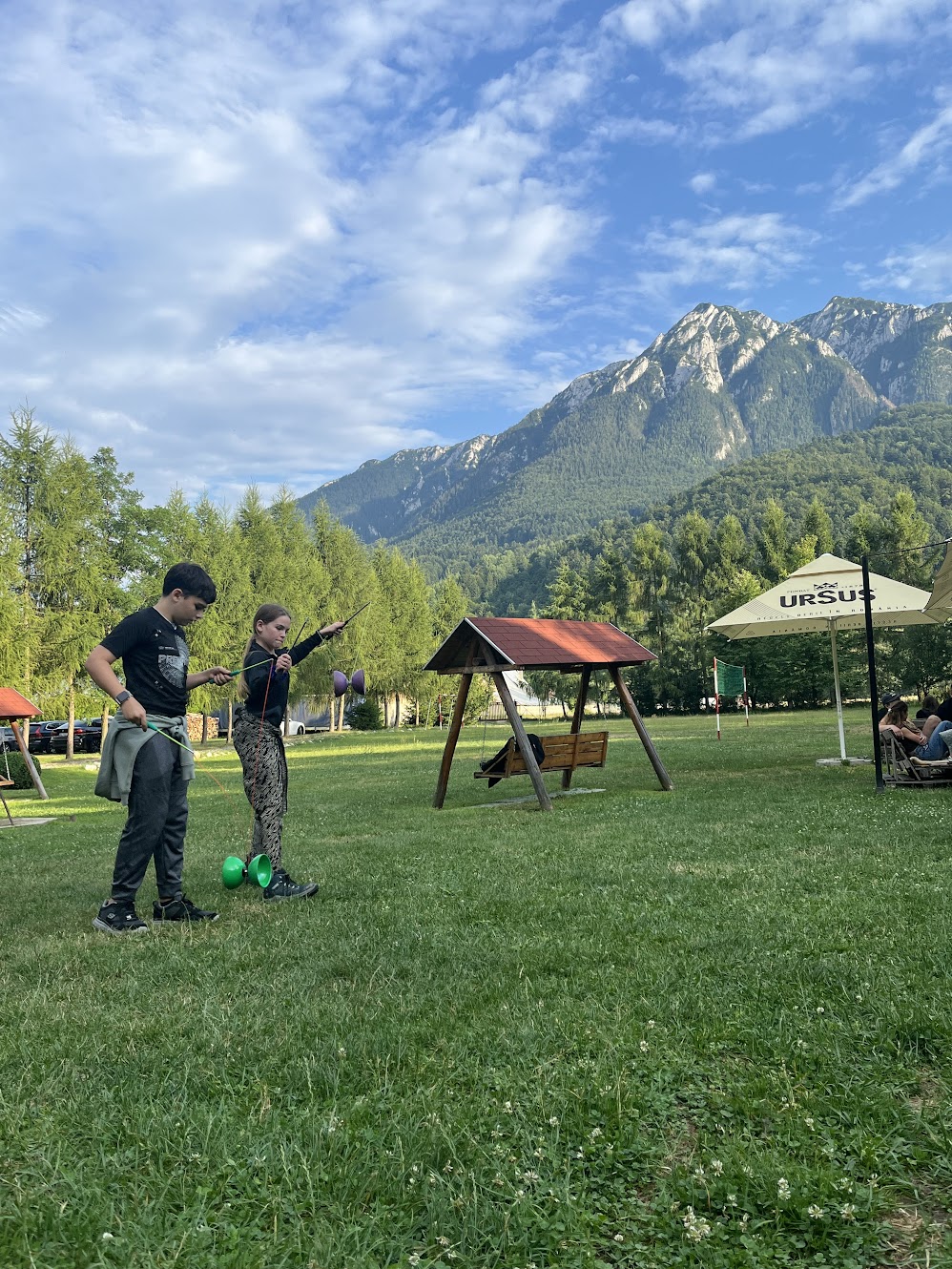
One of the biggest misconceptions about worldschooling is that it means giving up long-term friendships. In our experience, the opposite has been true. The friendships we’ve built through this lifestyle are often deeper and more intentional than the ones we had when we stayed in one place. When you live this way, relationships aren’t based on convenience or proximity—they’re built on shared values, trust, and meaningful time spent together.
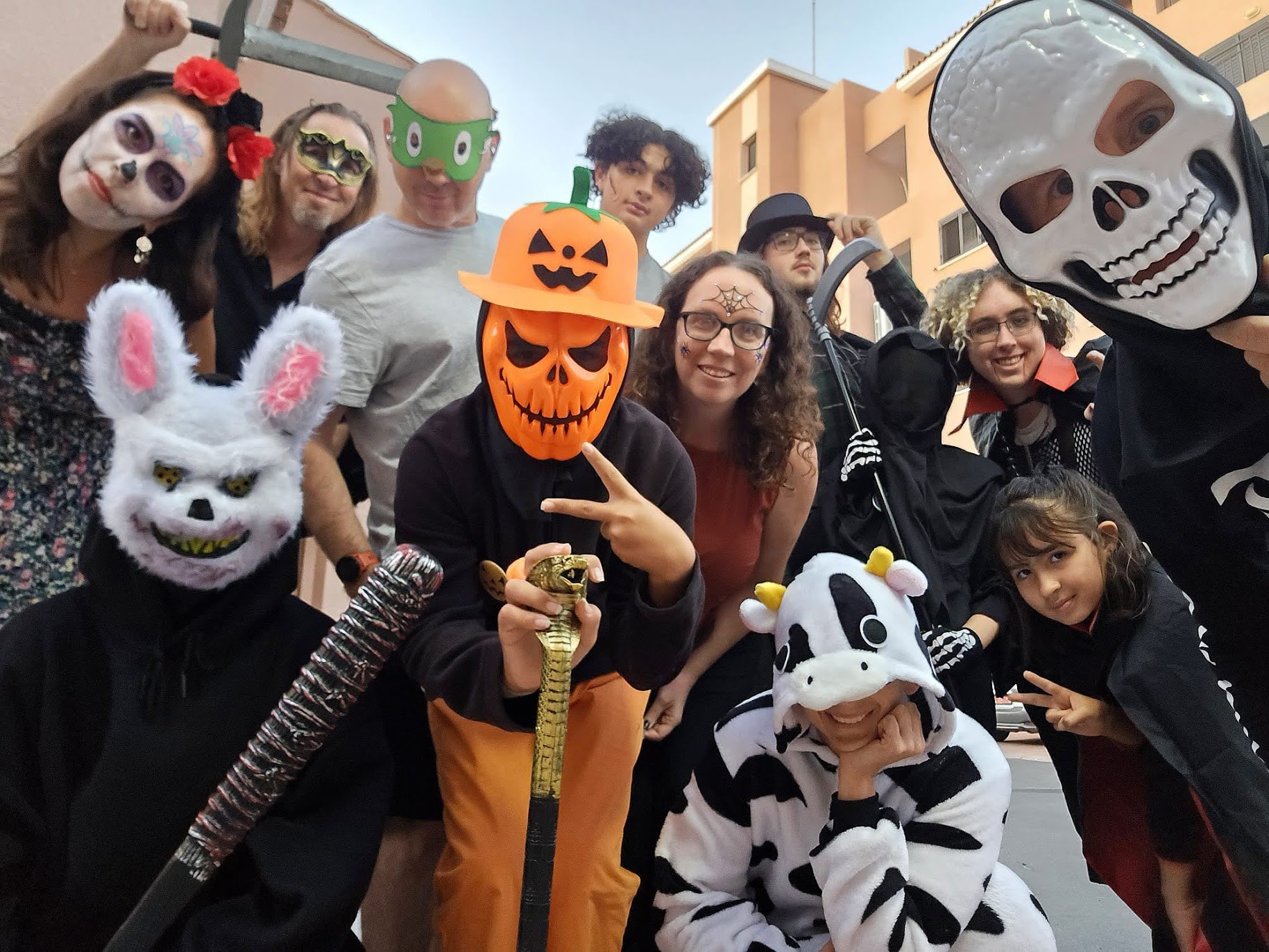
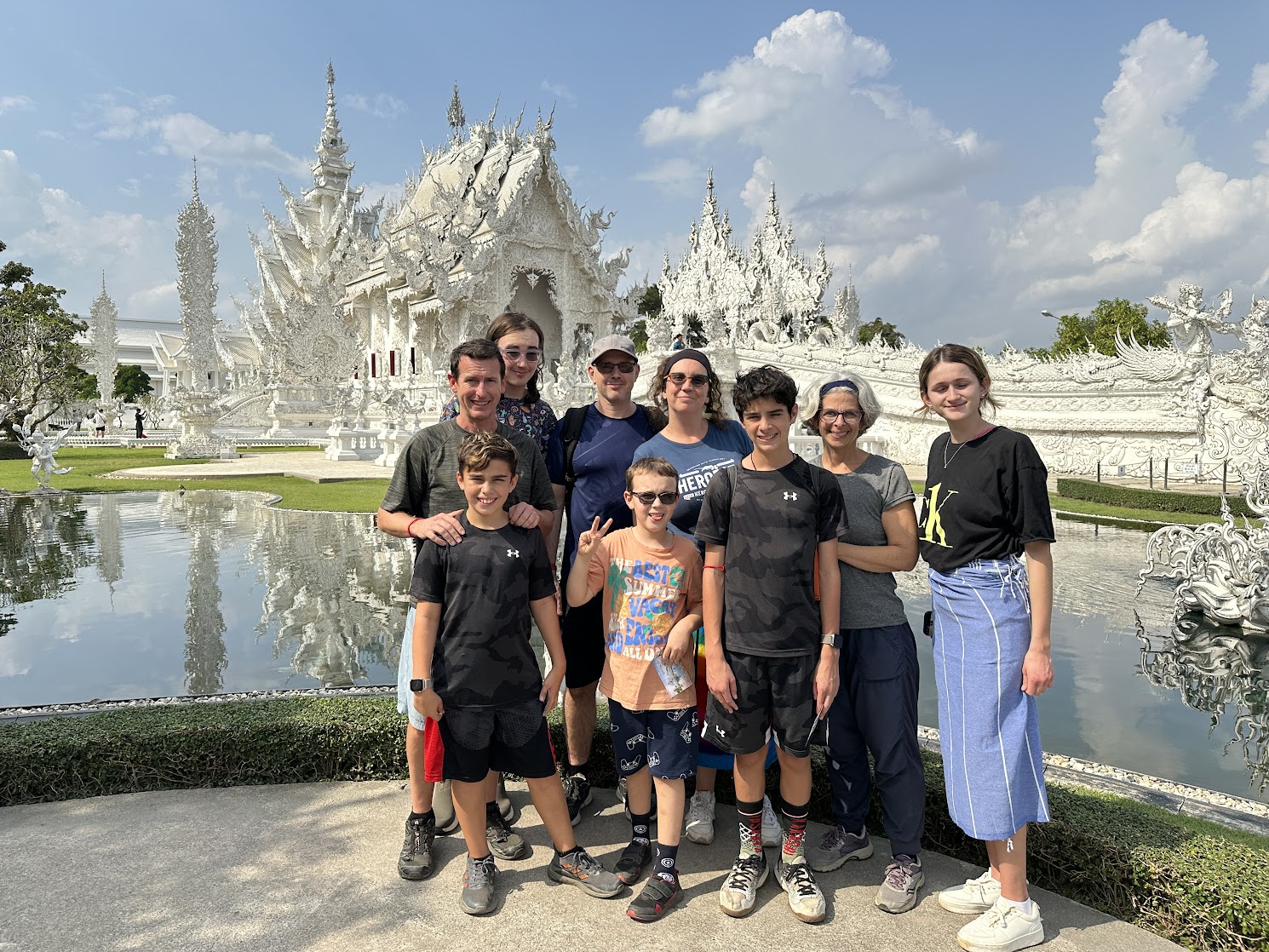
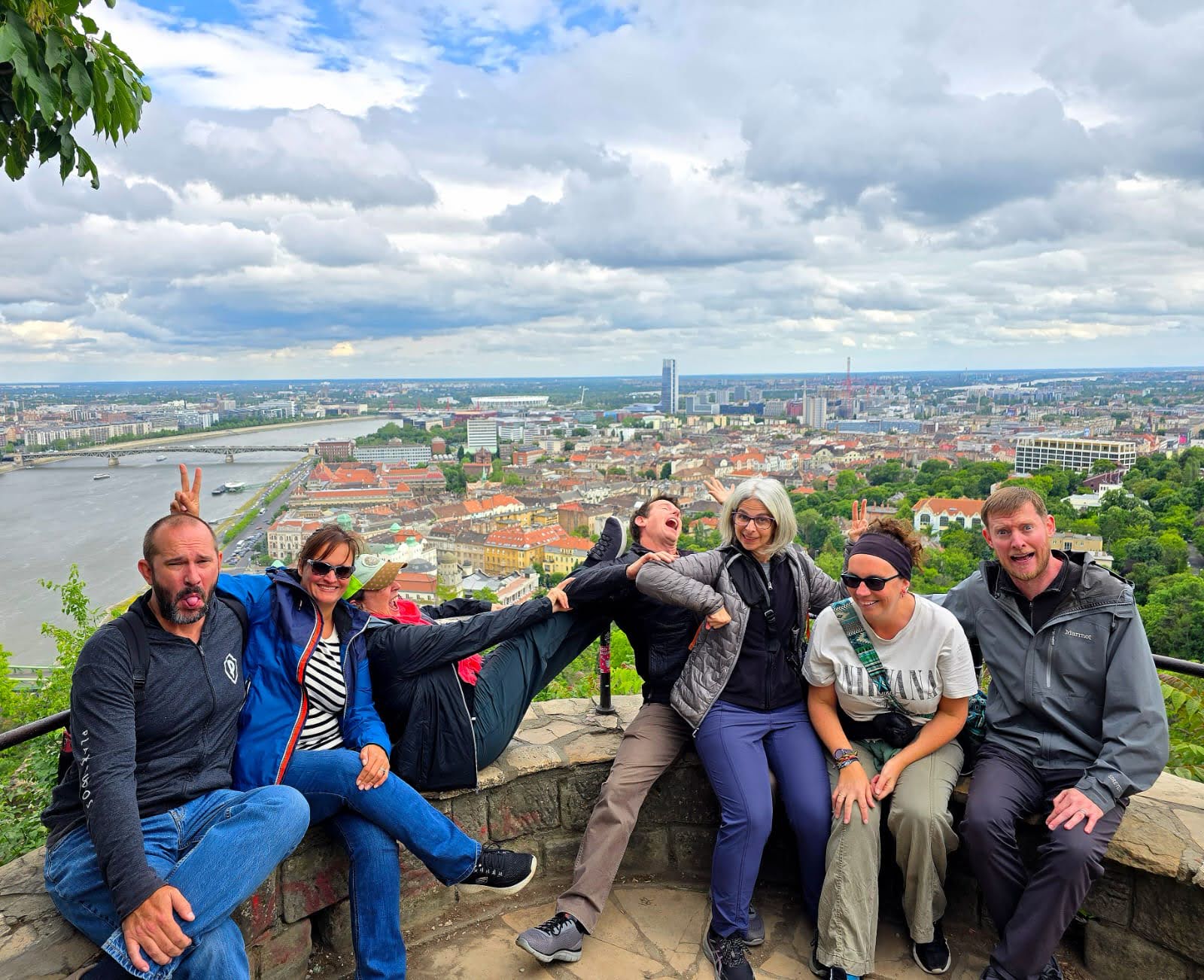
Our kids have long-term friendships that stretch across countries and time zones. They learn how to stay connected, how to show up for people even when they’re not physically close, and how to pick up right where they left off. These relationships aren’t shallow or fleeting; they’re rooted in real experiences lived together—traveling, learning, adapting, and growing side by side.
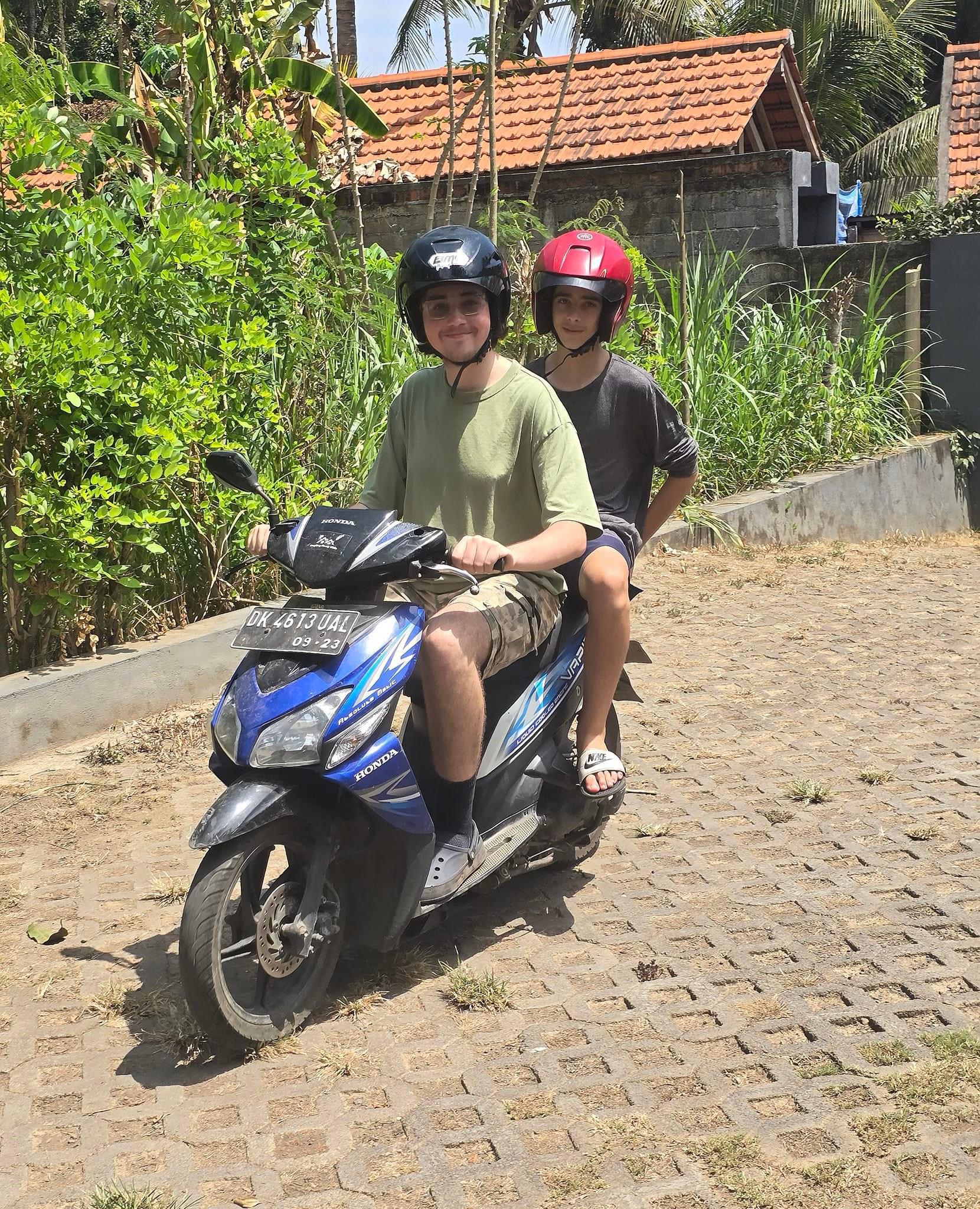
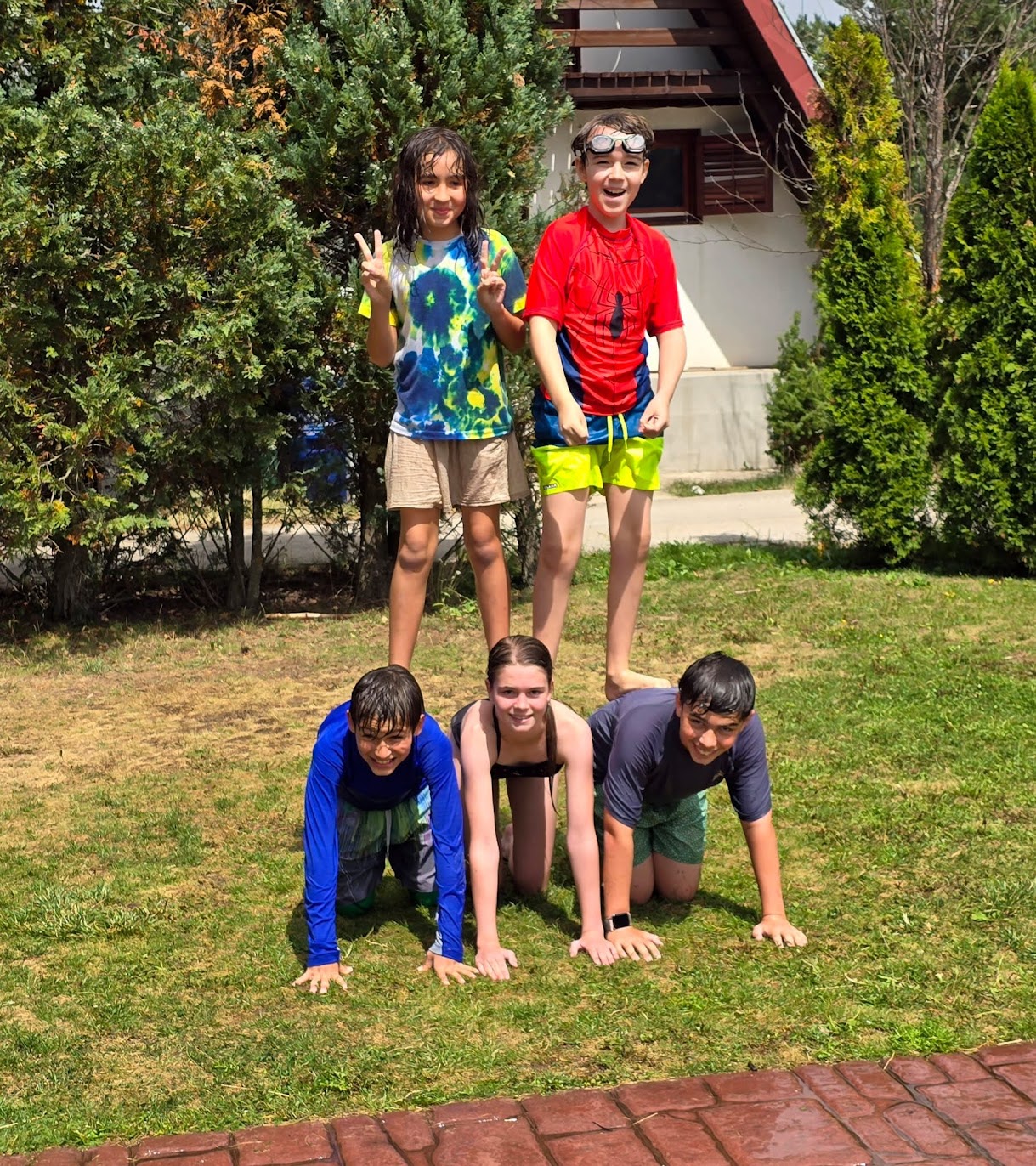
Worldschooling has taught all of us that a deep connection doesn’t require staying in one place. It requires presence, effort, and a willingness to invest in people. And in many ways, the friendships we have now feel richer, more authentic, and more aligned than the ones we left behind. Worldschooling is challenging. It’s tiring. It requires constant effort, patience, and intentionality. But it’s also rewarding. We’re growing alongside our kids, learning with them, and watching them become resilient, thoughtful humans shaped by the world rather than confined by it.
This isn’t the easy path—but for us, it’s the right one.